
Hydraulic system
Cylinder block
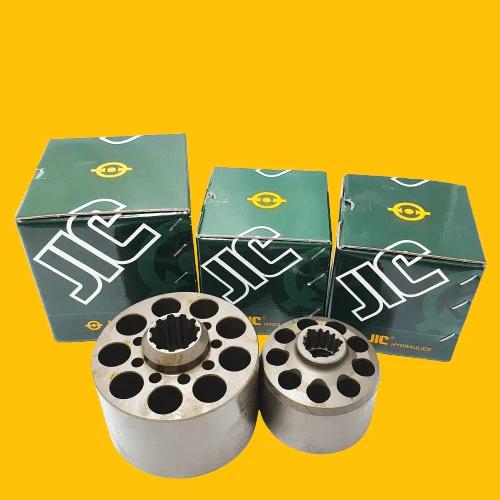
Cylinder block for the common construction-machinery hydraulic pump series.
Quick answer
Cylinder block: what is it?
The cylinder block is the rotating barrel that carries every piston: the pistons pump oil inside its bores while the back face of the block spins against the valve plate. Once the bores or the kidney-port face wear, oil leaks internally and pressure drops away as soon as the oil gets hot.
- Authorized JIC Hydraulics distributor
- Nationwide delivery · HCMC warehouse
- Wholesale and retail
- Fitment confirmed before we quote
The cylinder block is the reference part when you build a rotary set: fitters read its code and condition first, then match the pistons, shoe plate and valve plate to it. This spinning barrel takes both the piston load and the friction against the valve plate, so its two weak zones are the piston bores and the kidney-port face.
How to check a used cylinder block
- Light each bore and look for length-wise scratches or a wear step where the piston reverses
- Lay the kidney face on a flat plate and check for pitting, scoring or a dished hollow
- Inspect the pressed-in bronze bushes for lifting, flaking or heat discoloration
- Feel each piston's play in its bore; loose by hand means the clearance is gone
- Examine the internal spline that drives off the shaft for wear or peened edges
A worn kidney face lets oil cross between the high-pressure and return sides, so the pump runs hot and loses pressure under load. Việt Trung Hải matches by pump code and supplies blocks alone or as a full rotary group, genuine parts.
Anatomy
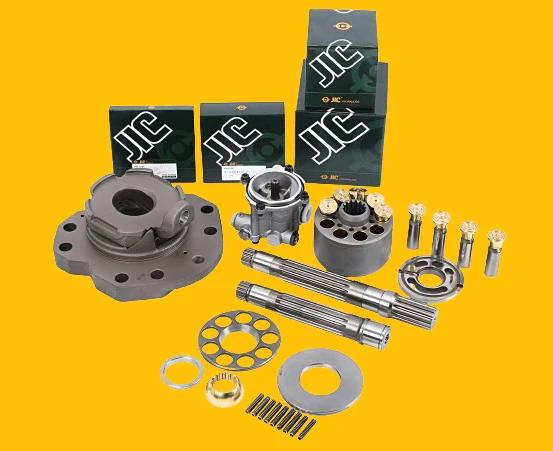
Cylinder block inside the rotary group
The parts inside a piston pump work together to build flow and pressure. Tap any part to explore it and look it up.
Wear signs
When to replace the cylinder block
- Internal leak, pressure drop when hot
- Scoring in the bores or kidney-port face
- Pump won't build full pressure
- Metal particles in the oil
Compatibility
Pump series we supply cylinder block for
| Pump / motor series | Maker | Products |
|---|---|---|
| A8VO | Uchida/Rexroth | 8 products |
| HPV | Komatsu | 8 products |
| A10V | Uchida/Rexroth | 7 products |
| K3V | Kawasaki | 5 products |
| PSV | Kayaba (KYB) | 5 products |
| K5V | Kawasaki | 4 products |
| M2X | Kawasaki | 4 products |
| MSF | Kayaba (KYB) | 4 products |
| DNB | Kawasaki | 2 products |
| MAG | Kayaba (KYB) | 2 products |
| K3SP | Kawasaki | 1 product |
| K7V | Kawasaki | 1 product |
Send the pump code or machine model and we'll confirm the exact fit before quoting.
Cylinder block products
View all 67 products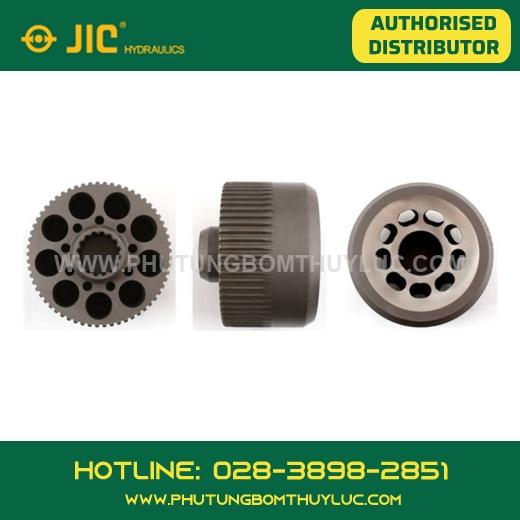 Kawasaki · DNBCylinder block – Kawasaki DNB50DNB50On requestView · get a quote
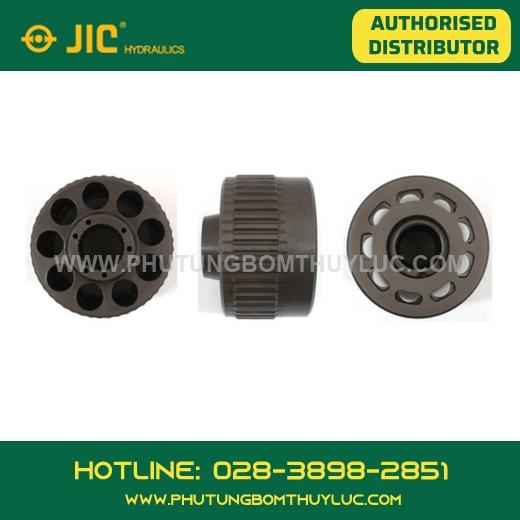 Kawasaki · DNBCylinder block – Kawasaki DNB808DNB808On requestView · get a quote
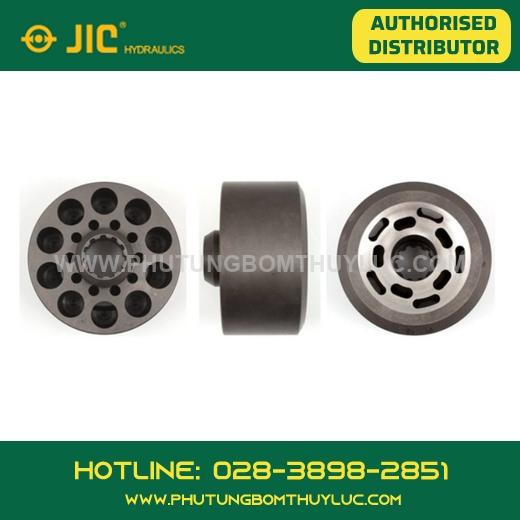 Kawasaki · K3SPCylinder block – Kawasaki K3SP36K3SP36On requestView · get a quote
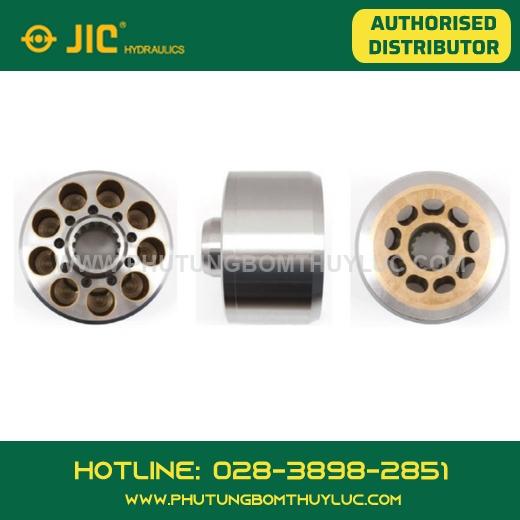 Kawasaki · K3VCylinder block – Kawasaki K3V112DTK3V112DTOn requestView · get a quote
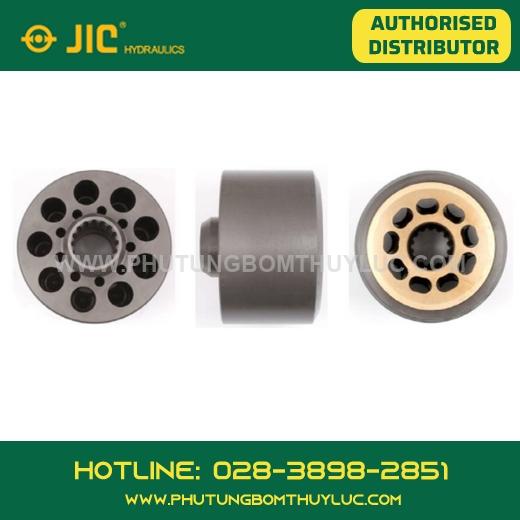 Kawasaki · K3VCylinder block – Kawasaki K3V140DTK3V140DTOn requestView · get a quote
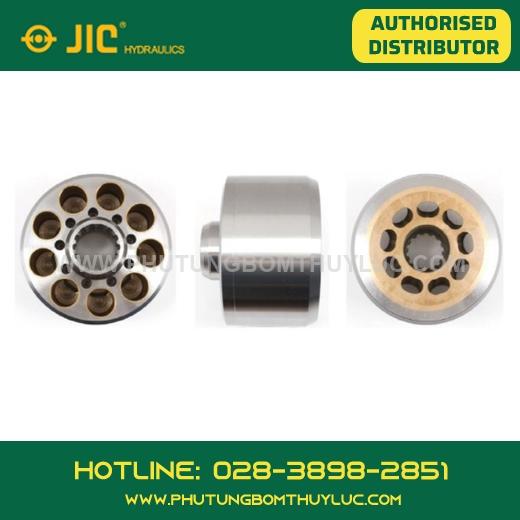 Kawasaki · K3VCylinder block – Kawasaki K3V180DTK3V180DTOn requestView · get a quote
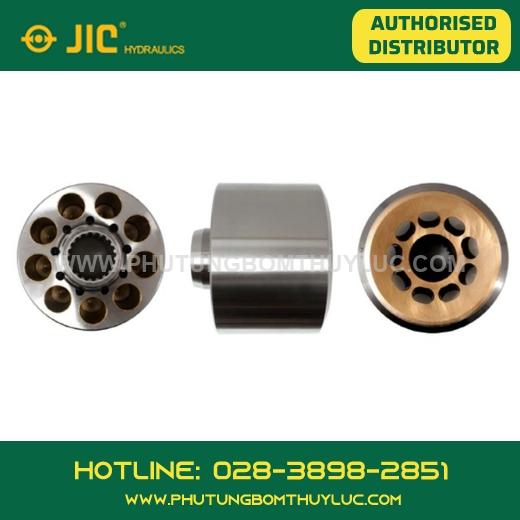 Kawasaki · K3VCylinder block – Kawasaki K3V280DTK3V280DTOn requestView · get a quote
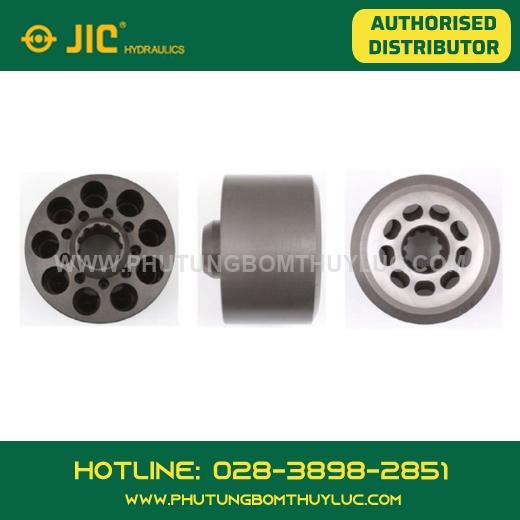 Kawasaki · K3VCylinder block – Kawasaki K3V63DTK3V63DTOn requestView · get a quote
More Cylinder block codes (59)
- Cylinder block – Kawasaki K5V140DT
- Cylinder block – Kawasaki K5V160DT
- Cylinder block – Kawasaki K5V200DT
- Cylinder block – Kawasaki K5V80DT
- Cylinder block – Kawasaki K7V63DT
- Cylinder block – Kawasaki KVC925
- Cylinder block – Kawasaki KVC932
- Cylinder block – Kawasaki M2X120
- Cylinder block – Kawasaki M2X146
- Cylinder block – Kawasaki M2X150
- Cylinder block – Kawasaki M2X170
- Cylinder block – Kawasaki MX173
- Cylinder block – Kawasaki MX750
- Cylinder block – Kawasaki MX80
- Cylinder block – Kawasaki NV111DT
- Cylinder block – Kawasaki NV137DT
- Cylinder block – Kawasaki NV172DT
- Cylinder block – Kawasaki NV270
- Cylinder block – Kawasaki NV64DT
- Cylinder block – Kawasaki NV84DT
- Cylinder block – Kawasaki NVK45DT
- Cylinder block – Kayaba MAG150
- Cylinder block – Kayaba MAG170
- Cylinder block – Kayaba MSF340
- Cylinder block – Kayaba MSF52P
- Cylinder block – Kayaba MSF59P
- Cylinder block – Kayaba MSF89
- Cylinder block – Kayaba PSV2 55T
- Cylinder block – Kayaba PSV2 60T
- Cylinder block – Kayaba PSV2 63T
- Cylinder block – Kayaba PSVD2-17
- Cylinder block – Kayaba PSVD2-21
- Cylinder block – Komatsu HPV132
- Cylinder block – Komatsu HPV140
- Cylinder block – Komatsu HPV160
- Cylinder block – Komatsu HPV35
- Cylinder block – Komatsu HPV55
- Cylinder block – Komatsu HPV75
- Cylinder block – Komatsu HPV90
- Cylinder block – Komatsu HPV95
- Cylinder block – Komatsu KMF090
- Cylinder block – Rexroth A10V40
- Cylinder block – Rexroth A10V43
- Cylinder block – Rexroth A10V45
- Cylinder block – Rexroth A10V71
- Cylinder block – Rexroth A10VD17
- Cylinder block – Rexroth A10VD43
- Cylinder block – Rexroth A10VO28
- Cylinder block – Rexroth A7VO250
- Cylinder block – Rexroth A8V107
- Cylinder block – Rexroth A8V55
- Cylinder block – Rexroth A8V80
- Cylinder block – Rexroth A8V86
- Cylinder block – Rexroth A8VO107
- Cylinder block – Rexroth A8VO160
- Cylinder block – Rexroth A8VO200
- Cylinder block – Rexroth A8VO55
- Cylinder block – Uchida AP2D25
- Cylinder block – Uchida AP2D36
Technical handbook
Related guides
Find it
Order the exact part
Pick whichever suits you — our team confirms fitment, then quotes.
By part number
Send the number stamped on the old part for the exact match.
By machine model
e.g. Komatsu PC200-8, Hitachi ZX200 — send the model to match.
By pump / motor series
e.g. K3V112, A8VO107 — when you know the pump code.
FAQ
Frequently asked questions
Why is the cylinder block treated as the reference part of a rotary group?
Because the pistons, shoe plate and valve plate all seat against the block's bores and face. A good block lets the whole set run tight; a worn one leaks even after you renew the other parts.
What does a worn kidney-port face on the cylinder block cause?
Oil bleeds at the contact with the valve plate, so the pump makes pressure cold but sags and weakens once the oil warms up. Working strong at first then fading is the classic sign.
Can a lightly scored cylinder-block face be lapped?
Faint marks can be lightly lapped flat to restore sealing, but a deep hollow or flaked bore bushes make lapping pointless and the block must be replaced. Over-lapping also throws off piston height.
Can I reuse old pistons in a new cylinder block?
Better not. Old pistons are tapered and bedded to the old bores, so in a new block they leave clearance and the pump won't build pressure. Block and piston set should be renewed as a pair to keep the fit tight.
Get a quote
Need the right part, fast?
Send your machine model and the part you need — we confirm fitment and quote.
- Pump code / plate
- Machine model
- Photo of the old part