Quick answer
An excavator low on power is usually hydraulic, not the engine: a worn main pump, clogged filter, wrong pressure setting, air ingress, or wrong and overheated oil. The right approach is to measure pressure and rule out causes cheap-to-expensive before removing the pump.
An excavator low on power works slowly and lacks force even at full throttle. Many owners blame the engine first, but most low-power cases sit in the hydraulic system. This guide helps you narrow the cause by symptom, diagnose from cheap to expensive, and know when to measure pressure before removing the pump.
What does "excavator low on power" mean?
An excavator low on power means lift, dig, arm-curl and swing are all slow and weak versus normal. Unlike a total loss of power where the machine does almost nothing, low power means it still runs but cannot cope under heavy load. Since every force on an excavator comes from hydraulic oil, a weak machine usually points to the oil path: pump, valve, filter or the oil itself. Getting this right stops you blaming the engine too soon.
8 causes of an excavator low on power
Here are the common causes, ordered cheapest to check first:
- Low or over-age oil: a low level and degraded oil cut pressure and flow.
- Clogged hydraulic or suction filter: a choked flow starves the pump.
- Wrong or thin oil when hot: the wrong viscosity raises internal leakage.
- Air in the suction line: a leaking suction line foams the oil, making the machine weak and jerky.
- Wrong pressure setting or an early-relieving valve: pressure never builds, so force is short.
- Faulty regulator or pilot pump: the pump never reaches full angle, so flow is short.
- Worn main-pump rotary group: internal leakage turns pressure into heat, weakening as it warms.
- Worn swing or travel motor: local weakness in one specific function.
This list shows why you should not pull the pump first: several cheaper causes need ruling out.
Hydraulic or engine? How to tell them apart
A key question before repair: is the machine weak from hydraulics or the engine? If the engine runs strong, holds revs under throttle, and shows no unusual smoke, yet the machine is still weak on the controls, the fault is most likely hydraulic. If the engine bogs down, is hard to start, smokes black, or is weak even at idle, check the engine first. The simple test is to watch and listen to the engine as you throttle up: a healthy engine with a weak machine is almost always a hydraulic problem.
How to diagnose an excavator low on power, step by step
Correct diagnosis rules out causes in order, without guessing:
- Check oil level, colour and smell; black, burnt-smelling or water-laden oil is a bad sign.
- Check and change the filter if over-age; a clogged filter is a cheap but very common cause.
- Check the suction line for leaks, loose clamps or cracked hose letting air in.
- Measure main and pilot pressure with a gauge, against the maker's spec for the model.
- Check the relief valve and regulator before suspecting the rotary group.
- If all is fine yet the machine is weak with hot oil, only then think of a worn rotary group.
This order stops you fitting an expensive part when the real fault is just a filter or the oil.
Symptom-to-suspect table
| Symptom | Suspect | Check |
|---|---|---|
| Weak on every function | Main pump, filter, oil | Filter, oil level, main pressure |
| Fading as oil heats | Worn rotary group | Hot pressure, internal leak |
| Weak and jerky, foamy | Air in suction line | Suction line, clamps, oil level |
| Weak on one function only | That function's valve or motor | Control valve, related motor |
| Weak with engine bogging | Engine or overload | Engine, injection pump |
Use this table for a first pass only; the final call still needs a pressure check.
Why is the excavator weak when hot?
Many machines are strong at start-up but fade after 30–40 minutes. That is the classic sign of internal leakage in a pump or motor. As the oil warms and thins, the gaps in worn parts let more oil slip past, dropping pressure and making heat. That loop makes the machine weaker the longer it runs. If it is weak only when hot, measure pressure with the oil already hot to see the true condition, rather than measuring cold.
What does weakness on one function tell you?
If the machine is weak only on one function — say swing alone, or travel weak on one side — the cause usually sits in that function's valve or motor, rather than the main pump. A weak main pump weakens every function evenly. So noting whether the machine is weak everywhere or only locally is an important clue that narrows things fast before you measure.
When do you need a deep pressure test?
Measuring pressure is a required step before opening the pump. Once you have checked oil, filter, suction line and valves and the machine is still weak, measure main and pilot pressure with a correctly-ranged gauge, against the maker's spec for the model. If pressure will not build although the valve and regulator are fine, the rotary group is most likely worn. The pressure test lets you decide whether the pump is worth removing, avoiding the cost of opening it too soon.
Should you keep working an excavator that is low on power?
Once a machine is clearly weak, do not force it through heavy work. Running a weak machine under high load heats the oil further and wears it faster, turning a small fault into a big failure. If you must use it, cut the load, let it rest so the oil cools, and arrange a check soon. Pushing it until it dies completely usually costs far more than an early fix.
What drives the cost of fixing a weak excavator?
Cost depends on the real cause. A clogged filter or dirty oil is very cheap. A valve or regulator is mid-range. A worn rotary group or motor costs much more. That is exactly why you diagnose cheap-to-expensive: pinning the real cause before replacing avoids paying for parts you do not need. When getting a quote, describe the symptoms clearly and send the machine model so the supplier advises realistically.
How to prevent an excavator going low on power
Most low-power cases come from dirty oil and late servicing. To prevent it: change oil and filters on schedule by machine hours, keep the oil clean and correct, check the suction line regularly, and never run with overheated oil. Acting early on small signs like slight weakness when hot or an odd noise avoids big, costly damage later.
Common mistakes when fixing a weak excavator
- Pulling the pump before measuring pressure and ruling out filter and oil.
- Blaming the engine when the fault is hydraulic.
- Measuring pressure cold, so the true condition never shows.
- Topping up with the wrong oil, skewing viscosity and worsening the weakness.
- Ignoring the suction line, letting air ingress ruin the pump over time.
Low on power vs total loss of power
Low power and total loss are two levels of the same problem. Low power means the machine still works but is slow and short of force, usually worsening over time. Total loss means it can barely lift or dig, tends to happen more suddenly, and can stem from heavy damage such as a broken pump shaft, full pressure loss or lost pilot. Telling the two apart helps you gauge the damage: low power often still leaves time for an early fix, while a sudden total loss needs the machine stopped and checked at once to stop the damage spreading.
Quick field checks before calling a mechanic
Before calling a mechanic, an owner can run a few quick checks on site. Read the hydraulic oil level on the sight glass, and look at the oil's colour and any foam. Listen to the pump as you throttle up for any whine or knock. Touch the pump body and tank lightly after running to feel for unusual heat. Quickly check the clamps and suction hose for looseness or leaks. These simple observations help describe the symptoms accurately to the mechanic, shorten diagnosis and avoid a wrong call from afar.
When should the machine go to a workshop?
Many steps such as checking oil, changing a filter or re-tightening the suction line can be done on site. But when you need a deep pressure test, valve work, or removing the pump and motors, take it to a workshop with gauges, proper tools and a clean environment. Pulling the pump in a dusty field easily contaminates the internals and causes fresh damage. If you have ruled out every cheap cause and the machine is still weak, that is when to bring it in for an exact diagnosis rather than keep trying parts.
The role of hydraulic oil in keeping a machine strong
Hydraulic oil does more than transmit force; it also lubricates, cools and keeps the system clean. When the oil is dirty, wrong or over-age, the pump, valves and motors all work in poor conditions and fade. Many low-power cases actually start with the oil rather than a part. So keeping the oil correct, at the right viscosity and changed on schedule is the cheapest and most effective way to keep a machine at full power.
Keep a machine history for faster diagnosis
Noting when the machine started to weaken, on which function, whether cold or hot, and what was changed recently helps a mechanic diagnose far faster. A small logbook tracking machine hours, oil and filter changes and past repairs is a cheap, effective tool. With a clear history, the mechanic pins the right cause from the start and avoids costly trial and error. The habit is especially useful for rented machines or ones with several operators, where symptoms are easily missed or described inconsistently.
When you need hydraulic-pump parts or a hydraulic rotary group to fix a weak excavator, send the machine model and describe the symptoms and the Việt Trung Hải technical team will advise. Read more in weak hydraulic pump: 7 causes, hydraulic oil overheating and cylinder drift. For operating documentation, refer to the maker such as Komatsu.
Key takeaways
- A weak excavator is mostly hydraulic, not the engine.
- Check oil, filter and suction line before suspecting the pump.
- Fading when the oil is hot signals internal pump or motor leakage.
- Weak everywhere points to the main pump; weak on one function points to a valve or motor.
- Always measure pressure before deciding to remove the pump.
- Diagnosing cheap-to-expensive avoids fitting costly parts by mistake.
Written by
Nguyễn Văn Hùng
Nguyễn Văn Hùng diagnoses excavator faults by symptom — sounds, heat and how the machine responds. He writes the guides that separate causes and lay out repairs from cheap to expensive, based on hands-on workshop experience.
Related parts
The exact parts discussed above — send your machine model or pump code to match.
Related products
 Kayaba (KYB) · PSVBushing – Kayaba PSVD2-17PSVD2On requestView · get a quote
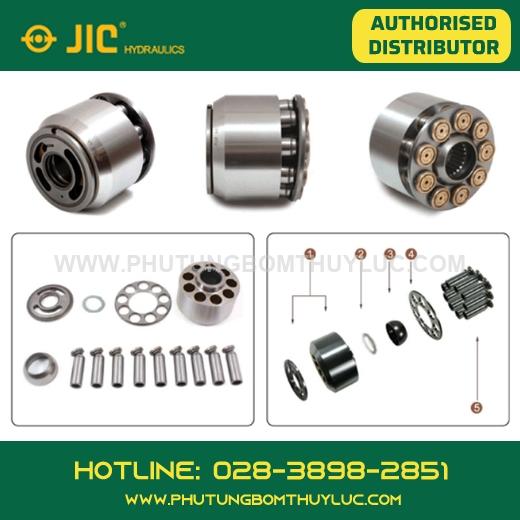 Kayaba (KYB) · PSVRotary group – Kayaba PSV2-55TPSV2On requestView · get a quote
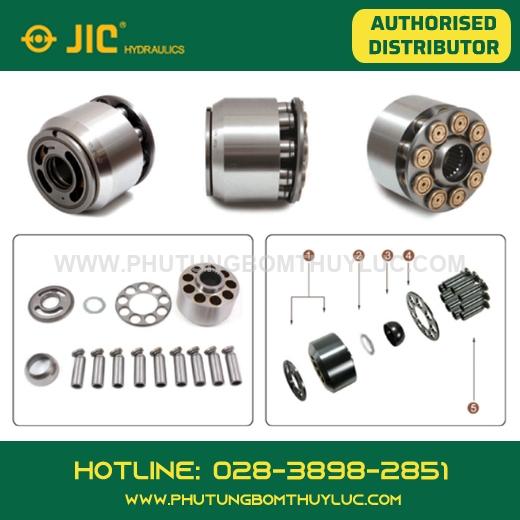 Kayaba (KYB) · PSVRotary group – Kayaba PSV2-60TPSV2On requestView · get a quote
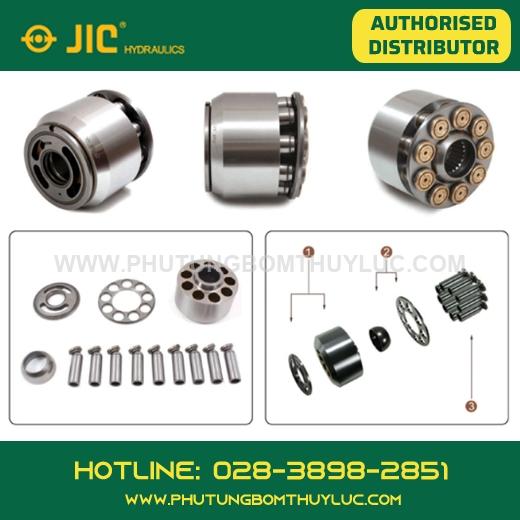 Kayaba (KYB) · PSVRotary group – Kayaba PSV2-63TPSV2On requestView · get a quote