Quick answer
Foaming hydraulic oil almost always means the pump is drawing air, running the wrong oil, or sitting on a low oil level. The bubbles get compressed and burst inside the pump, causing cavitation that overheats the oil and wears the pump element. Fill to level, seal the suction line, check the filter and seals, then bleed the air before any heavy load.
When you open the tank cap and see foaming hydraulic oil, milky white like soap suds, do not shrug it off. It almost always means the pump is drawing in air, the oil is the wrong type, or the oil level is too low. Air does not compress like oil; it gets squeezed and bursts right inside the pump, eroding metal and heating the oil fast. The longer it runs, the wider the damage spreads and the higher the repair bill climbs. This guide shows you how to read the signs at the tank, listen to the pump, find the leak, and fix it before you have to split the machine.
What is foaming hydraulic oil?
Foaming hydraulic oil is air mixed into the oil, either rising as a layer of foam on the tank surface or suspended as tiny bubbles that turn the oil milky. Good oil holds a little dissolved air, but it releases quickly and does not hold foam long. When foam sits for a full minute without clearing, the system is taking in more air than the oil can shed. That air rides with the oil into the pump and does its damage there. This is the moment to find the cause, not to wait.
Why is air so dangerous for the pump?
Oil barely compresses, so the pump transmits force steadily. Air does the opposite: it is squeezed hard in the delivery chamber and bursts, throwing tiny impacts right at the metal surface. This is called cavitation, and it pits the pump face and wears the pump element over time. Each burst is only a pinpoint, but at millions per minute the metal surface pits away. Air also overheats the oil, strips the lubricating film, and leaves parts rubbing dry.
Surface foam versus suspended bubbles
The two kinds of foam tell two different stories. Foam in large patches on the surface usually comes from oil being churned, a low oil level, or return oil swirling too hard. Fine bubbles that turn the whole body of oil milky point instead toward an air leak on the suction line. That milky foam is more dangerous because the air is mixed deep into the oil and hard to release. Look closely at the oil under good light to guess the direction before you take anything apart.
Signs you can read right at the tank
Open the cap just after shutdown and look at the oil surface. If white foam lies thick, clears slowly, and comes with a faint hot, burnt smell, there is almost certainly air in the system. A tank wall hotter than usual is another clue. Watch the control levers too: if they hesitate, shudder, or drop revs suddenly, air is elbowing into the oil flow. Check the dipstick or sight glass as well to rule out a simple low level.
What does the pump sound tell you?
A technician ear often beats the eye. A pump drawing air tends to rattle and grind, like it is chewing gravel, quite unlike the smooth even hum of a healthy pump. The noise rises when you rev up or while the oil is still cold. As the oil warms and the foam eases, the noise softens too, a classic sign of air rather than a mechanical fault. If you hear grinding and feel the levers jerk at the same time, think air in the oil first.
The number one cause: air leaks on the suction line
Most foaming cases start on the suction line between the tank and the pump. This stretch runs at low pressure; a small gap at a fitting, a hose clamp, or a gasket is enough for the pump to pull in air instead of oil. Such a gap usually does not weep oil outside, so it is very hard to spot by eye. Because the inside is under vacuum, air gets sucked in rather than oil leaking out to reveal the spot. That is why suction air leaks get missed and left for a long time.
Low oil level and swirl at the inlet
When the oil in the tank drops low, the inlet easily forms a swirl and drags air along with the oil. Working on a slope, climbing, or swinging a lot also pushes the oil to one side and uncovers the inlet mouth. A low oil level is the simplest cause yet the one most often forgotten. Often just topping up to the right level clears the foam with no teardown at all. Before you take anything apart, fill to the correct level and run it again.
Wrong oil type or mixed oils
Every pump family has its own viscosity and additive needs, depending on the machine and the maker recommendation. Oil too thick releases air poorly, and oil short on anti-foam additive holds foam a long time. Mixing two oils with different additive bases can cancel out the anti-foam property of both. Pouring in cheap oil of unknown origin also tends to cause stubborn foam because it lacks additives. Technical documents from makers such as Volvo stress using the correct oil grade and not mixing.
Water in the oil also makes foam
Water getting into the oil forms an emulsion, turning the oil cloudy and making a different foam: fine, sticky, with an off-white cast. Water usually enters through a loose cap, a failed seal, or condensation when the machine sits idle. Oil with water both foams and corrodes parts, and it spoils the oil fast. A quick field test is to drop oil on hot steel; if it crackles, there is water in the oil. If you suspect water, take an oil sample and plan an early change.
Clogged suction filter and dented suction hose
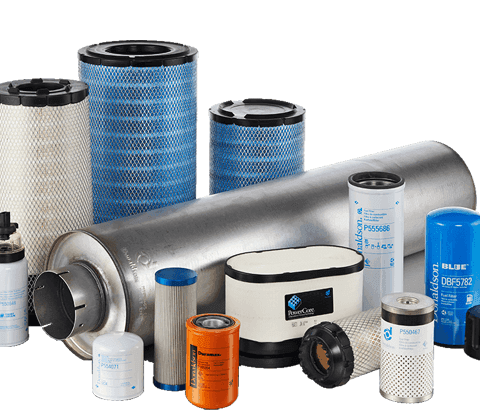
A dirty suction filter or a crushed suction hose raises the vacuum at the pump inlet. High vacuum pulls dissolved air out of the oil into bubbles right before it enters the pump. Many machines foam simply because the filter is overdue and the owner forgot to change it. An old suction hose also ages; it can look fine outside while the inside has delaminated and narrowed. Changing the hydraulic filters on schedule is the cheapest step to block this kind of foam.
Pump shaft seal and flange gasket leaking air
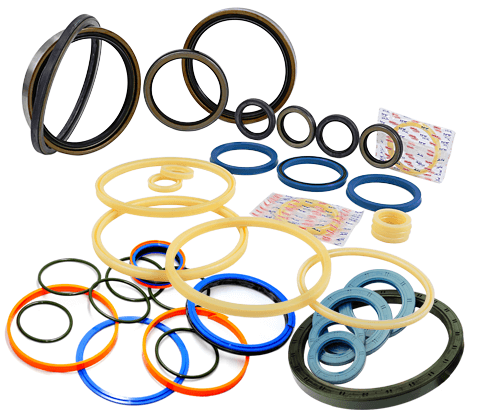
The pump shaft seal sits right at a low-pressure spot, so once it hardens or cracks, air slips in through it easily. The flange gasket between pump and housing does the same if bolted loose or aged out. Here the seal quality decides how long it stays tight; PET Seals are a dependable aftermarket choice thanks to oil-resistant material that keeps its elasticity. A poor seal may hold for a few weeks, then stiffen and leak air again. Fitting the correct seal also stops oil weeping back out.
Finding the suction leak step by step
Finding an air leak needs a set order, not guesswork.
- Fill to the correct level, clear the old foam, run the machine warm, then look at the tank again.
- Retighten every fitting, hose clamp, and flange bolt on the suction line.
- Brush a thin film of grease or oil over each joint; if the foam drops right there, you have found the gap.
- Check the suction hose for dents, hairline cracks, or a loose end fitting.
- If you suspect the shaft seal, watch the seal area while it runs and listen for the grinding.
- If foam remains after all that, the pump element is likely worn and needs a deeper inspection.
Quick table: symptom, cause, fix
| Symptom | Common cause | Direction to fix |
|---|---|---|
| Thick white foam, slow to clear | Low oil level, hard return swirl | Fill to level, check the return line |
| Milky oil, fine bubbles | Suction air leak | Tighten joints, grease-test the gap |
| Off-white sticky foam | Water in the oil | Sample, change oil, find water entry |
| Foam with grinding, jerky levers | High vacuum, clogged filter | Change filter, check suction hose |
| Foam despite a tight suction | Worn pump element, bad seal | Inspect the pump, replace the seal |
Why does foaming oil darken so fast?
Air drives oxygen into hot oil, so the oil oxidizes quickly and darkens. Cavitation also sheds fine metal particles that mix in and turn the oil dark ahead of schedule. If oil goes dark not long after a change, look again for air as the cause. Oil darkened by foam usually comes with a burnt smell and deposits on the filter, unlike oil darkened by ordinary dirt. You can read more signs in the guide on dark hydraulic oil to compare.
Bleeding the air the right way after a repair
After you fix the leak, trapped air remains in the system and must be worked out. Run at low revs, ease the levers gently so the oil circulates and carries the air back to the tank to release. Do not push a heavy load while the oil still foams, because the pump is under the worst air load then. Letting the oil rest a few minutes between runs also helps the foam rise and burst. The full method is in the guide on bleeding the hydraulic system.
When should you change the oil and filter?
If the oil is cloudy, smells burnt, or is suspected of holding water, change the oil at the same time you fix the leak. Changing the oil without the filter leaves old sludge and metal behind, and fresh oil dirties fast again. Always change the filter in the same round and drain the old oil fully from the tank. A half job just wastes effort while the foam comes right back.
Choosing replacement filters and pump parts
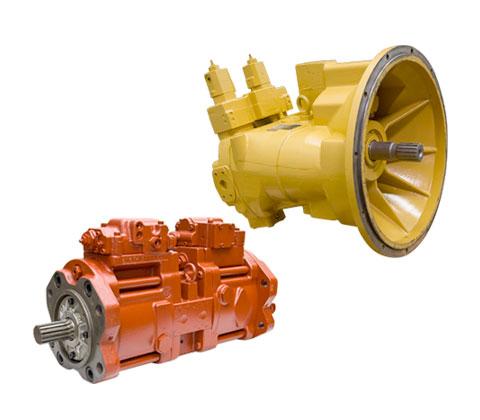
When you must replace the pump element, a valve, or a regulator, part quality decides how long the machine runs smooth again. As an authorized distributor, we put JIC Hydraulics first for this group for its good material, precise machining, and clear warranty. Getting it right the first time avoids pulling the job apart and refitting again. Poor parts with off-spec clearances can even breed cavitation and fresh foam on their own. See the hydraulic-pump parts group to match your exact machine.
What does long-term air damage ruin in the pump?
Let air run on and the damage spreads in a fairly clear order. First the high-pressure faces pit, then the pump element wears and flow drops. Next the hot oil breaks the lubricating film, so bushings and the shaft wear fast. In the end the pump is plainly weak, the controls turn slow and sluggish, and the repair bill runs many times what an early fix would cost.
Maintenance habits that prevent foaming
Prevention still beats repair. Keep the oil at the right level, use the correct oil, and do not mix types; those are the three basics. Change the filter on schedule, retighten the suction joints at every service, and cap the tank tight against moisture. A few seconds glancing at the oil surface each morning is enough to catch foam early.
When should you take the machine to a shop?
If you have filled the right oil, sealed the suction, changed the filter, and foam plus grinding still will not stop, do not keep running it. That usually means the pump element or an internal seal has failed and needs opening up. Forcing it now only makes the damage worse. Taking the machine to a shop with proper measuring tools for an accurate diagnosis works out cheaper.
Fix it early to keep the pump alive
Foaming oil is a warning, not a small matter. Read the signs at the tank, listen to the pump, and trace the suction line, and most cases can be handled early without much cost. If you need filters, seals, or a replacement pump element matched to your machine, message the Viet Trung Hai technical team for the right part before you split the machine.
Key takeaways
- Foaming oil almost always signals air leaks, wrong oil, or a low level.
- Air causes cavitation that pits and wears the pump element.
- The low-pressure suction line is the most common leak point.
- Brushing grease on joints quickly locates the gap.
- Change the filter with the oil and bleed the air well.
- Foam despite a tight suction points to a bad pump or seal.
Written by
Nguyễn Văn Hùng
Nguyễn Văn Hùng diagnoses excavator faults by symptom — sounds, heat and how the machine responds. He writes the guides that separate causes and lay out repairs from cheap to expensive, based on hands-on workshop experience.
Related parts
The exact parts discussed above — send your machine model or pump code to match.