Quick answer
Black hydraulic oil usually signals three things: overheating, long-term oxidation, or metal debris contamination. If the oil is both black and smells burnt, the system has likely run hot for too long and the oil is starting to cook. Stop the machine, read the color and smell carefully, and check the filter before running again to avoid harming the pump.
When you open the reservoir cap and see hydraulic oil as black as coffee, with a burnt smell, it is not a small matter. Color and smell are two things the oil is trying to tell you. Black hydraulic oil usually signals one of three things: the system is overheating, the oil has oxidized from being used too long, or metal debris and burnt residue have mixed into it. This guide helps you read the signs correctly, tell which kind of black is still drivable and which means stop now, so you can act before the pump fails.
What is black hydraulic oil a sign of?
Fresh oil is usually pale yellow or amber and clear. When oil turns dark brown then black, it means a change has happened inside the system. Discoloration is the result, not the cause. Your job is to trace back from the oil color to what caused it.
The three most common culprits are heat, time, and debris. Each leaves a slightly different mark on the oil. Read that mark and you will know whether to change the oil, flush the system, or open the pump to inspect.
Why does oil turn black?
Hydraulic oil is a mineral base blended with additives. Under high heat and long exposure to air, the oil molecules break down and form dark residue. This residue floats in the oil, darkening it steadily until it goes black.
On top of that, when the anti-oxidation additives run out, the oil loses its ability to protect itself. From that point the oil degrades very fast. Black is the final stage of this process, not the beginning.
Three main causes of discoloration
Before the details, grasp the three groups of causes. Almost every case of black oil falls into one, or a mix, of these.
- Overheating: the oil runs hot for a long time and slowly cooks from within.
- Oxidation: the oil sits too long, past its change interval, and additives are spent.
- Debris and residue: metal wear, burnt seals, or dust getting in.
When all three are present, the oil is deep black, burnt, and dirty on the hand at once. That is when the risk to the pump is highest.
Black oil from overheating
This is the most common cause on excavators doing heavy work. When the cooler is dirty, the fan is weak, or oil is low, the temperature in the system climbs and stays there. Oil kept hot for long goes dark and gives off a faintly burnt smell, like lightly scorched plastic.
The field signs are clear: the pump housing is hot to the touch, the reservoir radiates heat, the machine slows down by the end of the shift. If you see these signs, read the in-depth guide on overheating hydraulic oil to find the true heat source before changing oil. Change the oil without fixing the heat source and the new oil goes black again quickly.
Black oil from oxidation
Oxidation is the slow, quiet kind of black. Oil used too long, past its change interval, turns brown then black even if the machine does not run very hot. This kind of oil is usually thicker, feels sticky, and may have a mild sour smell instead of a sharp burnt one.
The root cause is usually a missed oil-change schedule. If you are unsure how often to change it, see the guide on the oil-change interval based on real working conditions. Oxidized oil loses its ability to lubricate and protect, and over time it corrodes the parts inside the pump.
Black oil from metal debris
When the pump or motor starts to wear, fine metal particles mix into the oil. This debris makes the oil grey-black and cloudy, different from the glossy black of cooked oil. Drop a bead onto white paper and you may see a metallic sheen or tiny particles.
This is the most dangerous kind of black because it says parts inside the pump are destroying each other. Debris circulating around grinds other surfaces, creating a spiral of damage. If you see oil like this, do not keep running, check the pump and filter right away.
What does a burnt smell tell you?
Smell is a clue many people ignore. A sharp burnt smell, like scorched rubber or plastic, almost always goes with overheating or a burnt seal. It is a sign the oil has been cooked past what it can take.
A mild sour smell leans toward long-term oxidation. A metallic, fishy smell leans toward debris. Smell the oil as soon as you open the cap, while it is still warm, because the smell is clearest then.
How to tell drivable black oil from stop-now black oil?
Not every dark oil is an emergency. Oil that is slightly brown, still clear, with no odd smell is usually just aging and can be scheduled for a change. Oil that is black and cloudy, burnt, sticky, or carries metal particles is a stop signal.
Simple rule: color tells you the degree, smell and cloudiness tell you the danger. Oil that is black, burnt, and cloudy is three red lights at once. At that point, running on is gambling with the whole pump assembly.
Does black hydraulic oil need changing right away?
The answer depends on why the oil is black. If it has only just darkened from age, you have time to plan a change. If it is black with a burnt smell or debris, stop and deal with it soon, because the risk lies in the pump, not just the oil.
The key point is not to simply change the oil and run on. You must find why the oil went black. Changing oil only cleans up the result, while the cause sits in the heat, the service interval, or a part that is wearing.
Accompanying signs to watch
Black oil rarely comes alone. Watch the whole cluster of signs to read the machine correctly. Often it is the small signs together that show the real picture.
- The machine gets weaker, slow on the boom by end of shift.
- The pump whines or growls unusually.
- The pump housing and reservoir run abnormally hot.
- The return filter clogs fast, differential pressure warns early.
- Foam or a milky film on the oil surface.
How to check the oil in the field
You do not need a lab to read oil. A few simple steps right at the machine tell you a lot. Do it while the oil is still warm for the clearest result.
Drop a bead of oil onto white paper or a paper towel. Wait a few minutes for it to spread. Good oil spreads evenly and clean; dirty oil leaves a dark residue ring in the center, sometimes with visible metal. Combining color, smell, and the residue mark gives you a fairly solid first diagnosis.
Color and smell reference table
The table below gathers what technicians commonly see on site. Use it as a quick map, not as absolute figures.
| Oil color | Smell | Likely cause | What to do |
|---|---|---|---|
| Pale yellow, clear | No odd smell | Oil still good | Keep using, monitor |
| Dark brown, still clear | Mild | Oil aging | Schedule a change |
| Black, cloudy, glossy | Sharp burnt | Overheating, cooked oil | Stop, find heat source |
| Black, thick, sticky | Mild sour | Long-term oxidation | Change oil, flush system |
| Grey-black, metallic sheen | Metallic | Debris, worn pump | Stop, inspect pump |
Step-by-step handling of black hydraulic oil
Once you confirm black oil, follow a sequence so you do not miss the root. Rushing to change oil while forgetting the cause is the most expensive mistake.
- Stop the machine, let it cool, read the color and smell carefully.
- Check the filter: cut the old one open to look for metal debris.
- Find the heat source: cooler, fan, oil level, working load.
- If there is debris, open and inspect the pump and motor before running again.
- Drain the old oil, flush clean if the oil is very dirty or has residue.
- Fit a new filter, fill the correct oil, run in and monitor.
The filter's role in black oil
The filter is the last screen keeping debris and residue from returning to the pump. When oil is dirty, the filter clogs fast and starts sending oil through the bypass valve, meaning dirty oil runs straight into the system. So changing oil while keeping the old filter is doing half the job.
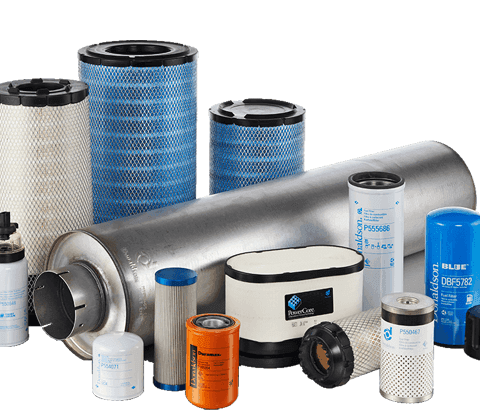
Always fit a new filter when you change oil, and choose hydraulic filters with the right filtration rating for your machine. Cutting the old filter open also tells you how the inside of the pump is doing. The filter is a source of information, not just a part to replace.
When must you flush the whole system?
Not every case needs a flush. If the oil has only darkened from age with no residue, changing oil and filter is enough. But when the oil is black and cloudy, has debris, or gummy residue clinging to the reservoir walls, you must flush it clean.
A half-done flush is worse than none, because old residue mixes into new oil then settles into the pump. If you suspect heavy metal debris, consider a thorough flush and inspecting the lines. It takes effort but is far cheaper than replacing the whole pump assembly.
Choosing the correct replacement oil
Filling the correct oil matters more than many think. The wrong viscosity grade or mixing two different base oils can create residue and make the oil go black again fast. Follow the machine maker's recommendation for your model.
Major makers such as Hitachi publish documents stating the viscosity grade and oil standard by working condition. Reading the right document avoids filling the wrong oil. When unsure, ask a technician experienced with your exact machine line.
Choosing parts when the pump is already harmed
If metal debris shows the pump has worn, changing oil is only the first step. The pump internals, valves, or the regulator may need reconditioning or replacement. This is where choosing parts calls for careful thought about quality, not just price.
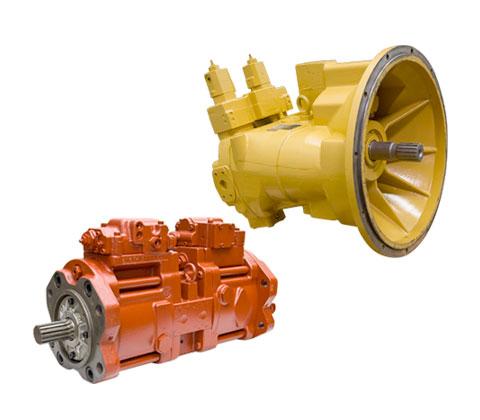
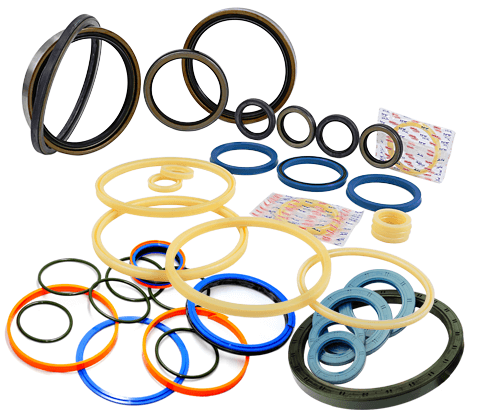
For common pump families like K3V and K5V, JIC Hydraulics parts are the quality option we recommend first, thanks to good material and machining that reaches the precision needed for the sliding surfaces. For seals, PET Seals hold up to heat and stay tight over time. See our hydraulic-pump parts to pick the right item for your model, and ask about the warranty before fitting.
How do you keep oil from going black again?
Fixing it once is not enough if the root remains. Prevention is cheaper and easier than repeated repairs. A few simple habits keep the oil clean far longer.
Keep the cooler and radiator fins clean, check the fan and oil level every day. Change oil and filter on schedule, do not stretch the interval to save money. Avoid long overloads under the midday sun, because accumulated heat is the slow but sure killer of oil.
Common mistakes with black oil
Many pump failures come from wrong handling, not from the black oil itself. Knowing these mistakes ahead of time saves you wasted money.
- Just topping up new oil on top of old black oil.
- Changing oil but keeping the clogged filter.
- Ignoring the burnt smell as if it were normal.
- Not finding the heat source, then running on as before.
- Mixing two different base oils for convenience.
When should you call an experienced technician?
If the oil has only darkened slightly, you can change it and monitor yourself. But when you see metal debris, a sharp burnt smell, or a clearly weak machine, call a hydraulics specialist. Opening the pump the wrong way does more harm than leaving it be.
A skilled hand reads the debris, measures pressure, and listens to the pump to diagnose accurately. The cost of calling a technician early is usually far smaller than the cost of running on. Do not hesitate to ask when unsure.
Reading oil is a skill, not luck
Oil color and smell are a status board for the machine, and reading them puts you one step ahead of failure. Black hydraulic oil is not a death sentence for the pump, if you act in time and at the root. Losing a shift to diagnose beats losing the whole pump to haste.
If you need a filter, oil, or pump parts after finding black oil, look through our hydraulic filters page to choose the right rating and order for your machine.
Key takeaways
- Black hydraulic oil signals one of three things: overheating, oxidation, or metal debris.
- Oil that is both black and burnt is almost always overheating or a burnt seal; stop and find the heat source.
- Grey-black oil with a metallic sheen is the most dangerous because the pump is wearing from inside.
- Always fit a new filter when changing oil, and cut the old one open to check for debris.
- Do not just change oil and run on; you must fix the heat source or the service interval.
- Fill the correct oil per the maker recommendation so it does not go black again fast.
Written by
Nguyễn Văn Hùng
Nguyễn Văn Hùng diagnoses excavator faults by symptom — sounds, heat and how the machine responds. He writes the guides that separate causes and lay out repairs from cheap to expensive, based on hands-on workshop experience.
Related parts
The exact parts discussed above — send your machine model or pump code to match.