Quick answer
The hydraulic oil change interval depends on the machine model, workload and oil quality. Most excavators use an hours-based mark set by the maker, often around 2000 hours, but dust, heat and water shorten it. The safest path is to follow the maker's spec for the model and pull oil samples on a schedule.
The hydraulic oil change interval is a question every mechanic runs into, yet there is rarely one number that fits every machine. Oil in the system does not fail on a calendar; it fails according to how the machine works. This guide gathers how to set the change point, how to read oil that has gone bad, and what to do around each change so pumps and valves last longer.
What is a hydraulic oil change interval?
The hydraulic oil change interval is the span, usually counted in run hours, between two full oil changes in the system. It is not a fixed number. It is a mark the maker sets for standard conditions, which the operator then adjusts for reality. Heavy, dusty work shortens the mark. Light, clean work can hold it. Getting this idea right keeps you from changing too early and wasting money, or too late and hurting the pump.
Why hydraulic oil degrades over time
Hydraulic oil does three jobs at once: it transmits force, lubricates and cools. All three jobs wear the oil down. Heat oxidizes the oil, forming sludge and varnish that stick to valves. High pressure shears the additive chains and thins the oil. Dust and metal debris turn the oil into a grinding paste. Water condenses in the tank, clouding the oil and corroding parts. After enough hours, the oil loses its protection even if it still looks clear.
Run-hour marks: 250, 500, 1000 or 2000 hours?
Makers usually split service marks by run hours. The 250-hour mark is common for a first check and filter change. The 500- and 1000-hour marks are for rechecking filters and pulling samples. The 2000-hour mark is where many makers suggest a full oil change. But that number only holds under standard conditions. Take the maker's spec for the model as your base, then shorten it if the environment is harsh. Do not treat the hour mark as an unbreakable law.
The hydraulic oil change interval shifts with working conditions
On the same model, the change interval can vary widely. Digging wet clay differs from breaking dusty rock. A cool night shift differs from baking midday sun. Factors that shorten the mark include: steady heavy load, high oil temperature, heavy dust, high humidity, and topping up with the wrong oil. When these show up, pull the mark in and sample more often.
Signs your hydraulic oil needs changing now
Some signs should not be ignored. Oil turning dark brown or black. A burnt smell like scorched oil. Foam on the oil surface in the tank. Milky oil, a sign of water. Controls that jerk, lag, or a pump that runs loud. Oil temperature climbing higher than usual. When you see these, do not wait for the hour mark; check and fix it now.
The role of the filter in the oil change interval
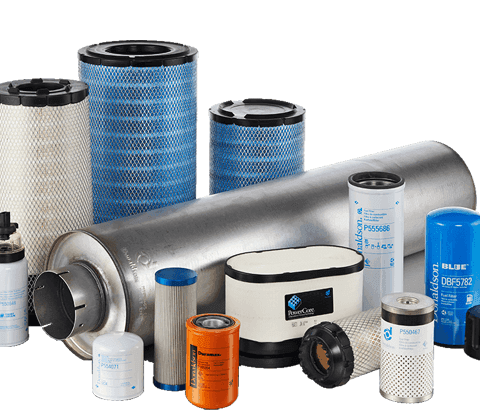
Filters keep the oil clean between changes. A good set of hydraulic filters stops metal debris and dust before they reach the pump and valves. If a filter clogs, the bypass valve opens and dirty oil runs straight into the system. So changing filters on time matters as much as changing oil. Many mechanics change filters one or two beats sooner than oil. A filter is far cheaper than a pump.
Oil or filter first?
When changing both, follow the right order so you do not push dirt into the system. Drain the old oil before removing filters. Fill new oil, then fit a new spin-on filter. For in-tank filters, change them while the tank is empty. Always prime a spin-on element with clean oil before fitting, so the pump does not run dry at startup. A small detail, but it saves the pump in the first seconds.
Oil temperature and oil life
Heat is the number one enemy of oil. The hotter the oil, the faster it oxidizes and the shorter the mark. A dirty cooler, a weak fan, or low oil level all push the temperature up. When a machine often reads hot, read our guide on overheating hydraulic oil to find the root. Keeping heat within the maker's range is the cheapest way to stretch the change interval.
Water and air in the oil
Water enters oil from humid air condensing, failed seals, or careless washing. Water clouds the oil, rusts parts and breaks additives. Trapped air causes foam, jerky controls and a knocking sound in the pump. The tank needs to breathe through a filtered breather cap. A clogged breather pulls humid air in each time the oil expands and contracts. Checking the breather and seals is a small job often forgotten.
Oil sampling and regular analysis
The surest way to know if oil is still good is to pull a sample for analysis. The lab measures viscosity, water content, metal debris and remaining additives. The result tells you to change or hold. For a large fleet, oil analysis costs less than changing on a rigid schedule. Sample correctly: pull it while the oil is warm, from a set point, into a clean bottle. A dirty sample gives a false result.
Reference table of check marks by run hours
The table below is a general reference, not a substitute for the maker's manual.
| Run-hour mark | What to do | Note |
|---|---|---|
| Daily | Check oil level, look for leaks | Before startup |
| 250 hours | First filter check and change | Per model |
| 500 hours | Recheck filter, pull a sample | If heavy work |
| 1000 hours | Assess oil, change filter | Read the sample result |
| 2000 hours | Consider a full oil change | Per the maker's spec |
Pull these marks in when the machine runs in dust, heat or damp.
Steps to change hydraulic oil the right way
Follow the sequence to avoid pushing dirt into the system.
- Run the machine warm so the oil thins and carries debris.
- Park level, lower the arm, shut off and release pressure.
- Clean around the drain plug and filler before opening.
- Drain all the old oil into a sealed container for disposal.
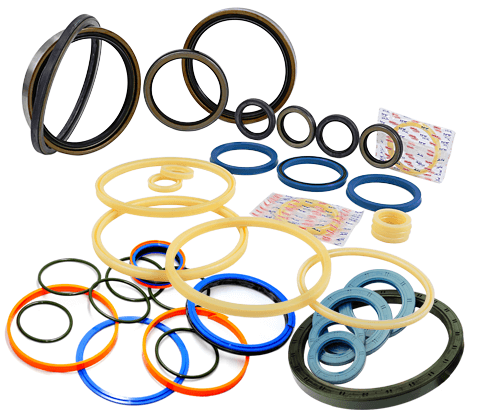
- Change filters, check seals and the breather.
- Fill with the correct new oil to the maker's level.
- Start, bleed air, and cycle the controls gently to fill.
- Recheck the level and look for leaks after a few minutes.
Log the run hours and date right after you finish.
When a flush is needed
Not every change needs a flush. A flush is needed when the old oil is heavily fouled, has varnish, or after fixing a failure that made debris. Switching to a different base oil also calls for a flush to avoid additive reactions. Flush with a dedicated flushing fluid or the new oil itself, run it briefly, then drain. Skip this step when needed, and old debris and varnish will foul the new oil fast.
Choosing the right oil at change time
Changing on time with the wrong oil still hurts the machine. The oil must match the viscosity grade and additive package the maker calls for. Many machines use a mineral oil in grade VG 46 or VG 68 depending on climate and season. Hot regions usually need a thicker oil, cold regions a thinner one. Our guide on choosing hydraulic oil goes deep on reading the grade. Always check against the maker's spec for the model before you buy.
Storing new oil before you pour it
New oil gets dirty too if stored wrong. A drum left outside collects rainwater pooling on the lid. Each temperature swing pulls humid air inside. Lay the drum on its side or cover it, lid down. Before pouring, wipe the lid and use a clean hand pump. Filter new oil as it goes into a newer, dust-sensitive machine. An open can left a few days already picks up site dust.
Can you mix oils from different brands?
The short answer is to keep it to a minimum. Makers use different additive packages. Mixing two can form sludge, foam, or cancel the anti-wear action. When you must top up in a hurry without the right oil, add a small amount of the same grade to get back to the shop, then change soon. Do not let a temporary top-up become a habit. Label the oil in use right on the machine so no one mixes it up next time.
Hydraulic pumps and dirty oil
The pump is the most expensive and most sensitive part to dirty oil. Fine debris wears the pistons, swash plate and bushings. Once a pump is weak, clean oil cannot bring back the worn metal. At that point you need hydraulic-pump parts to rebuild. Keeping oil clean is the cheapest way to make a pump last. Every skipped oil change is a gamble with the pump.
Oil change cost versus pump repair cost
Many people save on oil and filters, then pay with the pump. One oil and filter change costs far less than one pump overhaul. Dirty oil wears parts slowly, and by failure the bill is many times higher. Counted per machine hour, the oil cost per run hour is tiny. Treat oil change money as insurance for the pump and valves. It is the best spend in hydraulic maintenance.
Common mistakes when setting the interval
A few mistakes repeat out in the field. Judging by oil color alone. Changing oil but forgetting the filter. Topping up with a different oil and forgetting. Ignoring the breather and seals. Not logging run hours, so no one knows how long it has been. Using a dirty container to add oil. Each small mistake adds up and shortens oil and pump life.
Records and the maintenance schedule
Without a logbook, every hour mark is a guess. Record the change date, run hours, and the oil and filter used. Stick a small label in the cab for next time. Fold the change interval into a full excavator maintenance schedule so nothing slips. A cheap notebook costs far less than a pump. A multi-machine fleet should use a shared tracking sheet.
Genuine, aftermarket or used parts at filter change
When changing filters and seals, you have three choices. Genuine parts cost more but match the spec. Good aftermarket parts balance price and quality if you pick the right supplier. Used parts are cheap but risky, only for emergencies and after a close check. For filters, do not chase the lowest price, since a poor filter sheds dust into the system. Weigh it by machine age and how critical the part is.
The change interval for rented and used machines
Rented and used machines need extra care. You do not know how the previous owner changed the oil. When you take a machine, pull a sample and inspect the filter before you trust the old mark. If the records are unclear, change the oil and filter once to get back to the start line. From there, set a new change interval based on how you use the machine. Older machines often need a shorter mark because seals and pumps are worn.
A quick recap before you change oil
Remember a few basics. The maker's hour mark is a start, not a stop. Working conditions set the real mark. Filters, breather and seals go with the oil. Regular sampling is worth the money for a fleet. Full records keep you from guessing next time. Do all of this, and pumps and valves pay you back with a longer life.
Việt Trung Hải keeps filters, seals and pump parts in stock for many excavator models. Send your machine model and pump code so we can match the exact part before you order. To look up the base marks in the maker's own documents, see the official Hitachi site, then compare against how your machine actually runs.
Key takeaways
- The maker's hours mark is a starting point, not a hard rule.
- Working conditions decide the real oil change interval.
- Change filters with the oil; a filter is far cheaper than a pump.
- Heat, water and dust are the three things that shorten oil life.
- Regular oil sampling pays off for larger fleets.
- Log run hours and oil type so you never guess next time.
Written by
Lê Minh Tuấn
Lê Minh Tuấn handles scheduled maintenance and machine longevity at Việt Trung Hải. He writes about oil, filters, service intervals and the habits that keep machines running reliably.
Related parts
The exact parts discussed above — send your machine model or pump code to match.