Quick answer
Choosing hydraulic oil right means matching the maker's spec for the model, the correct viscosity for the climate, and an anti-wear oil type. Read the machine manual first, then weigh climate, load and oil cleanliness. This guide walks you through choosing hydraulic oil step by step and how to avoid buying poor-quality stock.
Choosing hydraulic oil right is a small job with a big effect on the life of the pump, valves and seals. Many machines lose power, run hot or wear the pump early just from the wrong oil type or wrong viscosity. This guide shows how to choose hydraulic oil by the maker''s spec, by climate and by working load, and how to tell good oil from poor-quality stock.
What is choosing hydraulic oil, and why does it matter?
Choosing hydraulic oil means picking the right type, the right viscosity and the right grade for the machine''s hydraulic system. Hydraulic oil does not just transmit force. It also lubricates, cools and cleans inside the pump, valves and motors. The wrong oil makes the machine weak, hot, quick to wear and early to leak. The right oil keeps the pump smooth, holds pressure well and extends system life. So oil choice is a foundation step, not a side matter.
Read the maker''s spec before choosing oil
The first job when choosing oil is to read the machine manual. Every maker states the recommended oil type, viscosity and grade for each model. Do not guess by oil colour or by the machine next to yours. Look up the maker''s spec for the exact model, because the same machine line in different years may need different oil. With no manual, ask the supplier with the machine model and pump code so they can look it up.
VG 46 or VG 68: what decides the viscosity?
Viscosity is the most important factor when choosing oil. Construction-machine hydraulic oil is usually VG 46 or VG 68. Which grade you use depends on climate and the maker''s recommendation. Hot regions or machines under continuous heavy load usually suit a thicker oil. Cold regions or machines started on cold mornings usually suit a slightly thinner oil. Oil too thick makes the pump hard to prime and makes heat at start-up. Oil too thin raises internal leakage when hot. Take the maker''s recommended grade as the base, then adjust for climate.
What does the viscosity index (VI) tell you?
The viscosity index shows how steadily the oil holds its viscosity as temperature changes. High-index oil thins less when hot and thickens less when cold. This type suits machines working across a wide temperature range. Low-index oil changes viscosity a lot with temperature, so it is harder to keep steady. For a machine working both cold and hot seasons, a high-index oil holds pressure more steadily. That is why some oils are marked HV, meaning a high viscosity index.
Common types of hydraulic oil
Hydraulic oil comes in several types, sorted by additives and purpose. The most common for excavators is anti-wear oil, usually marked HM or HLP. The high-viscosity-index type, marked HV or HVLP, suits a wide temperature range. There is also biodegradable oil for environmentally sensitive sites. Most excavators use anti-wear oil as the maker recommends. Do not pour engine oil or gear oil in place of hydraulic oil.
What do the additives in hydraulic oil do?
Good hydraulic oil has a balanced additive package. Anti-wear additives form a protective film on metal surfaces in the pump and valves. Anti-oxidation additives keep the oil stable and slow to degrade. Anti-foam additives cut air bubbles that cause cavitation and pressure loss. Anti-rust additives protect parts while the machine rests. Cheap or poor oil often lacks additives, so it degrades fast even though it looks the same.
Hydraulic oil selection table by condition
| Working condition | Prefer | Note |
|---|---|---|
| Hot climate, continuous heavy load | Thicker oil within the maker''s range | Watch oil temperature over long runs |
| Cold climate, early-morning start | Slightly thinner, high viscosity index | Avoid oil too thick to prime |
| Wide seasonal temperature swing | High viscosity index oil (HV) | Holds pressure more steadily |
| New machine, sound system | Anti-wear oil at the maker''s grade | Keep the same type, do not mix |
| Old machine with internal leakage | Correct grade, do not thicken to mask it | Fix the pump instead of changing oil |
Use this table for a quick pick. The final call still follows the maker''s spec for the exact model.
Choosing hydraulic oil for cold and hot seasons
Choosing hydraulic oil also depends on season and region. A machine in the highlands or starting on cold mornings needs oil that is not too thick, so the pump can prime while the machine is still cold. A machine in hot regions under heavy load all day suits slightly thicker oil that holds its film better. If the machine works both seasons, a high-viscosity-index oil is the balanced choice. Oil too thick in cold weather easily starves the pump and makes heat at start-up. To understand the harm of heat, read the hydraulic oil overheating guide.
Should you mix two hydraulic oils?
Do not mix two different oils if you can avoid it. Each oil has its own additive package, and mixing can cancel their effect or form deposits. Mixing oils of different viscosity shifts the overall viscosity away from the design. When you must top up without the exact oil, use the same grade and the same quality, as close to the old oil as possible. In the long run, flush and change to a single oil so the system runs steadily.
How much does oil cleanliness matter?
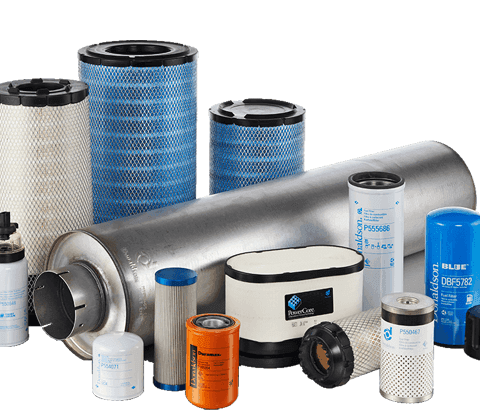
Oil cleanliness matters as much as the oil type. Most pump and valve failures come from dirt, not from poor oil. Tiny particles wear the rotary group and jam valves over time. So even new oil must be kept clean during transport and topping up. Use a clean funnel, clean rags and keep dust and dirt out of the tank mouth. Fitting the correct hydraulic filter and changing it on schedule is the most effective way to keep oil clean.
Genuine oil, replacement oil, or used stock?
The market has genuine oil, replacement oil from reputable oil brands, and loose unbranded oil. Genuine oil and quality replacement oil both work well, as long as the type and viscosity are correct. The problem is loose oil, repackaged or blended, short on additives. Used oil or drum-recovered stock should never go into a hydraulic system, since its cleanliness and degradation are unknown. Choosing a clear oil source matters more than chasing the lowest price.
How to spot poor-quality hydraulic oil
Poor oil is hard to spot by eye alone, but there are a few signs. Oil with an odd smell, a cloudy colour or floating sediment is a bad sign. A drum with no clear label, no type and no viscosity marked is one to avoid. A price far below the market is also suspect. After filling, if the oil quickly changes colour, foams heavily or the machine runs hotter than usual, it is likely poor oil. Buying from a source with a clear origin avoids most of this risk.
The steps to choose hydraulic oil correctly
- Look up the maker''s spec for the exact model: oil type, viscosity and grade.
- Identify the climate and working season to pick a suitable grade.
- Choose the correct anti-wear oil, favouring a high viscosity index if temperature swings widely.
- Choose a clear oil source, genuine or a reputable replacement.
- Keep the oil clean while filling and use the correct filter.
- Run a test and watch oil temperature, pump noise and leaks over the first few shifts.
- Record the oil used so the next top-up matches.
Following this order lets you choose hydraulic oil correctly from the start and avoid flushing and refilling.
Choosing oil and seal compatibility
Oil and seals must suit each other. Most mineral-based hydraulic oils are compatible with the common rubber seals on excavators. But a few special oils, such as biodegradable or synthetic-based oils, can harden or swell seals if not the right type. When switching to a very different oil family, check the recommendation on seal compatibility. If seals leak after an oil change, consider that the oil may not suit the seals.
What to do when switching to a different oil
Switching to a different oil should not be done carelessly. If you only change brand but keep the same type and grade, the risk is low. If you switch to a very different oil family, drain the old oil, change the filter and flush the system before filling the new oil. Leftover old oil mixes into the new and shifts the additives. After switching, run a test and watch temperature, pump noise and leaks over the first few shifts.
Hydraulic oil and the oil-and-filter change interval
Choosing the right oil only pays off if you change it on schedule. However good the oil, the additives deplete with running hours and load. Common markers to plan by are 250, 500, 1000 or 2000 hours, but the exact figure must follow the maker''s recommendation for the model and working conditions. A machine in heavy dust and load shortens the marker. Read the oil and filter change interval guide to plan the change correctly.
Storing and filling oil correctly
Good oil still spoils if stored wrong. A drum left outdoors, uncapped or holding water easily takes on moisture and dust. Keep drums in a dry, cool place, sealed and out of sun and rain. When filling, wipe the tank mouth clean and use a clean funnel and hand pump. Do not reuse dirty cans or dirty rags. Mark the opening date to use oil in order and not keep it too long. These small habits keep oil quality from the drum to the machine.
Common mistakes when choosing hydraulic oil
- Filling oil by habit without checking the maker''s spec for the model.
- Choosing oil only on low price, ignoring origin and grade.
- Mixing several oils of different grade and different additives.
- Using engine oil or gear oil in place of hydraulic oil.
- Pouring used or drum-recovered oil into a hydraulic system.
- Choosing the right oil but letting it get contaminated while filling.
Quick field checks on the oil
An owner can check the oil in a few simple ways. Look at the colour and clarity on the dipstick or sight glass. Smell it for a burnt odour. Drop a drop of oil on white paper to see sediment or water. Watch the foam on the oil surface in the tank, since heavy foam is a bad sign. These checks do not replace a lab test, but they catch spoiled or wrong oil early.
How does oil choice affect the pump and valves?
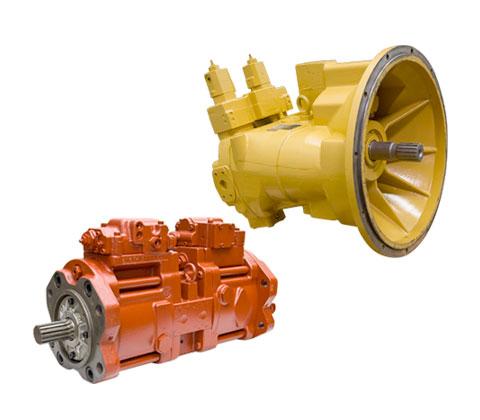
The pump and valves are the most expensive and oil-sensitive parts. Wrong-viscosity oil makes the pump hard to prime or leak internally, leading to weakness and heat. Dirty oil wears the rotary group and jams the spools in valves. Oil short on anti-wear additive lets metal surfaces scratch quickly. So the money saved on cheap oil rarely covers the pump repair. When you need to replace hydraulic-pump parts, review the oil in use to avoid a repeat failure.
Tying oil choice to the overall service schedule
Oil choice does not stand alone; it sits within the machine''s service schedule. At the oil change, also check the filter, oil level, seals and cooler. Record the oil type and change date in the service log so the next time is done right. This keeps the whole crew on one oil and one interval. See the excavator maintenance schedule to slot the oil change into the right service rhythm.
Record the model and pump code to choose right
The surest way to choose the right oil is to record the machine model and pump code. With these two facts, the supplier can look up the oil type, viscosity and grade the maker recommends. Add the working conditions such as hot or cold region, heavy or light load, for closer advice. Keeping a small logbook of the oils used at each change is also very helpful. That way, every fill is a correct one, not a guess.
When you need to choose hydraulic oil, or to replace hydraulic-pump parts after using the wrong oil, send the machine model and pump code and the Việt Trung Hải technical team will match it and advise the correct oil type, viscosity and grade. To look up the maker''s spec for the exact model, refer to the manufacturer''s operating documentation such as Volvo.
Key takeaways
- Choosing hydraulic oil starts from the maker''s spec for the exact model.
- VG 46 or VG 68 is chosen by climate and the maker''s recommendation.
- A high viscosity index oil suits machines in a wide temperature range.
- Keeping oil clean and using the correct filter matters as much as the oil type.
- Do not mix oils of different grade and do not pour used stock.
- Record the model, pump code and oil type so the next fill is correct.
Written by
Lê Minh Tuấn
Lê Minh Tuấn handles scheduled maintenance and machine longevity at Việt Trung Hải. He writes about oil, filters, service intervals and the habits that keep machines running reliably.
Related parts
The exact parts discussed above — send your machine model or pump code to match.