Quick answer
Hydraulic cylinder maintenance is mostly about keeping the rod clean, free of pitting, and free of knocks. A smooth rod lets the wiper work gently, keeps oil in, and lets the seal set last. Wipe the rod after each shift, avoid scratches, and guard against rust when the machine sits idle, and you add a lot of life to the cylinder.
Hydraulic cylinder maintenance is not as complicated as many machine owners think. Most of the work revolves around one thing: keeping the rod clean, free of pitting, and free of knocks. A smooth, bright rod lets the wiper work gently, keeps the oil inside, and lets the whole seal set live much longer. In contrast, a single small pit or a crust of dried mud on the rod is enough to cut a seal in a few days, and then you see oil weeping right at the rod neck.
Hydraulic cylinder maintenance starts with the rod
If you had to pick the single most important task, it is caring for the rod. The rod is the only surface that slides back and forth through the seals thousands of times a day. The cleaner and smoother that surface stays, the less the seals wear over time. Every other maintenance habit exists to protect the bright plating on this rod. Wrecking a pump or valve is expensive, but wrecking a rod is not cheap either, and most of it is preventable.
Why a dirty rod destroys seals fast
Dust, sand, and metal grit on the rod act like fine sandpaper. When the rod retracts, these particles are dragged along, slicing into the lip of the wiper and the oil seal. In a short time the seal lip frays, loses its tight grip, and oil starts to escape. This is why experienced technicians always wipe the rod before parking the machine, even for a lunch break.
What is rod pitting and why is it dangerous
Rod pitting is tiny holes on the surface, usually from rust or from a hard particle striking the plating. They are sometimes hard to see, but run a fingernail along the rod and you can feel the roughness. Each pit is a trap: it holds abrasive grit, cuts the seal lip, and gives oil a path to creep out. Preventing pitting is therefore the core of maintenance, not a minor detail.
Signs your cylinder is about to leak
A machine usually warns you before it fails outright, if you pay attention. You notice a thin film of oil around the rod neck after a few hours of work, or a few drops pooled underneath after the machine sits overnight. Sometimes the rod retracts more slowly, or the arm feels weak under a heavy load. Catching these signs early lets you handle it gently instead of splitting the whole cylinder. An experienced hand only needs a few minutes beside the machine to hear a drifting rod or spot a fresh oil streak, so do not hesitate to watch it daily.
How clean does the rod need to be?
Clean here means no mud, sand, or dirty oil film left on the working surface. You do not need to polish it like a mirror every day, but the exposed part of the rod should be dry and smooth when you run your hand over it. If you feel grit or roughness, stop and wipe it well before the rod retracts. One minute of wiping for many months of seal life is a clear bargain.
Wipe the rod after every shift
At the end of the shift, bring the arm to the position that retracts the rod as far as possible, then wipe the exposed rod with a soft, clean rag. Avoid rags with grit or rags already loaded with metal filings, because they will scratch the rod. When the rod is retracted, the clean surface sits tucked inside the seals, meeting less dust overnight. This small habit is the foundation of any hydraulic cylinder maintenance schedule.
Avoid knocks to the rod during work
A bent or dented rod is almost a death sentence for the seals. When digging, avoid letting the arm strike boulders or the pit wall sideways. When moving the machine over rough ground, retract the rod to reduce the exposed length. If the rod does take a hard hit, check right away for any raised high spot or dent that scrapes the seal.
To understand why a bent rod drags the whole seal set down with it, you can read more on how a cylinder is built and see how the parts fit together.
Guard against rust when the machine sits idle
A machine left outside for a long time is when the rod rusts most easily, especially in the rainy season or on sites near the sea. Before a long idle period, retract the rod fully and coat the exposed part with a thin layer of oil or preservation grease. If the rod must stay extended, shield it so rainwater does not pool on the surface. Today's early rust is next month's pit.
The role of the wiper seal
The wiper is the first line of defense for the whole set. It sits on the outermost edge, scraping mud and water off the rod every time the rod retracts. While the wiper is still good, dust never reaches the oil seal inside. So when you see the wiper glazed, cracked, or gapping, replace it early, do not wait until oil is running in a stream.
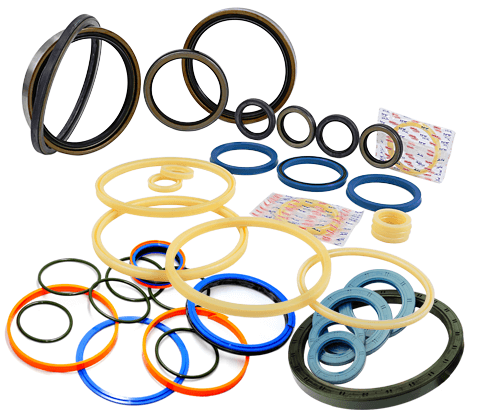
When it is time to replace, choose the right set of hydraulic seals by machine generation and rod diameter so the seal grips tightly from the start.
When do cylinder seals need replacing
There are a few clear markers: oil that keeps running even after the rod is wiped clean, a rod that drifts freely with the machine off, or an arm that clearly weakens under load. At that point the seal has aged out or been cut. Do not replace only the one seal that gapped; replace the whole set, because the remaining seals have worn about the same amount. The full procedure is in the guide on replacing cylinder seals.
Choosing seals: genuine, PET Seals, or aftermarket?
Seal quality decides whether the machine leaks again soon. For a quality option, PET Seals is the line we distribute and trust for its stable material and precise seal cross-section, which grips the rod evenly and stands up to dusty working conditions. Alongside that there are genuine seals matched to the machine and common aftermarket parts for older generations. What matters is choosing the right size and material, not grabbing a cheap seal with the wrong cross-section.
You can browse the hydraulic seal parts catalog to look up the correct set for each pump and cylinder line.
How does rod surface finish affect seal life?
A seal needs a surface smooth enough to hold a thin oil film, but not so polished that it wipes all the oil away. Sealing documentation from SKF stresses that rod surface roughness directly affects leakage and seal life. That is why a carelessly re-chromed rod, too glossy or too coarse, wears seals out quickly. When re-plating a rod, ask the shop to hit the correct finish rather than just make it shiny.
Keep the hydraulic oil clean so seals last
Seals wear from the inside as well, not just the outside. Dirty oil, mixed with water or metal grit, abrades the seals from inside the cylinder. Change the oil and filter on schedule, keep the tank cap sealed, and never pour oil through a dirty funnel. Clean oil helps the pump, valves, and cylinder all last longer. When the oil turns milky or smells burnt, that signals water contamination or overheating, so deal with it before it wrecks the seals.
Inspect on a fixed schedule
Do not wait until oil is leaking to look at the cylinder. Each week, spend a few minutes running your hand along the rod for scratches, pits, or a strange oil film. Each month, look closely at the wiper and the flange fasteners. Note the inspection date so you know which seal set is coming due.
Storing a cylinder removed from the machine
When you remove a cylinder for repair or while waiting for seals, do not let it roll around on the shop floor. Cap the oil ports so dust cannot get in, rest the rod on a clean stand, and avoid letting the rod bear directly on the concrete. A rod rolled on a hard floor can pick up a scratch the eye misses. Wrap the rod in clean cloth if it will sit for a long time. A few careful minutes during removal save you from re-plating a rod over a silly scratch on the shop floor.
Common maintenance mistakes
Many people quietly wreck seals while thinking they are caring for the machine. The most common mistakes:
- Using a rag loaded with sand or iron filings to wipe the rod.
- Aiming a high-pressure wash straight at the rod neck, forcing water past the wiper.
- Leaving the rod extended through the rainy season without a rust-preventing coat.
- Replacing only the one gapping seal instead of the whole set.
- Fitting a seal the wrong way around or with the wrong cross-section just to save money.
Avoid these five and you are ahead of most early leak failures.
Re-plate the rod or replace it when pitting is severe?
Light pitting scattered outside the seal working zone can be smoothed and kept in service. Deep pitting sitting right on the seal path should be re-plated or the rod replaced. Re-plating is cheaper but demands a skilled shop and the correct finish. If the rod is already bent or too deeply pitted, a new rod is the safer route for the whole seal set.
Quick comparison: a cared-for rod versus a neglected one
| Criterion | Maintained rod | Neglected rod |
|---|---|---|
| Surface | Clean, smooth, no roughness | Mud crust, visible pits |
| Wiper seal | Still soft, tight grip | Glazed, cracked, gapping |
| Oil leak | Dry rod neck | Weeping around the rod |
| Repair cost | Scheduled seal change | Split cylinder, re-plate rod |
The table shows the cost gap between wiping the rod daily and leaving it until it fails hard.
Quick wipe-and-check routine at end of shift
- Retract the rod to the shortest position possible.
- Wipe the exposed rod with a soft, clean rag.
- Run your hand along the rod for scratches or pit roughness.
- Look around the rod neck for any oil film.
- If the machine will sit a while, apply a thin rust-preventing oil coat.
The whole routine takes only a few minutes but is the heart of daily hydraulic cylinder maintenance.
When to bring the machine into the shop
If oil keeps running, the rod is clearly bent, or the arm drifts strongly with the engine off, do not keep working it. Running with a failed seal lets dust flood in, scores the rod further, and can ruin the whole cylinder. Bringing the machine in to remove, inspect the rod, and replace the full seal set properly is cheaper in the long run.
Wrapping up the habits that keep seals lasting
Hydraulic cylinder maintenance boils down to a few habits: wipe the rod each shift, avoid knocks, guard against rust when idle, keep the oil clean, and replace the full seal set on time. No expensive tools are needed, only consistency. A clean, smooth rod is the cheapest insurance for the whole cylinder.
Need the right seal set for your machine generation? See the hydraulic seals range at Viet Trung Hai or call the technical team to look up the correct size.
Key takeaways
- Keeping the rod clean and smooth is the most important part of hydraulic cylinder maintenance.
- Wipe the exposed rod after every shift so mud and sand do not cut the seals.
- Pitting and knocks quietly cut seals, so prevent them early.
- Guard against rust when idle by retracting the rod and applying a preservation coat.
- When replacing, change the whole seal set and choose the right size and material.
- Clean oil and a correct rod finish keep seals lasting and prevent early leaks.
Written by
Lê Minh Tuấn
Lê Minh Tuấn handles scheduled maintenance and machine longevity at Việt Trung Hải. He writes about oil, filters, service intervals and the habits that keep machines running reliably.
Related parts
The exact parts discussed above — send your machine model or pump code to match.