Quick answer
Hydraulic oil overheating usually comes from internal pump or motor leakage, a dirty cooler, clogged filters, low oil, wrong oil or overload. The right approach is to check the cooler, oil level and filters first, then measure pressure to find internal leakage while the machine is still hot.
Hydraulic oil overheating is when the oil runs hotter than the safe limit, making the machine weak, wearing seals fast and degrading the oil. It is both a fault and a sign of another fault in the hydraulic system. This guide helps you understand why the oil overheats, how to narrow the cause from the cooler to internal pump leakage, and how to fix and prevent it.
What is hydraulic oil overheating?
Hydraulic oil overheating is when the oil temperature passes the safe limit the maker specifies. The hydraulic system always makes heat when working, but normally the cooler and enough oil hold the temperature within range. When more heat is made than the cooling can shed, the oil warms and passes the limit. Overheated oil thins, raises internal leakage and speeds up damage, so handle it early.
7 causes of hydraulic oil overheating
- Internal pump or motor leakage: pressure turns into heat as oil slips through worn gaps.
- A dirty, blocked cooler or weak fan: the heat cannot escape.
- A clogged hydraulic filter: choked flow makes heat.
- Low oil: heat concentrates in a smaller volume, warming fast.
- Wrong oil or viscosity: oil too thick or too thin both make heat.
- A relief valve venting continuously: oil across the valve turns pressure into heat.
- Prolonged overload: overworking the machine makes the system generate more heat.
These seven split into two groups: poor cooling (cooler, fan, oil, filter) and excess heat (internal leakage, valve, overload).
What oil temperature is too hot?
Each maker has its own safe temperature limit for hydraulic oil, usually in the machine documentation. In practice, when you cannot hold a hand on the tank, the oil smells burnt or turns dark, or the temperature gauge reads the red zone, the oil is too hot. Rather than trying to memorise a number, compare against the maker's limit for the model and watch these signs. When you suspect overheating, stop the machine to cool and then check.
Why does internal pump leakage heat the oil?
Internal leakage is the most overlooked overheating cause. When the rotary group or motor wears, high-pressure oil slips through the gaps to the low-pressure side without doing work, and all that energy turns into heat. The more it wears, the more oil slips and the more heat is made, and hot oil thins so even more slips. This loop makes the machine both hot and progressively weak. That is why overheating with a weak machine usually points to the pump or motor.
Symptom-to-suspect table for overheating
| Symptom | Suspect | Check |
|---|---|---|
| Hot with the machine fading | Internal pump or motor leakage | Pressure test while hot |
| Hot but still strong | Cooler, fan | Cooler, fan, cooling fins |
| Hot with weakness and noise | Clogged filter, low oil | Filter, oil level |
| Hot in cold weather at start-up | Oil too thick, wrong type | Oil type, viscosity |
| Hot under prolonged heavy load | Overload, venting valve | Work mode, relief valve |
Use this table for a quick narrow-down; the final call needs a direct check and a pressure test.
Cooler and fan: the overlooked causes
Many overheating cases are really just a dirty cooler or a weak fan, not yet a failed pump. An oil cooler caked with dust, dirt or dried mud cannot shed heat. Dented cooling fins, a worn fan or a slack fan belt all cut cooling. This is good news, since this group is cheap and easy to fix. Cleaning the cooler and checking the fan should be the first step when the machine is hot but still strong.
Clogged filters and low oil causing overheating
A clogged hydraulic filter chokes the oil flow, creating friction and heat. Low oil concentrates the same heat in less oil, so it warms fast with less time to shed heat in the tank. Both are cheap causes, easy to check, and worth ruling out early. Checking the oil level on the sight glass and the filter condition is the first thing to do when the oil runs unusually hot.
How do wrong oil and viscosity matter?
Hydraulic oil has a viscosity suited to the machine design and climate. Oil too thick in cold weather is hard for the pump to push, making friction and heat at start-up. Oil too thin when hot raises internal leakage, also making heat. Using the wrong oil or mixing several types shifts viscosity away from the design. Choosing the correct oil and viscosity as recommended is a cheap way to cut heat generation.
What damage does overheated oil cause?
Prolonged overheating causes wide damage. Thinned oil weakens the lubricating film, raising metal friction and wearing the pump and motors. High heat hardens and cracks seals and gaskets, causing leaks. The oil oxidises fast, forms deposits and loses its lubricating power. In other words, overheating is both an effect and a cause of damage, so left long it drags in a string of other faults.
When is overheating dangerous, and should you keep working?
When the oil is only a little hotter than normal, watch it and find the cause early. When it is clearly too hot, smells burnt or the gauge reads red, do not carry on working. Running on with overheated oil damages seals, wears the pump and degrades the oil very fast. The safe rule is to stop and cool, find the cause, then run again. Forcing the machine when the oil is too hot usually pushes the repair cost much higher.
How to diagnose hydraulic oil overheating, step by step
- Clean and check the cooler, fan and fan belt.
- Check the oil level and filter condition; low oil or a clogged filter is a cheap cause.
- Check the oil type and viscosity against the maker's recommendation.
- See whether the machine fades as it heats, which signals internal leakage.
- Measure pressure with the oil hot to find internal pump or motor leakage.
- Check whether the relief valve is venting continuously.
Diagnosing from cheap cooling causes to expensive internal leakage avoids opening the pump too soon.
How to fix hydraulic oil overheating
Fix by the right group of causes. If cooling is poor, clean the cooler, service the fan and top up the oil. If a filter is clogged, fit the correct filter. If the oil is wrong, change to the correct type and viscosity. If internal pump or motor leakage is the cause, measure pressure and consider replacing the rotary group or a rebuild. If it is overload, adjust the work mode sensibly. Pinning the right group cures it for good rather than just topping up oil.
How to prevent hydraulic oil overheating
Cleaning the cooler regularly, keeping the oil level full, changing oil and filters on schedule, using the correct oil, and avoiding prolonged overload are effective preventive steps. Check the fan and belt at service, and act early when the machine runs hotter than usual. Preventing overheating also protects the pump, motors and seals from early damage.
Quick field checks
An owner can check when the machine runs hot. Read the oil-temperature gauge if fitted, look at the cooler for caked dust or dirt, check the fan and belt, and read the oil level on the sight glass. Note whether the machine fades as it heats. Record under what conditions the heat rises, heavy or light load. This information helps a mechanic diagnose faster and more accurately.
When should it go to a workshop?
Cleaning the cooler, changing a filter or topping up oil can be done in the field. But when you suspect internal pump or motor leakage and need a deep pressure test or to open the pump, take it to a workshop with tools and a clean environment. If you have handled every cooling cause and the oil still overheats with a weak machine, that is when a deep pump diagnosis is needed.
What drives the cost?
Cost depends on the cause. Cleaning the cooler, changing a filter or topping up oil is cheap. Servicing the fan or changing to the correct oil is mid-range. Replacing a rotary group or motor for internal leakage is much higher. So diagnose cheap-to-expensive before repairing. When getting a quote, describe under what conditions the machine runs hot and send the machine model so the supplier advises closely.
The link between overheating and a weak machine
Overheating and a weak machine often come together when the cause is internal pump leakage. Internal leakage both drops pressure, making the machine weak, and turns pressure into heat, warming the oil. So when the machine is both hot and fading after running a while, the pump or motor is likely worn. Read the excavator-low-on-power and weak-hydraulic-pump guides to fully diagnose this symptom group.
Common mistakes with overheating oil
- Just adding cooler oil without finding the heat source.
- Skipping cooler cleaning and the fan check.
- Working on with the oil already too hot, damaging seals and pump.
- Using the wrong oil, shifting viscosity and making more heat.
- Not measuring pressure while hot, so missing internal pump leakage.
How often should you clean the cooler?
The cooler needs regular cleaning, more often if the machine works in dusty places. Dust packed between the cooling fins clearly cuts heat shedding, and this is a very common overheating cause that is easily overlooked. Washing the cooler properly without denting the fins, and checking the fan and belt at the same time, is a good habit. For machines working a dusty dry season, check the cooler more often than usual.
Record when the machine runs hot for faster diagnosis
Recording when the machine runs hot, heavy or light load, hot or mild weather, and hot with weakness or still strong, helps a mechanic pin the cause. If it is hot only under prolonged heavy load, suspect cooling or overload; if hot with fading, suspect internal leakage. These simple observations, recorded clearly, shorten diagnosis and avoid opening the pump before it is needed.
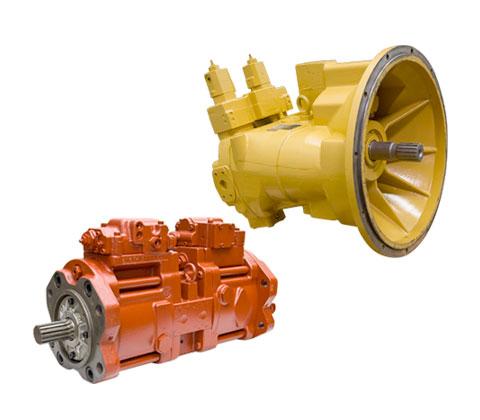
When you need hydraulic-pump parts or a hydraulic rotary group to fix hydraulic oil overheating from internal pump leakage, describe when the machine runs hot and send the machine model and the Việt Trung Hải technical team will advise. Read more in excavator low on power, weak hydraulic pump: 7 causes and hydraulic pump noise. For operating documentation, refer to the maker such as Kobelco.
Key takeaways
- Hydraulic oil overheats from poor cooling or excess heat generation.
- Hot but strong usually means the cooler, fan, oil or filter.
- Hot with the machine fading usually means internal pump or motor leakage.
- Check the cooler, fan, oil level and filter before suspecting the pump.
- Do not keep working with overheated oil, to avoid seal and pump damage.
- Cleaning the cooler and changing oil and filters on schedule prevents overheating.
Written by
Nguyễn Văn Hùng
Nguyễn Văn Hùng diagnoses excavator faults by symptom — sounds, heat and how the machine responds. He writes the guides that separate causes and lay out repairs from cheap to expensive, based on hands-on workshop experience.
Related parts
The exact parts discussed above — send your machine model or pump code to match.