Quick answer
Hydraulic pump noise is a signal worth heeding: a whine usually means low oil or air ingress, a knock means a worn rotary group or pressure loss, and a rattle means cavitation when the pump cannot draw enough oil. Reading the sound narrows the cause before removing the pump.
A noisy hydraulic pump is one of the earliest and easiest signs that the hydraulic system has a problem. Each kind of sound — whine, squeal, knock or rattle — points to a different group of causes. This guide helps you listen for and tell apart the sounds, narrow the cause, and know when a noise is a danger sign that means stopping the machine at once.
What does hydraulic pump noise signal?
Hydraulic pump noise means the pump makes an odd sound different from its normal smooth run. The sound shows something is wrong inside the pump or the oil path: low oil, air ingress, worn parts or unstable pressure. Since the pump is the heart of the hydraulic system, its noise is a valuable early-diagnosis channel. Listening at the right time lets you act before the damage worsens.
6 kinds of noise and what they mean
Here are the common sounds and the suspects they point to:
- High whine, steady squeal: usually low oil or air in the suction line.
- Rhythmic knock or tap: suspect a worn rotary group or pressure loss in the pump.
- Rattle, like gravel: a sign of cavitation when the pump cannot draw enough oil.
- Low drone under heavy load: possibly overload or a wrong pressure setting.
- Squeal when the oil is hot: suspect internal leakage rising with heat.
- Metallic grinding: a warning of heavy wear — stop and inspect.
Reading the sound correctly is the first step to narrowing things down without guessing.
What does a whine or high squeal mean?
A whine or high squeal is the most common sound and usually less dangerous if handled early. The leading cause is low oil or air in the suction line. When the oil carries bubbles, the pump works with a broken oil flow and whines. Checking the oil level, suction clamps and suction filter usually cures this sound. Left to run, the bubbles gradually erode the surfaces inside the pump.
What does a knock or tap mean?
A knock or tap timed with the pump's rotation is more worrying. It usually shows worn internals, large clearances, or pressure dropping and rebounding in the pump. When you hear a clear knock under load, the rotary group is likely worn and needs a pressure check. Do not ignore a knock, as it can progress fast into heavy damage.
Rattle and cavitation
A rattle like gravel in the pump is usually a sign of cavitation. This is when the pump cannot draw enough oil, creating a low-pressure zone that forms bubbles which then collapse and erode the surfaces. Common causes are a clogged suction filter, low oil, oil too thick in cold weather, or a leaking suction line. Prolonged cavitation is very harmful, so address this sound as soon as you hear it.
Noise-to-cause table
| Sound | Suspect | Check |
|---|---|---|
| Whine, high squeal | Low oil, air ingress | Oil level, clamps, suction filter |
| Knock, rhythmic tap | Worn rotary group, pressure loss | Pressure test, internal leak |
| Rattle, gravel | Cavitation | Suction filter, oil viscosity, suction line |
| Low drone under load | Overload, wrong pressure | Main pressure, work mode |
| Metallic grinding | Heavy wear | Stop, open and inspect |
Use this table for a quick narrow-down; the final call still needs a pressure test and direct inspection.
When is hydraulic pump noise dangerous?
Not every sound is equally dangerous. A whine from low oil is usually a fast fix. But a hard knock, metallic grinding, or noise with pressure loss and hot oil are serious signs that mean stopping at once. Running on with a loudly-noisy pump can shatter parts, spread metal debris through the system and damage valves and motors. When in doubt, stopping is always the safer choice.
How to diagnose a noisy hydraulic pump, step by step
Diagnose the noise from cheap causes to expensive:
- Check oil level and colour; low oil or foamy oil is the leading cause.
- Check the suction filter and line for clogging or leaks.
- Listen carefully to identify the sound: whine, knock or rattle.
- Measure main and pilot pressure if a knock suggests the rotary group.
- Note oil temperature and machine condition when the noise appears.
- If the sound is metallic grinding, stop and open for inspection.
This order lets you fix the real cause without rushing to remove the pump.
Air ingress and low oil: the most common noise causes
Most noisy-pump cases start with air ingress or low oil, not yet heavy damage. A leaking suction line, loose clamps, or a hardened suction gasket all let air in and foam the oil. A low oil level also makes the pump draw air. This is good news, since these causes are cheap and easy to fix if caught early. Check the suction line carefully before thinking about opening the pump.
When does noise signal the rotary group is failing?
When the noise turns into a hard knock under load, with the machine fading and the oil heating fast, the rotary group is significantly worn. A pressure test then usually shows pressure will not build. If metal debris also appears in the oil or filter, the pump is likely failing inside. Caught at this stage there is still time to replace the rotary group; leaving it later may mean replacing the whole pump.
Should you keep running when the pump is noisy?
With a light whine from low oil, you can fix it and run on. But with a hard knock or grinding, do not keep running. Every minute of running a badly-damaged pump spreads metal debris and raises the repair cost. The safe rule is: the heavier and more metallic the noise, the sooner you should stop. When unsure, stop and check rather than risk it.
How to prevent hydraulic pump noise
Keeping the oil clean and full, changing filters on schedule, and checking the suction line regularly are the three most effective preventive steps. Do not let the oil level drop, replace the suction gasket when it hardens, and use the correct oil for the climate so it is not too thick when cold. Handling any odd noise early stops small faults becoming big ones.
Quick field checks
When you hear the pump, an owner can run a few checks on site. Read the oil level and foam on the sight glass, listen carefully to identify the sound, touch the pump body and tank for heat, and check the suction clamps for looseness. Note when the noise appears, under heavy or light load, hot or cold. This information helps a mechanic diagnose faster and more accurately.
When should the pump go to a workshop?
Checking oil, tightening the suction line or changing a filter can be done in the field. But when you suspect a worn rotary group and need a deep pressure test or to open the pump, take it to a clean workshop with the right tools. Opening a pump in a dusty setting easily contaminates the parts and causes fresh damage. If you have handled the cheap causes and the pump still runs noisy, that is when a deep diagnosis is needed.
What drives the cost of fixing a noisy pump?
Cost depends on the cause. If it is just low oil, a loose clamp or a clogged filter, the cost is very low. If it is a suction gasket or a valve, it is mid-range. If the rotary group is worn, it is much higher. So reading the sound and cause correctly before replacing avoids paying for parts you do not need. When getting a quote, describe the sound and send the machine model so the supplier advises closely.
Common mistakes with a noisy hydraulic pump
- Ignoring a light noise until the pump is badly damaged.
- Running on after hearing a knock or metallic grinding.
- Just topping up oil without finding the air leak.
- Removing the pump before ruling out the suction line and filter.
- Not noting the type of sound, so describing it wrong to the mechanic.
What does noise changing with load tell you?
How the noise changes with load is an important clue. If the pump is noisy only under heavy load and quiet at no load, it usually relates to pressure and internal wear. If it is noisy even at no load, air ingress or low oil is likely. If the noise grows the longer it runs and with heat, that signals internal leakage rising with temperature. Watching the link between noise and load narrows the cause far faster than a single listen.
Telling pump noise from motor or valve noise
Not every noise in the hydraulic system comes from the pump. The swing motor, travel motor and control valve can also make odd sounds. To tell them apart, note which function brings on the noise: if it is only during swing, suspect the swing motor; only during travel, the travel motor. Pump noise is usually present across most functions and changes with throttle. Pinning the right source stops you replacing the pump when the fault is a motor or valve.
How oil and temperature affect the noise
Oil and temperature directly affect pump noise. Oil too thick in cold weather makes the pump hard to prime, easily causing a rattle at start-up. Oil too thin when hot raises internal leakage and makes a squeal. Dirty oil with debris also makes the pump work harder. So when you hear the pump, always check the oil type, viscosity and temperature as part of the diagnosis, not just the mechanical side.
Why handle noise early?
Noise is the cheapest early warning the machine gives you. Fixing a whine from low oil takes little effort, but ignoring it and letting cavitation run can destroy the rotary group. Many heavy pump failures begin with a small noise that was brushed off. Treating every odd sound as something to check, rather than a habit of ignoring it, is the cheapest way to keep the pump reliable and avoid a sudden stop on site.
When you need hydraulic-pump parts or a hydraulic rotary group to fix a noisy hydraulic pump, describe the sound and send the machine model and the Việt Trung Hải technical team will advise. Read more in weak hydraulic pump: 7 causes, excavator low on power and hydraulic oil overheating. For pump-maker documentation, refer to Kawasaki.
Key takeaways
- Each pump-noise type points to a different group of causes.
- A whine usually means low oil or air ingress, easy to fix early.
- A hard knock suggests a worn rotary group and needs a pressure test.
- A rattle is cavitation and must be handled at once to avoid harming the pump.
- Metallic grinding is a serious sign that means stopping the machine.
- Noting the sound type and conditions helps diagnose faster.
Written by
Nguyễn Văn Hùng
Nguyễn Văn Hùng diagnoses excavator faults by symptom — sounds, heat and how the machine responds. He writes the guides that separate causes and lay out repairs from cheap to expensive, based on hands-on workshop experience.
Related parts
The exact parts discussed above — send your machine model or pump code to match.
Related products
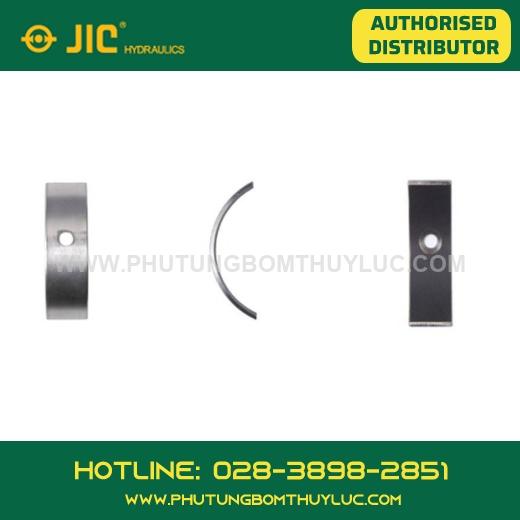 Kayaba (KYB) · PSVBushing – Kayaba PSVD2-17PSVD2On requestView · get a quote
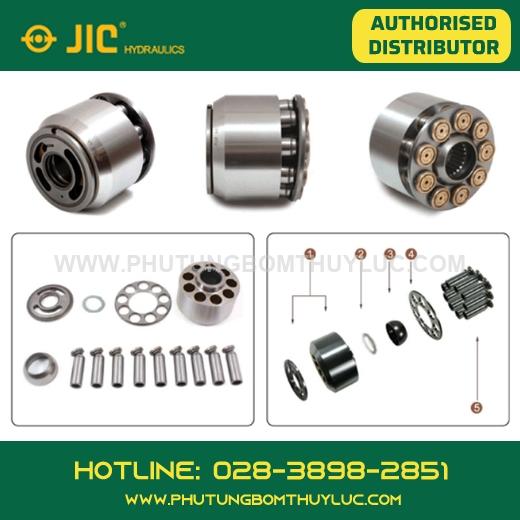 Kayaba (KYB) · PSVRotary group – Kayaba PSV2-55TPSV2On requestView · get a quote
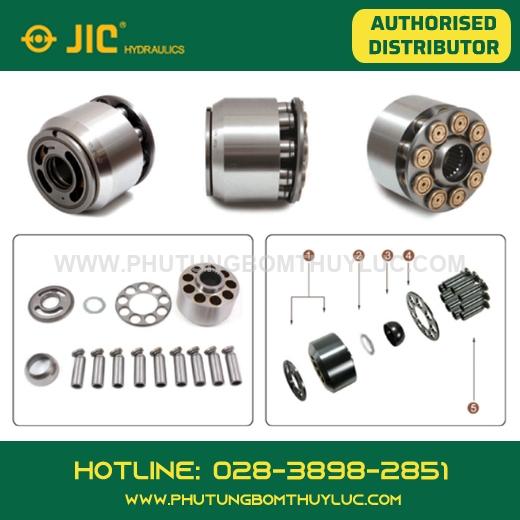 Kayaba (KYB) · PSVRotary group – Kayaba PSV2-60TPSV2On requestView · get a quote
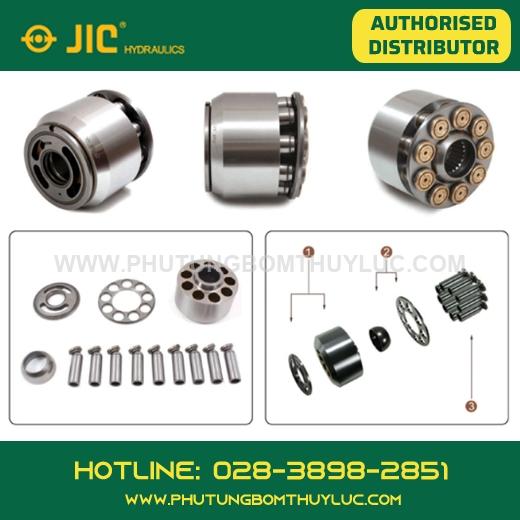 Kayaba (KYB) · PSVRotary group – Kayaba PSV2-63TPSV2On requestView · get a quote