Quick answer
A weak excavator hydraulic pump usually comes from seven causes: a worn rotary group, low oil or a clogged suction filter, a faulty regulator, a weak main relief valve, air in the system, the wrong oil, and a weak pilot pump. The right fix is to diagnose cheapest-first and measure pressure before opening the pump.
The hydraulic pump is the heart of an excavator. When it goes weak, every lift, dig and swing gets slow and loses force even though the engine still runs strong. In the cases we see in the workshop, most "weak machine" problems trace back to the main pump or the oil supply — and there are seven causes that come up again and again. This guide goes from the symptoms, to telling faults apart, to the seven causes with how to check each, to measuring pressure and prevention, so you can pinpoint the right spot before spending money opening the pump.
Signs of a weak hydraulic pump
Before you remove anything, confirm the symptom. A weak hydraulic pump on an excavator usually shows a few clear signs:
- Boom, arm or swing move noticeably slower under load, even at full throttle.
- The machine is strong on start-up but fades after 20–40 minutes as the oil heats up.
- It stalls in hard digging — the throttle rises but the force does not follow.
- A whine inside the pump, or an unusually hot pump body to the touch.
- Cylinder speeds slow evenly and the cycle time gets longer than normal.
The timing of the symptom matters. If the machine is weak from the moment it starts, suspect the oil supply or a valve; if it is strong when cold and fades as it heats up, internal leakage in the pump is likely, as clearances open with heat.
Telling a weak pump from a weak valve or low oil
Many people jump to "the pump is bad" when the fault is elsewhere and far cheaper. A quick rule:
- If the machine is weak evenly across all functions, the source is usually the main pump, oil supply or pilot pressure.
- If only one function is weak while the others are normal, suspect that function's valve or motor first.
- If it is weak with foaming oil, it usually relates to the suction line and oil level.
- If it is weak with fast-heating oil, that points to internal leakage turning pressure into heat.
This rule keeps you from overhauling a pump needlessly when the fault is a dirty filter or a stuck valve.
Seven causes of a weak hydraulic pump — and how to check
1. Worn rotary group
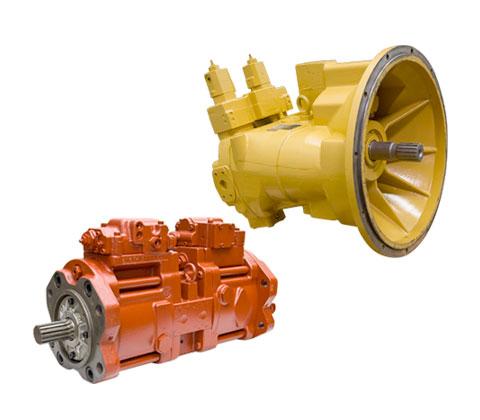
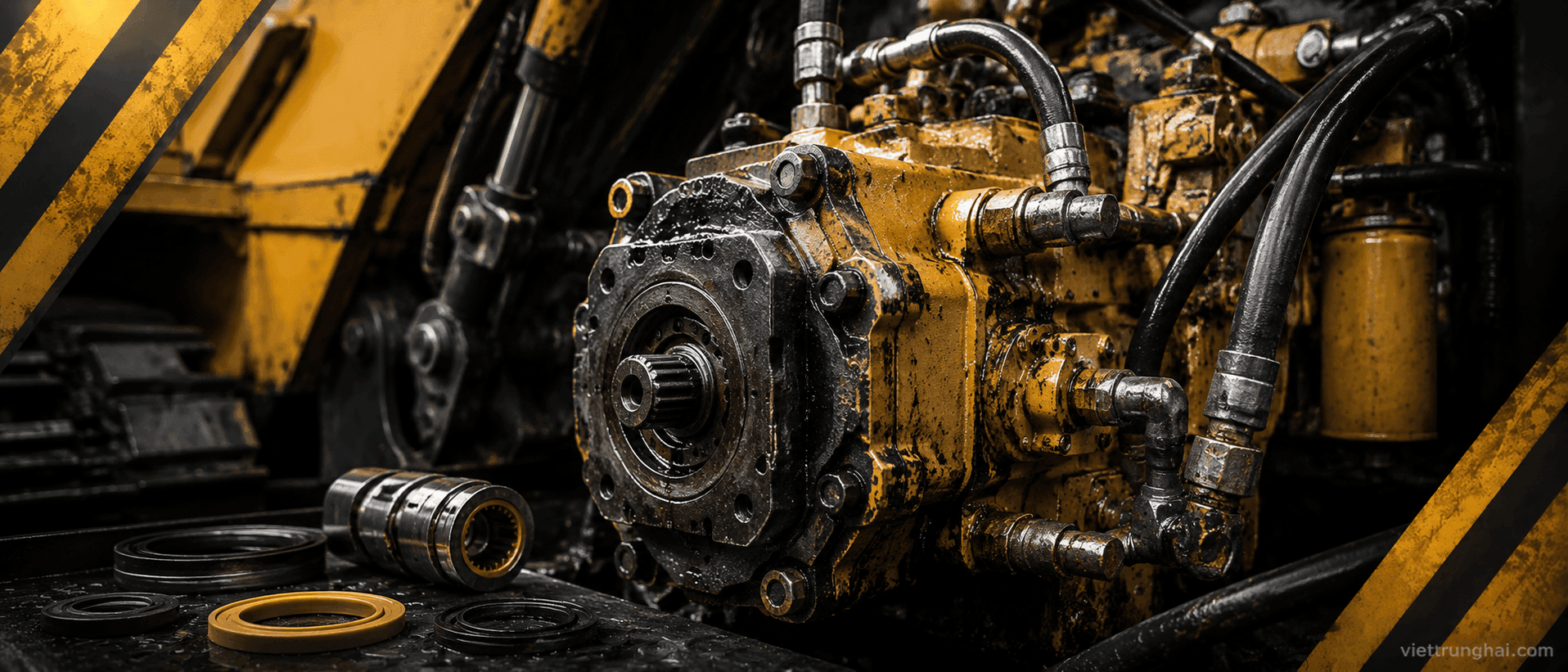
The most common and most expensive cause. The pistons, shoes, swash plate and valve plate wear over time and let oil leak inside the pump, turning pressure into heat instead of force — so fading power with hot oil is the classic signature. How to check: measure main pressure; if it will not reach spec and drops fast under load while the valves and oil supply are good, suspect the rotary group, and on teardown look for scoring on the valve plate and shoe wear. Fit a matched set by pump code, not piecemeal, because the parts mesh to fine tolerances. A classic case we see often is a Kawasaki K3V112 on a 20-ton class excavator: after long hours of heavy work the piston shoes and valve plate wear, the pump loses flow once the oil is hot, and the boom fades under heavy load while staying strong when cold; on teardown you typically find fan-shaped scoring on the valve plate and play in the shoes. For parts held to such fine tolerances we prefer genuine components such as JIC Hydraulics, distributed by Việt Trung Hải, for the material quality, machining precision and durability under heavy load.
2. Low oil or a clogged suction filter
Low oil, or a suction strainer fouled with debris, starves the pump. This is the cheapest fault but the most skipped. How to check: read the sight glass, look at the oil's colour and smell, and pull the suction filter to check for metal or sludge. Always check these before opening the pump.
3. A faulty or mis-set regulator
The regulator controls the swash-plate angle and meters flow to the load. Stuck, worn or mis-adjusted, the pump never reaches full output even with a good rotary group. How to check: watch for slow loading and weak end-of-stroke force, check the control signal and pilot line to the regulator, and compare settings to the maker's data.
4. A weak or stuck main relief valve
The relief valve holds maximum system pressure. Weak, stuck or mis-set, it bleeds pressure early and the machine loses force under heavy work. How to check: measure pressure at stall (holding maximum load); if it is below the maker's spec while the pump is good, suspect the valve.
5. Air in the system
Air through the suction line, past the shaft seal, or left after a repair makes the pump foam, gives erratic force and odd noise. How to check: look for bubbles in the tank sight glass and inspect suction joints and the shaft seal for leaks. Bleed the air after any pump or pipework job.
6. Wrong oil or viscosity
The wrong viscosity pushes the pump off its design point: too thin leaks internally, too thick draws poorly, especially cold or when the oil is old. How to check: compare the oil in use to the maker's recommendation for the climate, and look for cloudy, watery or discoloured oil.
7. A weak pilot pump / low pilot pressure
Pilot pressure commands the main pump to load and the valves to move. Weak or low, the main pump is never commanded to full output even when it is fine, leaving the machine sluggish. How to check: measure pilot pressure at the test port against spec, and check the pilot filter and reducing valve.
Quick table: cause, sign, check and fix
| Cause | Typical sign | Quick check | Fix |
|---|---|---|---|
| Worn rotary group | Fades + hot oil | Measure main pressure, inspect valve plate | Replace as a matched set |
| Low oil / clogged suction filter | Weak, foaming | Sight glass, pull suction filter | Top up, clean or replace filter |
| Faulty regulator | Never reaches full power | Check signal, compare settings | Adjust or replace regulator |
| Weak relief valve | Loses force under load | Measure at stall | Adjust or replace valve |
| Air in system | Erratic force, noise | Look for bubbles, check suction | Bleed air, check shaft seal |
| Wrong oil / viscosity | Weak hot or cold | Compare oil, inspect oil | Fit correct oil |
| Weak pilot pump | Sluggish, heavy controls | Measure pilot pressure | Check pilot pump and filter |
Measuring pressure to diagnose accurately
Measuring pressure is the clearest way to separate a pump fault from a valve or oil-supply fault. With the right gauge, technicians measure at the test ports and compare to the maker's spec for the exact model:
| Test point | If it is low | Note |
|---|---|---|
| Main relief | Weak/stuck valve or weak pump | Measure at full-load stall |
| Pilot | Weak pilot pump, lost control | Affects main-pump loading |
| Standby | Regulator or spring wrong | Pressure at no load |
The key rule: always use the maker's standard pressures for the model — never guess a number. If you do not have the data, check the maker's technical support site, for example Caterpillar, before concluding.
Cheapest-first diagnostic process
Good technicians rule out the cheap, easy causes first:
- Check oil level, oil colour and the suction filter.
- Measure main and pilot pressure against the maker's spec for the model.
- Check the regulator and relief valve.
- Check the pilot pump and control lines.
- Only then open the pump to inspect the rotary group.
This order stops you overhauling a pump when the real fault was a dirty filter or low oil.
How to prevent a weak hydraulic pump
Most weak-pump cases can be delayed or avoided with proper maintenance:
- Change hydraulic oil and filters on schedule by machine hours, using the correct oil.
- Keep the oil clean: dirty or watery oil is the number-one cause of early rotary-group wear.
- Do not work the machine with overheated oil; check the cooler and fan.
- Bleed the air properly after any hydraulic repair.
- Act early on small signs (slight sluggishness, mild heat) rather than waiting for total loss of power.
What to fix first to save money
Honestly, a weak machine does not always mean a new rotary group. If the oil, filter, regulator and valves are all fine and the pump is still weak with hot oil, that is when a new rotary group is truly worth it. Measuring pressure before teardown is the single most important step, because it separates an oil-supply fault and a valve fault from a fault inside the pump. If you are weighing repair against replacement, read replace the rotary group or the whole pump to balance the cost against the machine's condition.
When you need the right rotary group or hydraulic-pump parts for your model, send the pump code or machine model and the Việt Trung Hải technical team will match it exactly. For each model's standard pressure spec, refer to the maker's own documentation such as Caterpillar to get the right number for your machine.
Common mistakes when fixing a weak pump
When fixing a weak pump, owners often make a few mistakes that cost money without curing the fault:
- Rushing to replace the rotary group before measuring pressure, when the real fault is a dirty filter or a stuck valve.
- Fitting rotary-group parts piecemeal instead of a matched set by code, so tolerances drift and it fails again.
- Ignoring the oil supply and oil cleanliness, letting dirty oil wear the new rotary group fast.
- Not re-calibrating pressure and flow after fitting, so the machine runs off its design point.
- Skipping the air bleed after a repair, so erratic force gets mistaken for a still-weak pump.
Avoiding these gets the repair right the first time and saves both money and downtime.
Key takeaways
- A weak excavator hydraulic pump has 7 causes, from cheap (low oil, clogged filter) to expensive (worn rotary group).
- Fading power with hot oil is the classic sign of a worn rotary group.
- Always measure main and pilot pressure before opening the pump.
- Diagnose cheapest-first to avoid a needless pump overhaul.
- Measuring main, pilot and standby pressure separates pump, valve and oil-supply faults.
- Clean oil and on-schedule filter changes are the best prevention against a weak pump.
Written by
Nguyễn Văn Hùng
Nguyễn Văn Hùng diagnoses excavator faults by symptom — sounds, heat and how the machine responds. He writes the guides that separate causes and lay out repairs from cheap to expensive, based on hands-on workshop experience.
Related parts
The exact parts discussed above — send your machine model or pump code to match.
Related products
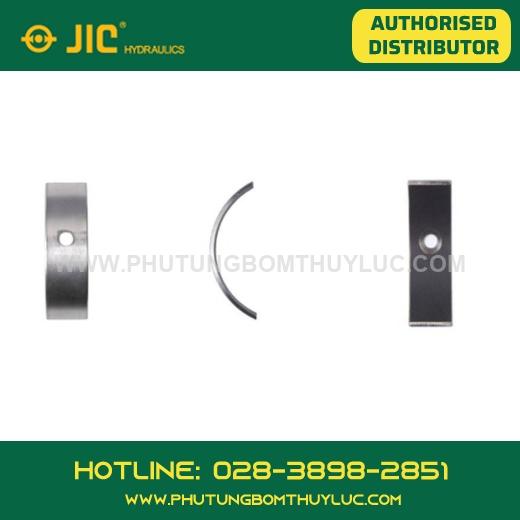 Kayaba (KYB) · PSVBushing – Kayaba PSVD2-17PSVD2On requestView · get a quote
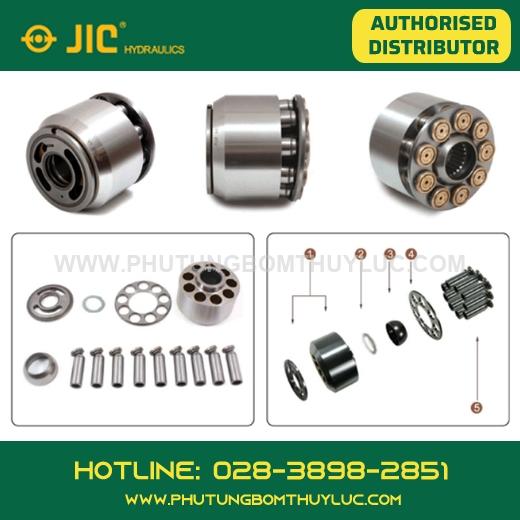 Kayaba (KYB) · PSVRotary group – Kayaba PSV2-55TPSV2On requestView · get a quote
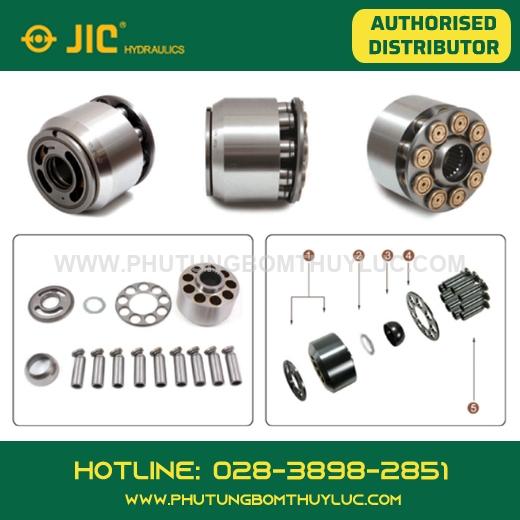 Kayaba (KYB) · PSVRotary group – Kayaba PSV2-60TPSV2On requestView · get a quote
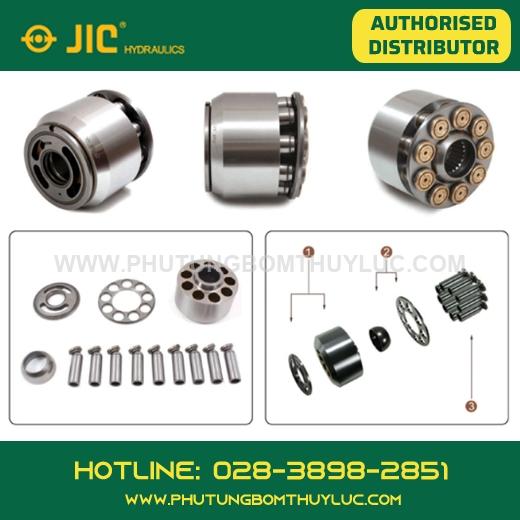 Kayaba (KYB) · PSVRotary group – Kayaba PSV2-63TPSV2On requestView · get a quote