Quick answer
A juddering excavator during operation almost always comes from unstable hydraulic oil flow, not a major mechanical failure. The causes run from cheap to expensive: air in the oil, a clogged filter, a sticking spool, unstable pilot pressure, and only then a worn pump. Check the cheap causes first so you do not replace the wrong part and waste money.
A juddering excavator is one where the boom, arm or swing moves in jerky steps instead of smoothly, even when you pull the joystick with a steady hand. This is almost always a problem in the hydraulic oil flow, not a major mechanical failure. The causes run from cheap to expensive: air in the oil, a clogged filter, a sticking spool, unstable pilot pressure, and finally a worn pump. The smart approach is to check the cheap causes first and the expensive ones last, so you do not replace the wrong part and waste money.
What does excavator juddering actually look like?
Juddering is discontinuous movement of the actuator. You pull the lever steadily, but the boom inches forward in steps, or the arm extends, stalls, then moves again. It feels as if the oil flow is broken into bursts rather than running as one stream. An experienced operator only needs a few minutes in the cab to recognise hydraulic judder.
One distinction matters: juddering is not the same as sluggishness. A slow machine moves evenly but weak and lazy. A juddering machine moves in jerky pulses. The two symptoms sometimes appear together, but the diagnostic path is not identical.
Why does an excavator judder during operation?
The root of every juddering excavator is unstable pressure and flow in the oil while you operate. Hydraulic oil must act as one solid, nearly incompressible column for force to transmit smoothly. When the flow carries air bubbles, hits a restriction, or a valve opens and closes unevenly, the pressure rises and falls. The actuator follows that, and the result is judder.
So diagnosing judder is really about finding where the oil flow loses its stability. There are five main groups of causes, and we will work from the cheapest and easiest to fix.
Air in the oil — the cheapest and most common cause
Air in the oil is the most common culprit and the easiest on your wallet. Air mixed into the oil forms tiny bubbles. Bubbles compress, so when the pump pushes oil forward, some of the force is absorbed by the bubbles and released unevenly. The result is jerky movement, especially at first start-up or while the oil is still cold.
Air gets in through several paths: oil level too low in the tank, a leaking suction line gasket, a loose hose clamp, or a hardened pump shaft seal. The suction line is the prime suspect because it sits on the low-pressure side; even a small gap draws air in. You usually will not see oil weeping at the suction line, because it pulls air in rather than pushing oil out.
How do you know air has entered the system?
There are a few clear field signs. First, the oil in the sight glass or tank shows cloudy white foam, frothing like soapy water. Second, the machine judders worst at the morning start-up and eases as the oil warms. Third, the pump makes an odd, uneven gurgling sound.
If the pump sounds abnormal alongside the judder, read our guide on a noisy hydraulic pump to tell aerated noise apart from noise caused by internal pump damage. Air noise usually disappears once the oil warms and once you retighten the suction line, while wear noise gets clearer the longer the machine runs.
A clogged hydraulic filter makes the flow stutter
The filter is the barrier that keeps dirt out of the system. When it packs with dirt too thickly, oil struggles to pass, and the flow becomes intermittent. Mild clogging just makes the machine lazy. Severe clogging makes the filter bypass valve open and close repeatedly, so pressure surges up and down, and you feel it straight through the joystick.
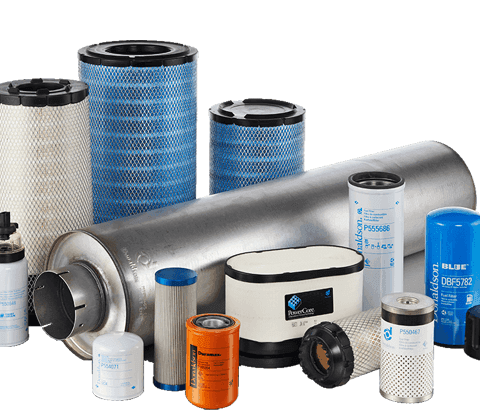
A clogged filter is often overlooked because it is cheap and hidden away. Many owners leave the filter long past due, and only look at it once the machine judders. Fitting the right hydraulic filters on the correct schedule is the cheapest job of all, yet it prevents many expensive failures downstream. Check both the return and the suction filter; do not look at just one.
A sticking spool in the control valve
The spool is the sliding sleeve inside the control valve that directs oil to each function. It must slide smoothly in the valve bore with a very tight clearance. When dirt, rust, or varnish from dirty oil builds up, the spool slides unevenly: sticky in places, free in others. You push the lever steadily but the spool moves in jerks, and the oil through the valve jerks with it.
A sticking spool usually causes judder in one specific function only, for example only when curling the arm while the other functions stay smooth. That is a valuable clue: if only one direction judders, the fault most likely sits in that function's own spool or pilot circuit, not in the shared pump. A failing pump usually makes every function weak and jerky.
Unstable pilot pressure makes the spool shift unevenly
On most modern excavators the joystick does not pull the spool directly; it acts through a low-pressure oil flow called pilot oil. You push the lever, and pilot oil pushes the spool. If the pilot pressure is unstable, the spool shifts jerkily, and every motion you make judders along with it.
Unstable pilot pressure can come from a weak pilot pump, a worn pilot reducing valve, a clogged pilot filter, or a worn joystick internally. It is a small circuit but it has a big effect on the feel of the controls. A healthy pilot circuit gives a light, crisp response; a weak one feels loose, jerky and delayed.
A worn pump — the most expensive cause
The pump is the heart of the system, and also the most expensive cause, so leave it to check last. Inside a piston pump, the slipper pads, swash plate and valve plate wear gradually with time and with the cleanliness of the oil. As they wear, the pump cannot hold a steady flow, especially under heavy load, so the delivered oil fluctuates and the machine judders.
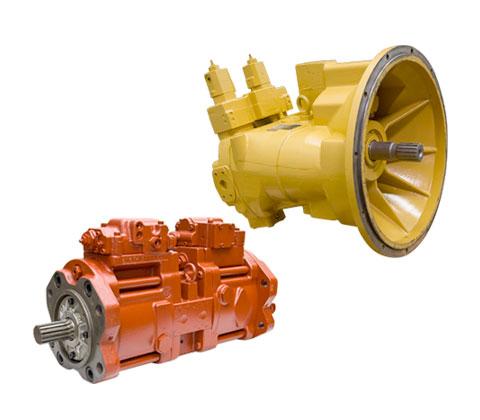
Judder from a worn pump is usually worse when the machine is hot and under heavy load, such as digging hard ground or lifting a fully loaded boom. Only after ruling out air, filter, spool and pilot, and the machine still judders under load, should you think about hydraulic rotary groups. Familiar piston pump families like K3V and K5V may all need a rotary group rebuild or a pump replacement once they reach age.
Diagnose in order, from cheap to expensive
The golden rule is not to jump straight to replacing the pump. The pump is expensive, and many juddering machines are jerky for a cheap reason. Follow the order so you do not waste money.
- Check the oil level and quality; look for foam and confirm there is enough oil.
- Check and retighten the whole suction line, hose clamps and gaskets.
- Replace the hydraulic filter if overdue or suspected clogged.
- Bleed the air from the system, then test run.
- Check the pilot circuit and joystick.
- Check the control valve spool.
- Only at the end, measure and assess the pump.
Follow this order and, in most cases, you will find the fault before you reach the most expensive step.
Quick table: symptom and where to check
The table below helps you narrow the field before you start dismantling.
| Symptom | Suspect first | Where to check |
|---|---|---|
| Strong judder at cold start, eases when warm | Air in oil | Oil level, suction line, pump seal |
| Cloudy white foam in the oil | Air in oil | Leaking suction line, low oil level |
| Machine is both lazy and jerky | Clogged filter | Return and suction filters |
| Only one function judders | Sticking spool | That function's spool and pilot |
| Light but loose, delayed control | Weak pilot pressure | Pilot pump, reducing valve, joystick |
| Heavy judder when hot and loaded | Worn pump | Flow measurement, rotary group check |
Check the oil level and suction line first
The first and cheapest job is to open the tank cap, check the oil level, and see whether the oil is foaming. A low level leaves the suction mouth uncovered and draws air in. Topping up with the correct oil to the right level is something anyone can do on the spot.
Next, trace the suction line from the tank to the pump. Retighten the clamps, check the flange gaskets, and feel for any loose spot. A leaking suction line is a silent fault: it does not weep oil, so it is hard to see, but it keeps drawing in air and causing judder. This is the spot most worth checking carefully among the cheap causes.
How to bleed the air correctly
After tightening the suction line and topping up the oil, you need to bleed the air to drive out any bubbles still trapped in the system. The basic method is to start the engine at low idle, let it run unloaded for a while, then gently work each function to full stroke and back, repeated several times. The bubbles gradually return to the tank with the oil and escape.
Do not rev hard or work heavy right after changing oil or opening a line. Let the system run gently so the air clears out first. If the machine still judders after a thorough bleed, the cause almost certainly lies elsewhere, and you have confidently ruled out the cheapest group.
When should you change the oil and filter?
Hydraulic oil has a service life. Used long enough, it oxidises, loses additives, and takes on water and sludge. Degraded oil foams more easily and lubricates worse, and both contribute to judder and pump wear. Changing the correct oil on the correct schedule is cheap insurance for the whole system.
Replace the filter on the manufacturer's recommended interval, and sooner if the machine works in a dusty environment. Change the filter at the same time as the oil. Pouring fresh oil into an old clogged filter is a waste. If your machine both judders and responds slowly, also read our guide on a slow-responding excavator, because these two faults often share the same root in oil and filters.
Juddering only when curling or extending the arm
When only the arm curl or extend judders while the boom and swing stay smooth, the problem most likely sits in the arm's own circuit. It could be a sticking arm spool, a dirty anti-drift valve on the arm cylinder, or a leaking arm cylinder seal that fails to hold pressure evenly.
This single-function clue is very valuable because it takes the pump off the suspect list. The pump feeds several functions in common; if the pump were the culprit, the other functions would judder too. So when only one direction is affected, focus on the valve and cylinder of that direction alone.
Juddering when lifting a heavy boom
Judder that appears or worsens when lifting a fully loaded boom points toward pressure and flow that are not firm enough under load. The suspect group includes a pump starting to wear, a leaking relief valve, or a leaking boom cylinder seal. Everything seems fine under light load, but when the machine has to concentrate force, the weak point shows.
This is where a load test is very useful. Try the same function under light load and heavy load, and compare the degree of judder. If it only judders under heavy load, prioritise the pump and relief valve. If it judders even under light load, go back to the air, filter and pilot group first.
Juddering during swing
Swing that steps in jerks can come from the swing motor, the swing circuit valve, or a swing brake that has not fully released. But do not overlook the shared possibility: if the swing judders and every other function judders too, the root is still oil, air, filter or the shared pump.
The way to tell them apart is to test each function one by one, systematically. Note which functions judder and which stay smooth. That overall picture tells you whether the fault sits in a single circuit or in the shared source. Good diagnosis always starts with disciplined observation, not guesswork.
How do oil temperature and viscosity affect it?
Cold oil is thick; hot oil is thin. As viscosity changes, the feel of the controls changes with it. A machine that judders a lot when cold and clears when warm usually points to air in the oil or the wrong oil viscosity. A machine that is smooth when cold but judders when hot points more toward a worn pump, because clearances open up and internal leakage rises with heat.
Using the correct recommended oil is a basic step many people neglect. Oil that is too thick is hard to draw and causes judder when cold; oil that is too thin worsens internal pump leakage when hot. According to the technical documentation from Volvo, choosing a viscosity grade suited to the working conditions and climate is a foundation for stable hydraulic operation.
Telling mechanical judder from hydraulic judder
Not all judder is hydraulic. Worn boom and bucket pins, and loose bushings, also cause shake and a clacking sound when reversing direction. The simple test: mechanical judder usually comes with metallic knocking and visible play at the pins; hydraulic judder is quieter in sound but the motion keeps hesitating in pulses.
Before diving into the hydraulics, rock the pins, check the play, and listen. Ruling out the mechanical side first keeps you from heading down the wrong path. Many cases that seem like a serious hydraulic fault turn out to be nothing more than an overly worn bucket pin.
Common mistakes when repairing it yourself
The number one mistake is replacing the pump the moment you feel judder. The pump is expensive, and most judder comes from air, filter or pilot. Replacing the pump without fixing dirty oil or a leaking suction line means the new pump will fail early too.
The second mistake is pouring fresh oil into an old clogged filter. The third is working heavy right after an oil change without bleeding the air. The fourth is skipping the observation step and pulling a part apart on a hunch. Hydraulic repair is won by disciplined observation, not by fast dismantling.
What to prepare before rebuilding the rotary group
If you have firmly diagnosed a worn pump, prepare carefully before opening it. Dust and grit are the enemy; the work area must be clean. Have fresh oil, a new filter, and the needed gaskets and seals ready, so the system is completely clean when you reassemble.
Choosing the right hydraulic-pump parts for your machine's model is important. Genuine parts and good aftermarket parts both have their place, depending on your budget and how hard the machine works; what to avoid is cheap, unbranded stock that fails again quickly. The cost of a rotary group rebuild varies with the pump's condition and the parts source, so let a technician assess it on site before you decide.
When should you take the machine to a specialist?
You can handle the cheap group yourself: checking oil, tightening the suction line, changing the filter, bleeding air. But once you get into measuring pressure, opening the control valve, or assessing the pump, you need proper tools and deeper experience. Opening a valve the wrong way can easily scratch the spool and turn a minor fault into a major one.
The safe rule: if you have exhausted the cheap causes and the machine still judders, that is the time to call an experienced technician with measuring gear. Getting the diagnosis right from the start is far cheaper than replacing one part after another by trial and error.
Need parts advice for a juddering machine?
A juddering excavator is mostly a disease of neglect: dirty oil, an overdue filter, and a loose suction line build up gradually and then erupt into symptoms. Keeping the oil clean, changing the filter on time, and retightening joints periodically is the cheapest way to keep the hydraulics running smoothly for the long haul. If you have narrowed down the cause and need the right parts, the Việt Trung Hải team can advise based on your machine's model and its real condition. From hydraulic filters for the cheap fix, to hydraulic rotary groups once the pump has reached age, we help you choose right so you do not have to repair it twice. Call us with your machine model and a description of the symptoms for the most precise advice.
Key takeaways
- A juddering excavator is almost always an oil-flow problem, not a major mechanical failure.
- Air in the oil is the cheapest and most common cause; check the oil level and suction line first.
- A clogged filter makes the flow stutter; fit the right filter on the correct schedule.
- Judder in only one function is usually a sticking spool or that function's pilot circuit.
- Heavy judder when hot and under load points more toward a worn pump.
- Diagnose from cheap to expensive so you do not replace the wrong part and waste money.
Written by
Nguyễn Văn Hùng
Nguyễn Văn Hùng diagnoses excavator faults by symptom — sounds, heat and how the machine responds. He writes the guides that separate causes and lay out repairs from cheap to expensive, based on hands-on workshop experience.
Related parts
The exact parts discussed above — send your machine model or pump code to match.
Related products
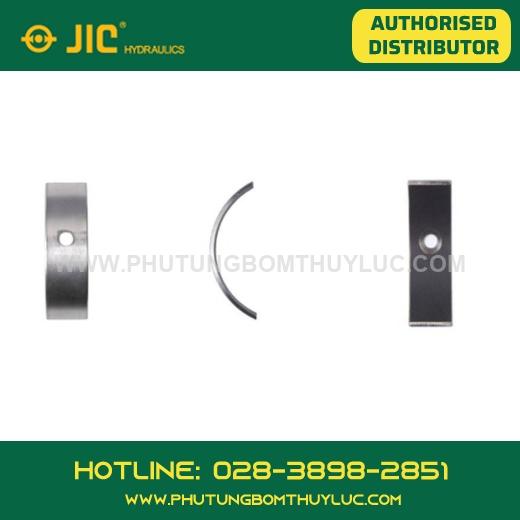 Kayaba (KYB) · PSVBushing – Kayaba PSVD2-17PSVD2On requestView · get a quote
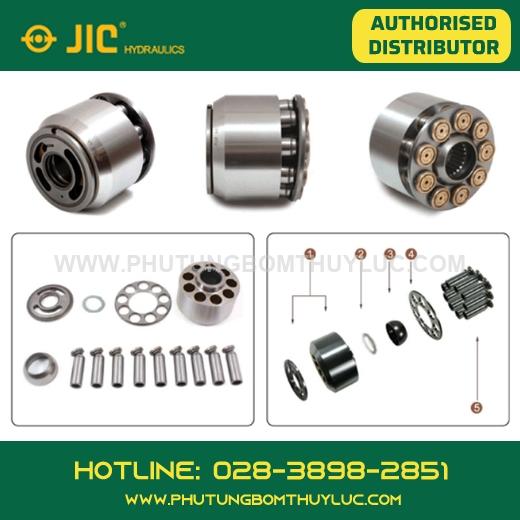 Kayaba (KYB) · PSVRotary group – Kayaba PSV2-55TPSV2On requestView · get a quote
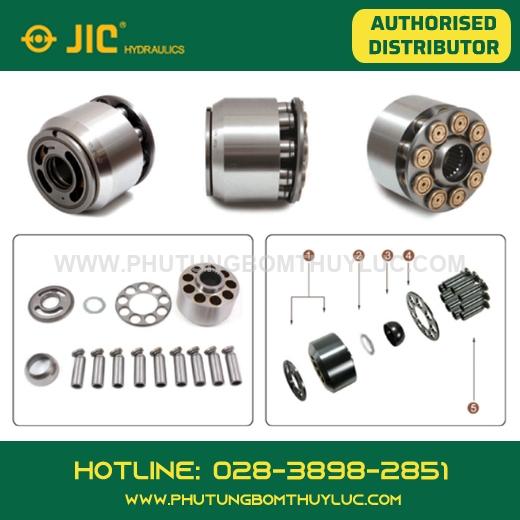 Kayaba (KYB) · PSVRotary group – Kayaba PSV2-60TPSV2On requestView · get a quote
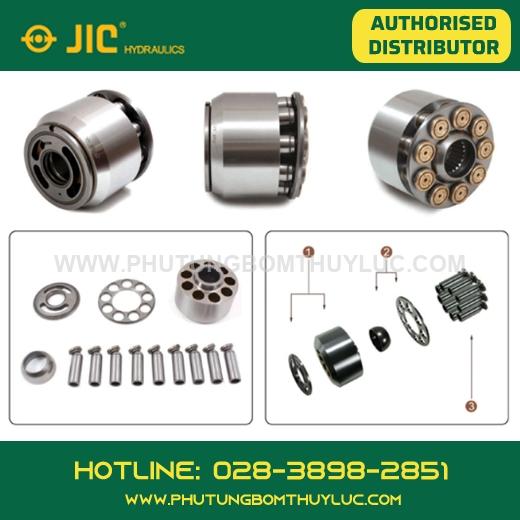 Kayaba (KYB) · PSVRotary group – Kayaba PSV2-63TPSV2On requestView · get a quote