Quick answer
A hydraulic pump code is the string of letters and numbers on the pump body that tells you the pump family, size and variant. Reading the code correctly lets you identify the pump line and match the rotary group, regulator and seals. Split the code into its parts, cross-check it against the machine model, and you order the right parts on the first try.
A hydraulic pump code is the string of letters and numbers stamped or stuck on the pump body. It tells you which family the pump belongs to, its size, and its variant. Reading the hydraulic pump code correctly is the first step to ordering the right rotary group, regulator and seals. Miss one character and you may receive parts that do not fit, costing you another round of teardown and waiting. This guide shows you how to look at the label, split the code into parts, and cross-check it against the machine. After a few tries, you will read a code fast and with real confidence.
What a Hydraulic Pump Code Is and Why It Matters
The pump code is like the pump identity card. Makers assign codes to tell apart hundreds of variants that look almost the same. Two pumps on a mid-size excavator can still differ in swash angle, shaft type and regulator. Reading the code correctly lets you name exactly what you need, instead of describing it vaguely as the pump off a twenty-ton machine.
Where to Find the Pump Label on the Machine
The code label usually sits on a flat face of the pump body, near where it joins the engine. On many excavators the pump lives in the rear pump compartment, hidden by hoses and dust. Wipe off the oil film, then shine a light at an angle so the stamped characters stand out. Sometimes the label is a riveted metal plate; sometimes the code is struck straight into the housing.
The General Layout of a Pump Code
A code string usually has three parts: the family name, the size number and the variant characters. The family name comes first, for example the K3V or K5V family. The number that follows tells you the size, meaning the pump relative flow. The tail is letters and numbers describing the control type, rotation direction and mounting details. Once your eye is used to it, a glance tells you which group the pump belongs to.
Reading the Family: K3V, K5V and Common Lines
On tracked excavators you often meet families like K3V and K5V. These are axial piston pump lines used widely on medium and large machines. The family name is nearly fixed by design, so it is the first anchor when looking up parts. If you need the right set for this family, start from the K3V pump parts group and then filter by size.
What the Number After the Family Tells You
The number right after the family name reflects the pump size. A larger size usually goes with a heavier machine and higher flow. This number drives the rotary group dimensions, piston diameter and bushings. Misreading it is a common reason a rotary group arrives that does not fit the bore. So write the number down carefully and check it twice under good light.
The Variant Characters at the End
The tail of the code carries the most information and is also the easiest to skip. It describes the regulator type, shaft rotation, mounting flange and sometimes the port arrangement. Two pumps of the same family and size but a different tail already have a different regulator. Never ignore these characters, because they tie directly to what you will buy.
How Do You Read a Hydraulic Pump Code When the Label Is Faded?
A faded label is common on machines that have worked outdoors for years. First wipe off the oil and use raking light so shadows lift the sunken stamps. If it is still unclear, gently rub chalk dust or pencil over the surface so the strokes show. When all that fails, cross-reference through the machine serial and excavator model to trace back the original pump code. Do not guess a character, because one wrong letter drags the whole parts set wrong.
Telling the Main Pump from the Pilot Pump
A pump assembly usually has a main pump and a small pilot pump attached. The main pump pushes oil for the boom, arm and travel. The pilot pump makes the control pressure that drives the valves. Each has its own code, and you must read the one you actually need. Mixing up the two leaves you holding the wrong rotary group and seals.
The Regulator Code That Comes With It
The regulator often has its own label or number, separate from the pump body code. This part decides how the pump changes flow with load. During an overhaul many people record only the body code and forget the regulator. Photograph both, because a wrong regulator makes the machine weak or jerky even when the rotary group is still good.
Cross-Checking the Code Against the Machine Model
The pump code does not stand alone; it ties to the machine year and excavator model. The same pump family can sit on many machine years with different variants. So always give the machine serial when you look parts up. Cross-checking the pump code against the model is the surest way to rule out mistakes. This is where knowing each machine year really pays off.
Why the Same Family Can Still Need a Different Rotary Group
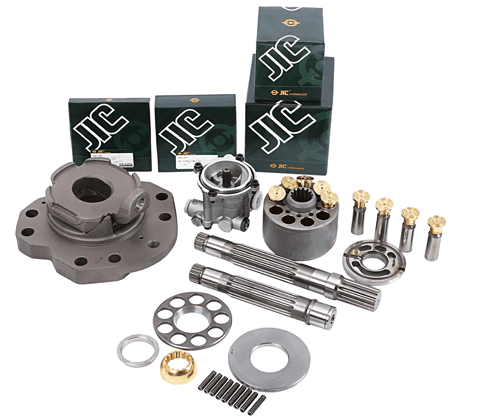
Many owners are surprised that two pumps of the same family need different rotary groups. The reason lies in the size and variant hidden in the tail of the code. Piston size, bushing count and thickness can differ. To understand this deeper, read the guide on the K3V rotary group to see how one family splits into several builds. When it is time to replace, pick the correct hydraulic rotary groups by the size you read from the code. In our workshop we once pulled a pair of K3V112 pumps off a twenty-ton class excavator: same family, yet one had worn piston shoes and light scoring on the valve plate, so it lost flow once the oil warmed up. On site this showed as the boom lifting slower and feeling weak under heavy load, even though pilot pressure was normal. To confirm, we checked the polish of the valve plate and swash plate, felt the play in the pistons, then matched it against the variant marked in the tail of the code before choosing the replacement rotary group.
Record the Code Before You Remove the Pump
A good habit is to write and photograph the code before removing anything. Once the pump is on the bench, the label easily gets covered in oil or scuffed. Copy the code into a notebook, take clear photos from several angles, and note the date. This record keeps you and the seller from guessing. If you plan on overhauling a K3V112 pump, this first recording step saves a lot of time later.
Common Mistakes When Reading a Code
The most frequent error is confusing a letter with a number, such as the letter O with a zero. Next is skipping the tail characters because they seem unimportant. Some people read the pilot pump code and think it is the main pump. Others misread a nearby label from a different part. Care with each character is the cheapest way to avoid a wrong order. Read each character aloud for someone to write down, then cross-check it once more to be sure.
Genuine and Aftermarket: Use the Code to Choose
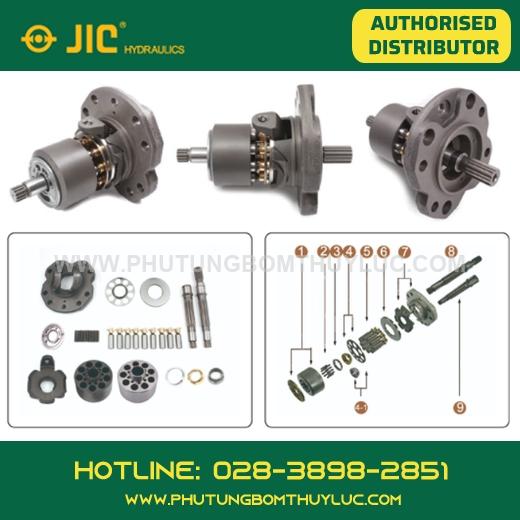
From the pump code you can choose between genuine and aftermarket parts. Genuine parts stay close to the original spec, while aftermarket quality varies by maker. Whichever you pick, you still start from the correct code, because the code sets the fit dimensions. Once you have the code, comparing sources becomes clear. For common lines like K3V, Việt Trung Hải supplies JIC Hydraulics parts as its recommended quality option — machined and material-matched close to genuine spec, kept in stock and backed by warranty, so piston shoes, valve plates and regulators hold up in the field. See the hydraulic-pump parts group to compare options by family.
A Quick Reference Table of Parts by Code Section
The table below sums up which part of the code affects which component.
| Code section | Tells you | Affects which parts |
|---|---|---|
| Family name | Pump family, e.g. K3V | Compatible rotary group and casing |
| Size number | Size and relative flow | Piston, bushing and housing size |
| Tail characters | Variant, control, rotation | Regulator, shaft, mounting flange |
| Regulator label | Regulator type | Regulator and its adjustment |
Cross-Checking With Manufacturer Documentation
When still unsure, cross-check against the manufacturer technical documents. According to the documentation from Hitachi, each excavator model comes with its own pump configuration and naming. Reading the right document helps you match the pump code to the right parts and avoid the wrong variant. This step is worth doing before large orders or rare pumps.
Preparing Your Information Before Ordering
Before you call to order, gather enough so the seller does not have to ask back. A tidy list includes:
- The full code on the pump body, clearly photographed.
- The code or label of the regulator.
- The serial and year of the excavator.
- The symptom you have, such as weak power, jerking or leaking.
- Whether you want genuine or aftermarket parts.
With these five items, the parts lookup is fast and rarely wrong.
Protecting the Code Label and Pump Records
The code label is an asset, so keep it clean and readable. After each wash, avoid strong chemicals that strip the strokes. Save a photo of the code on your phone and one in the machine logbook. When you resell the machine or change mechanics, this record lets the next person read the code easily. Good records are the base for every future parts lookup. A tidy record also raises the machine value when you resell it.
When to Ask an Experienced Reader for Help
Some codes are old, altered, or on a pump with a replaced casing, which makes reading confusing. Then someone familiar with each pump line spots clues faster. They lean on details like flange type, port position and regulator shape. Do not hesitate to ask, because a wrong rotary group costs far more than a phone call. Field experience is still hard to replace. A short call to someone who knows the pumps is far cheaper than ordering the wrong parts set.
Rotation and Port Marks in the Code
Some characters in the code tell you which way the shaft turns and how the ports sit. This detail is small but directly affects how the pump mounts to the machine. Fit the wrong rotation and the pump will not draw oil, and it can fail fast. Compare the rotation marked in the code with the actual rotation of the engine. When in doubt, turn the shaft by hand and watch the direction before you decide. This checking habit avoids costly assembly mistakes later on.
Telling Flange and Mounting Types Apart
The flange and mounting face decide whether the pump seats in the compartment. Two pumps of the same family but different flanges cannot swap without extra machining. This information usually sits in the tail of the code with the variant characters. Look at the bolt hole count and the flange shape when you compare two pumps. A straight photo of the flange lets the seller confirm it quickly and accurately. Do not rely on memory, because flanges look very much alike and mix up easily.
Ordering the Right Parts From the Code
Once you have read the code firmly and recorded everything, ordering becomes light work. You send the code, the machine model and the symptom, then choose between genuine and aftermarket. If you need advice by family, see K3V pump parts or the hydraulic rotary groups group to match the right size. Reading the code right today is how you save time and avoid mix-ups on every repair to come.
Key takeaways
- A pump code has three parts: family name, size number and variant characters.
- The family name like K3V is the first anchor for finding the right parts.
- The size number sets the rotary group, piston and bushing dimensions.
- The code tail ties to the regulator, rotation and mounting, so do not skip it.
- Record and photograph the code before removing the pump so you never guess.
- Cross-check the code against the machine year and maker docs before ordering.
Written by
Đỗ Thị Hương
Đỗ Thị Hương handles parts lookup and fitment, especially hydraulic seals. She writes about choosing the right seal size, spotting genuine parts and matching parts to the machine by code.
Related parts
The exact parts discussed above — send your machine model or pump code to match.
Related products
 Kawasaki · K3VRotary group kit – Kawasaki K3V112DTK3V112DTOn requestView · get a quote
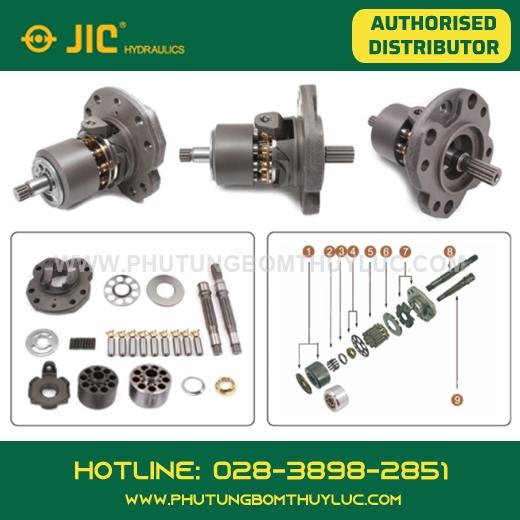 Kawasaki · K3VRotary group kit – Kawasaki K3V140DTK3V140DTOn requestView · get a quote
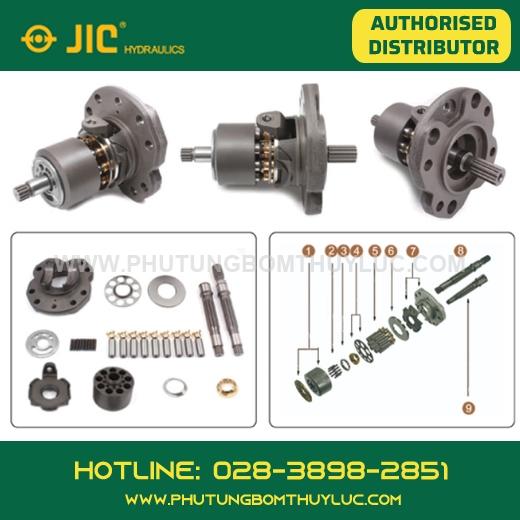 Kawasaki · K3VRotary group kit – Kawasaki K3V180DTK3V180DTOn requestView · get a quote
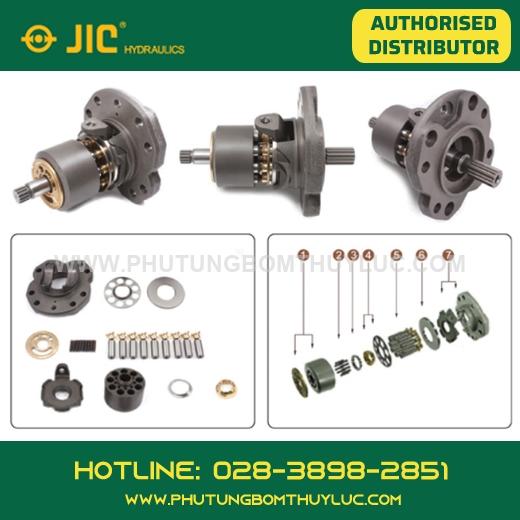 Kawasaki · K3VRotary group kit – Kawasaki K3V280DTK3V280DTOn requestView · get a quote