Quick answer
Choosing excavator bucket teeth right means three steps: the correct tooth system and machine model, the correct nose for the ground, and the correct pin so teeth do not drop. Identify the system first by reading the marking on the adapter and socket, then pick a sharp nose for soft soil, a flat nose for loading, or a thick nose for rock. Locking the pin tight and renewing the retainer keeps teeth firm all shift and slows wear.
Choosing excavator bucket teeth is not hard, but you have to start in the right place: the tooth system and the machine model, then the tooth shape for the ground. Excavator bucket teeth are the part that wears straight against soil and rock, so one small wrong detail like the tooth nose or the pin can drop a tooth mid-shift or wear it out twice as fast. This guide follows the order a field technician actually works in: identify the tooth system, pick the shape that suits the ground, then lock the pin down tight. By the end you can pick a durable set that fits your machine, with no guessing.
What parts make up a bucket tooth?
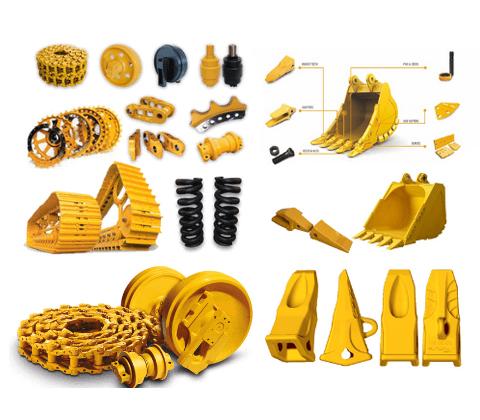
A tooth assembly usually has three main parts: the adapter fixed to the bucket lip, the point that bites into the soil, and the pin that holds the two together. The adapter wears slowly and lasts a long time, while the point wears fastest and must be changed on a cycle. Many owners just say buy a tooth and forget that the adapter and pin also belong to their own system, not shared at random. If you want a closer look at how the parts on a bucket fit together, the guide on excavator bucket anatomy describes each detail.
Adapter and point: get these two right
The adapter, which many technicians call the nose base, is welded or bolted onto the bucket edge. The point is the removable part; its tip drives into the ground and wears down with the hours. When the point wears close to its neck, you fit a new point and keep the same adapter, as long as both are the same system. An adapter that is worn or cracked costs much more effort, because you have to cut and weld a new one right on the bucket.
What is the tooth socket and why does it matter?
The socket is the hollow at the back of the point that slides snug onto the adapter. This is where a tooth stays firm or not, because all the digging force lands on the contact between socket and adapter. A loose socket lets the tooth wobble, wears both faces fast, and works the pin loose. When you hold a point, check that the inner socket face is smooth and even, with no cracks or pitting. Matching the socket to the correct system is a step many people skip, then wonder why a new tooth fails so soon.
Why choose excavator bucket teeth by system and machine model?
Each brand and each machine line usually comes with its own tooth system, and the socket and pin sizes differ. A tooth for a small machine will not fit a large bucket, and forcing a mismatched fit wears out quickly. Large makers such as SANY advise using the tooth system designed for each machine model to keep digging force and durability. Choose by system first, then think about tooth shape; that avoids a mistake right at the start.
Common tooth systems and why they are not interchangeable
The market has many tooth systems by brand and by machine size, each with its own socket and pin style. Two sets that look the same from outside can still differ by a small amount at the socket, enough to not fit or to sit loose. That is why you should bring the old tooth to compare, or note the cast marking on the adapter. Do not pick a tooth just because it looks alike, because the mating fit is the part that matters most.
How do I know which tooth system my machine uses?
The surest way is to pull one old point and read the cast marking on the socket and the adapter. If the old tooth has worn its marking away, look it up by machine model and bucket rating, or compare the socket size to a known sample. Write down the brand, machine model, and bucket size before you shop, and the seller can look it up faster. A handy trick is to photograph the old adapter and point from several angles for reference.
Choosing the tooth shape by ground type
Once the system is right, the next step is choosing the shape that suits the ground you work. Soft soil, loose material, and hard rock each need a different nose, and the wrong pick means either fast wear or weak digging. Tooth shape goes hand in hand with bucket type, so if you are weighing up the whole bucket, the guide on excavator bucket types helps you see the full picture. Below are three common ground groups and the teeth that suit each one.
Teeth for soft soil and mud
For soft soil, paddy fields, or mud, you want a long, sharp nose that penetrates fast and does not need to take heavy impact. A sharp nose sinks deep and pulls soil cleanly, which saves fuel and lets the machine work faster. This type is wrong for breaking rock, because the slim nose will snap or bend when it meets something hard. If the site is mostly soft ground, favor a sharp set and keep a few spare points on the machine.
Teeth for loose material, sand, and gravel
When you scoop sand, gravel, coal, or already-loosened material, you want a medium, slightly flat nose that focuses on gathering and holding the load. A nose that is too sharp wears for nothing here, while a flatter nose sweeps and scoops much cleaner. Loading teeth tend to wear evenly on the underside, so rotate and inspect them regularly to keep wear balanced. On a loose stockpile, cycle speed matters more than penetration, so pick teeth with that in mind.
Teeth for rock and rocky ground
Rocky ground, weathered rock, or hard base calls for a thick, strong nose that takes impact well. Some noses are three-sided or self-sharpening, which hold their edge longer as they scrape against rock. This type is heavier and digs slower than a sharp nose, but in return it does not snap partway through. On rock you should also dig decisively and avoid prying sideways, because that habit chips noses and bends sockets. Fitting soft-soil teeth to break rock is the most costly mistake, since noses keep snapping and you lose hours changing them.
The tooth pin: a small part that drops teeth
The pin holds the point onto the adapter, small but deciding whether a tooth drops or not. A pin of the right system, in the right direction, driven deep enough, keeps the tooth firm all shift. A wrong-size pin, a worn pin, or a missing rubber retainer is a common reason teeth drop out on site. Every time you change a point, change the pin and retainer too if they have gone hard or lost shape.
Common types of tooth pin
There are pins driven in sideways with a hammer, pins turned with a tool, and pins with a secondary locking piece. The hammer type is familiar and quick, but you must drive it the right way and hard enough. The turn type is cleaner on the hands and suits crews who change teeth often. Whichever type, the key point is that the pin fits the hole snugly, with no play, and the retainer still has spring in it. Pins and retainers also belong to a tooth system, so when you buy new points, ask for the matching pin set to keep it consistent.
Why do teeth drop out mid-shift?
A dropped tooth is usually not because the tooth is bad, but because the pin is loose or was not seated fully. As you dig, constant vibration eases the pin out, and if the retainer has gone hard the pin backs itself off. An early sign is an odd knocking sound at the bucket nose, or a tooth that wobbles when you nudge it. Hear that and stop to check the pin at once, drive it back or replace it, and do not push on or you may lose the whole point.
Why do teeth wear out unusually fast?
Teeth that wear faster than normal usually come down to three causes: the wrong shape for the ground, a loose socket, or a habit of scraping hard. A loose socket lets the tooth wobble and wears both socket and adapter, costing double. Scraping sideways on a rock base also grinds the nose fast, so change your digging style if you see uneven wear. Regular checks and rotating teeth for even wear extend their life a good deal.
When should you replace the adapter too?
The adapter lasts much longer than the point, but it is not forever. When the mounting hole has widened, the adapter edge has rounded off, or hairline cracks appear, a new point still sits loose and fails soon. At that stage changing points is money wasted; you have to cut off the old adapter and weld a new one of the right system. Check the adapter each time you change a point, because catching it early costs far less than letting it fail outright.
Genuine and aftermarket: how to choose
Genuine parts tend to hold standard sizes, use good steel, fit snug, and wear evenly, but they cost more and sometimes mean a wait. Good aftermarket parts still serve well if they match the system and the steel is hard enough, which suits crews that change teeth often and want to save. The worry is loose, no-name stock with the wrong socket size and soft steel that wears fast and ruins the adapter too. Viet Trung Hai supplies genuine wear parts along with other heavy-equipment parts, so if you need the right system from a clear source, you have somewhere to ask before you buy.
Signs you need to replace excavator bucket teeth
Teeth need changing when the nose is worn stubby, clearly shorter than its neighbors, or the socket starts to show. Weak digging, higher fuel use, and the machine straining to bite the ground are also signs the nose has gone blunt. A tooth that is cracked, chipped, or bent after hitting rock should be changed at once, before it snaps at work. Changing them as a set at the same time keeps the bucket digging evenly, with less side load and less adapter wear.
How to change bucket teeth correctly and safely
Changing teeth is not hard if you follow the order and stay safe. Rushing and skipping steps risks a pinched hand or a loose fit, so do not hurry.
- Lower the bucket to level ground, shut down the machine, and set the safety lock before you get under the bucket.
- Clean the soil around the pin and the pin hole so you can see the pin direction clearly.
- Drive or turn the pin out the correct way, and keep the old pin and retainer to compare.
- Clean the adapter and check it for wear or cracks.
- Fit the new point onto the adapter and push it fully home.
- Drive the new pin deep enough, fit the retainer, then rock the tooth to check for play.
A quick tooth-selection table by job
The table below sums up how to pick a tooth shape by ground type, handy for a quick check on site.
| Type of work | Tooth nose to use | What to watch |
|---|---|---|
| Soft soil, mud, paddy | Long, sharp nose | Fast penetration, avoid rock |
| Sand, gravel, loose material | Medium, slightly flat nose | Gathers well, rotate for even wear |
| Rock, rocky ground | Thick, strong, three-sided nose | Takes impact, digs slower |
| Mixed ground types | Neutral nose | Favor durability and easy change |
How to make bucket teeth last longer
For durable teeth, pick the right shape from the start and keep the pins tight. Rotate and inspect teeth regularly for even wear, so one nose does not go stubby while the others are still good. Digging with proper technique and less sideways scraping on hard ground also cuts wear noticeably. At the end of each shift, a quick glance at the tooth line and a nudge on each nose tells you which one needs watching. Keep a few spare points and pins on the machine to swap in when needed, saving you a lost shift.
Common mistakes when choosing and changing teeth
The most common mistake is choosing a tooth by its shape rather than by the socket system. The second is being stingy with the old pin, reusing a worn pin or dropping the retainer, and then losing a tooth. The third is fitting soft-soil teeth to break rock to save money, only for the noses to keep snapping at greater cost. Avoid these three and your tooth set already outlasts most machines on site.
Where should you start?
Start by identifying the correct tooth system for your machine model, then pick the nose that suits your ground, and finally lock the pin down tight. Do those three steps and the teeth last longer, dig stronger, and you lose fewer shifts to dropped teeth. If you are unsure which system your machine uses, just bring the old tooth or a photo of the adapter and ask. See more heavy-equipment parts to choose the right points, adapters, and pins for your machine.
Key takeaways
- Choose teeth in three steps: correct system and machine model, correct nose for the ground, correct pin.
- Adapter, point, and pin belong to their own system and are not swapped at random.
- Soft soil uses a sharp nose, loose material uses a flat nose, rock uses a thick strong nose.
- Dropped teeth are mostly a loose pin or a hardened retainer, not a bad tooth.
- A loose socket lets the tooth wobble and wears both socket and adapter, costing double.
- Check the adapter every time you change a point; catching wear early costs far less.
Written by
Đỗ Thị Hương
Đỗ Thị Hương handles parts lookup and fitment, especially hydraulic seals. She writes about choosing the right seal size, spotting genuine parts and matching parts to the machine by code.
Related parts
The exact parts discussed above — send your machine model or pump code to match.