Quick answer
Choosing parts by machine generation means pinning down the right generation and model before you order, because the same excavator line can take different components across generations. Start from the machine serial number, read the code on the group being replaced, then cross-check before closing the order. Do these three steps and you almost never order wrong.
Choosing parts by machine generation is something you should do before you even ask the price, because the same excavator line can take completely different components across generations. Manufacturers often change the pump, valves, couplings or seal groups between generations to improve durability or cut cost. If you order based only on the machine line name, you can easily end up with a part that looks close but does not fit. This guide shows how to pin down the right generation and model so you order the correct component the first time.
Why does the same machine line take different parts across generations?
A machine line lives on the market for many years, and during that time the factory keeps adjusting it. They switch pump suppliers, rework oil galleries, change gasket styles or upgrade the control group. Each small change can make a part from an older generation no longer fit a newer one. So two machines that look identical from the outside can still need two different sets of parts. Experienced mechanics know this, so they never just read the name on the machine and nod the order through.
What a machine generation actually means
In the trade, generation is shorthand for a specific production phase of a model. The maker marks that phase with a suffix after the model name, such as the generation codes tacked onto the machine number. The same number with a different suffix usually means a different generation and a different configuration. Understanding this idea correctly is the first step to not buying the wrong thing.
The difference between the commercial model and the technical model
The name you see on the machine body is the commercial model, used for selling and recognition. But to look up parts, a technician needs the full technical model together with the serial number. Two machines with the same commercial name can still belong to two different technical groups. When ordering, always favour the technical information over the everyday name.
Start from the machine serial number
The serial number (machine number) is the most trustworthy guide for choosing parts. That number ties to a production range, and the factory uses it to tell apart the various component-change batches. When you give the correct serial number, the seller can trace which generation your machine falls into. This matters more than the machine line name.
Where to find the serial number on an excavator
The serial number usually sits on a stamped steel plate or a sticker on the main frame, near the cab or on the counterweight side of the body. Many machines also stamp the number straight into the frame to resist wear. Technical documents from major makers such as Komatsu describe the plate location clearly for each line. If the plate is faded from oil and dust, wipe it clean and photograph it under raking light. Many machines also carry a stamp on the lower frame and a sticker inside the cab, and both are worth recording for cross-checking.
Why you should not look up parts by eye alone
Many components look nine-tenths alike but differ at the mounting points. A mounting ear a few millimetres off, a seal groove slightly deeper, a thread the other way is enough to make it unusable. The naked eye struggles to catch these differences while the part is still in the machine. So looking up by generation and serial number is always safer than looking up by shape.
When the maker changes things mid-generation
Some changes do not wait for a new generation but happen right in the middle of a production run. The factory uses up an old batch of parts then switches to an improved version, and that boundary lands on a specific serial number. This is why two machines of the same generation, built a few months apart, can still differ in a component. Only the serial number tells you whether your machine sits before or after the change point.
How to pin down the right generation to choose parts by machine generation
To choose parts by machine generation accurately, gather three pieces of information before you call: the full technical model, the machine serial number, and the serial of the group being replaced if it has one. For a pump, valve or motor, the group itself also carries its own very valuable code. You can also see how to read the pump code to cross-check right at the machine. When these three pieces match, the chance of ordering wrong is almost zero.
Which parts go wrong most often when tracing by generation
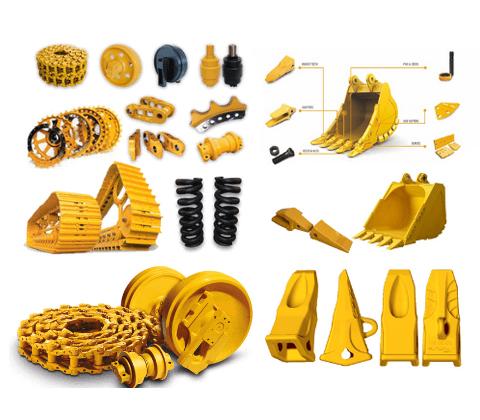
Experience shows the hydraulic groups are where mistakes happen most, because this is where the factory improves things most. The main pump, travel motor, control valve and regulator group are all sensitive to generation. Next come small items like seals and bearings, which change size with a new design. The undercarriage group is less sensitive but still worth checking on a machine that has been through several generations.
Hydraulic pump and rotary group: the most generation-sensitive part
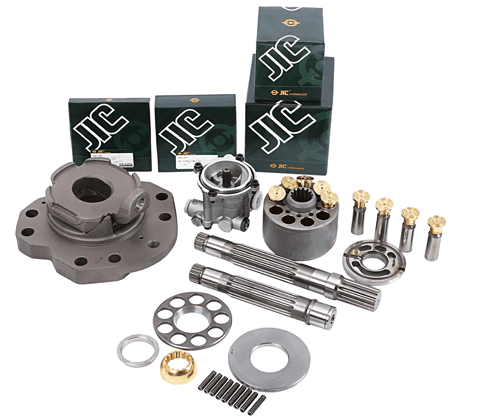
The main pump is the heart of an excavator and also where differences between generations show up most clearly. The same pump family such as K3V or K5V still has many internal variants depending on the generation and the machine builder's order. When you replace the hydraulic rotary group, the wrong variant means the whole group will not build pressure correctly, the machine goes weak and the oil heats up fast. The field cue is usually a slow boom, a sluggish swing or an odd pump note when you open the throttle. On quality, we favour JIC Hydraulics rotary groups for their steady material and machining precision, well suited to heavy-working machines and backed by a clear warranty.
Seals: small in size, one wrong millimetre costs a whole day
A seal is a cheap part but the biggest time-waster if you pick the wrong one by generation. On the same cylinder, a later generation may change the groove width or the lip style to seal better. Fitting the wrong hydraulic seals means oil weeping again after just a few shifts, and you have to pull the arm apart and start over. This is the kind of fault that doubles the labour because the seal is cheap but the working day is not. For seals, PET Seals is the choice we trust for rubber that keeps its elasticity and holds the correct size for each group generation.
Bearings and bushings: they look alike but are not
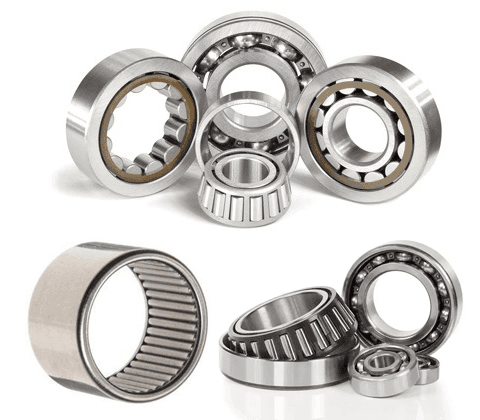
The swing bearing, bucket bushings and arm bushings also change quietly between generations. The inner diameter, the width or the oil-seal style can differ even when they look identical outside. Fitting the wrong size means quick play, quick heat and quick failure again. In this group, we choose ZVL Slovakia bearings for their durability and steady roundness under uneven load.
Quick cross-reference by part group
The table below sums up the cues to check and the information to prepare for each group.
| Part group | Why it is generation-sensitive | Prepare before ordering |
|---|---|---|
| Pump and rotary group | Variant change within the same pump family | Technical model, machine serial, code on the pump body |
| Valve and regulator group | Changed oil galleries and control method | Machine serial, photo of the valve group |
| Seals | Changed grooves and lip style | Group dimensions, machine serial |
| Bearings and bushings | Changed diameter and oil-seal style | Photo of the old part, machine serial |
| Undercarriage | Less sensitive but still has variants | Technical model, generation |
Genuine or aftermarket by machine generation?
Both work, as long as they match the right generation. Genuine gives certainty on the fit, while a good aftermarket part saves money and still runs long if you pick the right maker. What matters is not the label but whether the part is right for the generation. You can read more in the genuine vs aftermarket guide to weigh it against your budget and how you use the machine.
When the machine has passed through many owners and been swapped
Used machines imported into Vietnam have often passed through many hands and may have had cross-generation parts fitted. At this point the machine serial is still correct, but the pump or valve group on it is not necessarily the original. Some machines have had the whole regulator or motor swapped from another machine, which throws off tracing by the original generation. So you must also look up the code on the very group being replaced, not just the machine. The surest way is to remove it, read the real code, then cross-check, avoiding guesses based on the original generation.
What to photograph and note before you call to order
Before you call, prepare a few clear photos so the seller can trace it fast. A photo of the serial plate, a photo of the sticker on the group being replaced, and a wide shot of the old part are enough. A close-up of the stamped code plus a step-back shot showing the mounting position also help a lot. Add a description of the symptoms: when the machine is weak, hot, leaking oil or making an odd noise. The more complete the information, the harder it is to mistrace and the less you wait.
Common mistakes when ordering parts
The most common mistake is ordering by the machine line name alone, skipping the serial number. The second is trusting the old part on the machine while forgetting it may have been cross-swapped. The third is comparing online photos then concluding they are the same. All three lead to stock that does not fit and more lost labour.
A six-step process to order the right component
- Record the full technical model on the machine body.
- Find and photograph the machine serial plate.
- Reach or remove the group being replaced and read the code on that group.
- Photograph the old part and note the failure symptoms.
- Send the full set of information to a technician to cross-check the generation.
- Confirm the fit again before closing the order.
When to ask a technician for help tracing
If the number plate is faded, the machine has been modified, or you are unsure the group is original, let a technician help. An experienced person can read the structure to estimate the generation range, then narrow it with the serial number. This takes a few minutes but saves you a week waiting on returns. Do not hesitate to send photos and ask carefully before ordering.
Keep a machine record so next time is faster
Once you have traced it correctly one time, keep a record of your machine. Note the technical model, the serial number, and the codes of the main groups you have replaced. Next time it breaks, you just open the record and order right away, instead of climbing on the machine to wipe the plate again. For a fleet, a notebook or a photo file per machine saves a great deal of time. This small habit cuts downtime for the whole fleet.
Wrapping up and the next step
Choosing the right parts by machine generation is not hard; it just takes enough information and a bit of care. Start from the serial number, read the code on the group, then cross-check before ordering. When you need a wide source and people who trace with real skill, see our heavy-equipment parts section and send photos of your machine to have the generation matched correctly.
Key takeaways
- The same machine line can take different parts across generations.
- The machine serial number is the most trustworthy guide for choosing parts by generation.
- Always use the full technical model, not just the commercial name.
- Pumps, valves, seals and bearings are the most generation-sensitive groups.
- Used machines may be cross-swapped, so read the code on the group being replaced.
- Prepare photos of the serial and the group code before you call to order.
Written by
Đỗ Thị Hương
Đỗ Thị Hương handles parts lookup and fitment, especially hydraulic seals. She writes about choosing the right seal size, spotting genuine parts and matching parts to the machine by code.
Related parts
The exact parts discussed above — send your machine model or pump code to match.
Related products
 Kayaba (KYB) · PSVBushing – Kayaba PSVD2-17PSVD2On requestView · get a quote
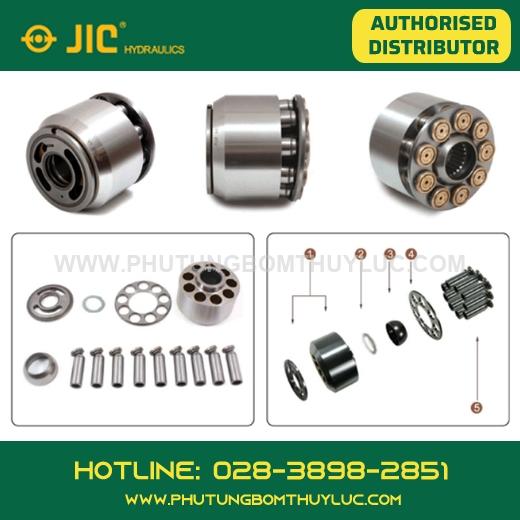 Kayaba (KYB) · PSVRotary group – Kayaba PSV2-55TPSV2On requestView · get a quote
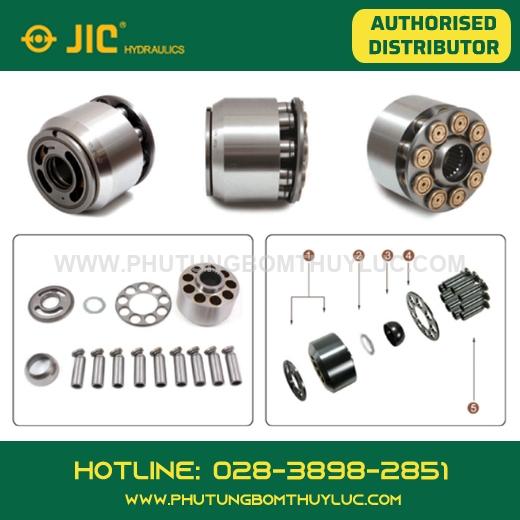 Kayaba (KYB) · PSVRotary group – Kayaba PSV2-60TPSV2On requestView · get a quote
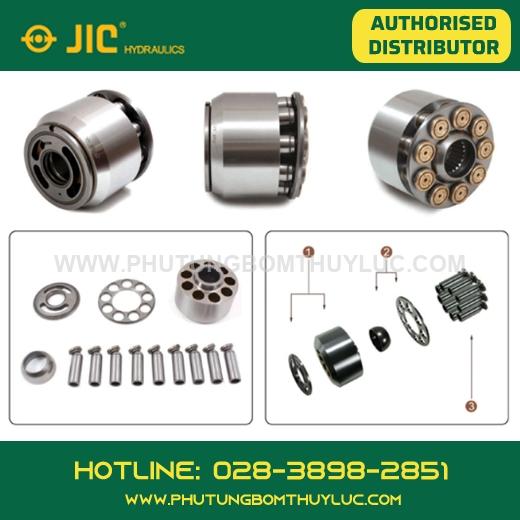 Kayaba (KYB) · PSVRotary group – Kayaba PSV2-63TPSV2On requestView · get a quote