Quick answer
Choosing a hydraulic pump rotary group means finding the exact set that matches your pump family, pump size and machine year. You read the pump code on the housing, count the spline teeth and check the cylinder block and valve plate style. Doing all of this avoids buying the wrong rotary group and keeps the pump strong and durable.
Choosing the right hydraulic pump rotary group is a decision you make before you spend a cent. Choosing a hydraulic pump rotary group means finding the set that matches the pump family, pump size and machine year running on your excavator, not just buying by a generic name. If the rotary group does not match the block, the spline count or the valve plate, the pump will run weak, get hot and fail early even though it seems to fit on the outside. This guide walks through reading the pump code, counting the spline teeth, spotting the block style and avoiding the wrong rotary group.
What a rotary group is and why the wrong one is costly
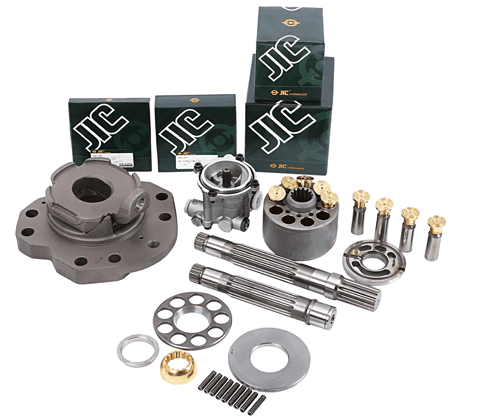
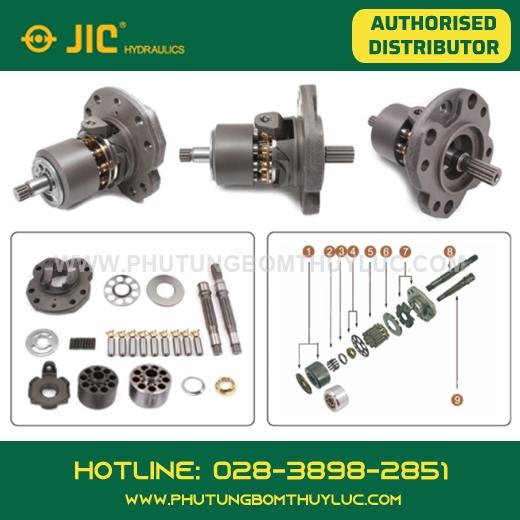
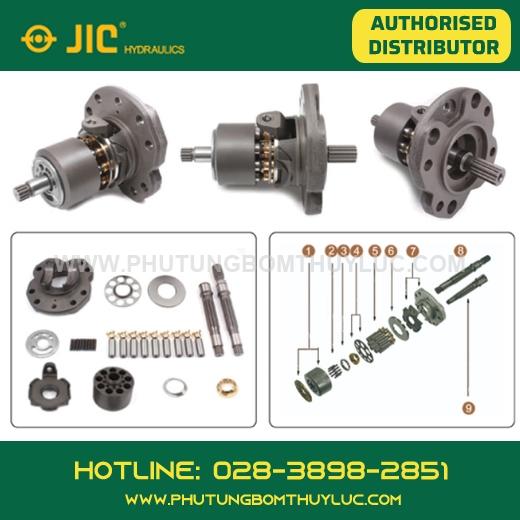
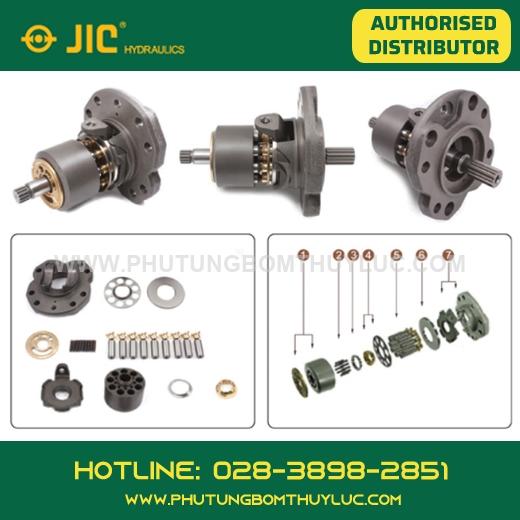
The rotary group is the rotating assembly inside a piston pump: the cylinder block, the pistons, the slipper pads, the swash plate and the valve plate. It carries the pressure and takes the most wear, so when a pump goes weak people rebuild the rotary group instead of scrapping the whole pump. The correct rotary group is one that mates fully with your existing pump housing.
One small mismatched part can waste a whole day of work. A technician may unbox the parts, find the spline off, and have to return them, leaving the machine parked for more days. Lost shipping, lost labour, lost job schedule.
Why you must choose by the correct pump family
Each pump family is built to its own geometry. The block diameter, the piston count, the spline pitch and the valve plate style differ between families. Two rotary groups that look alike can still be off by a fraction, enough to stop them fitting or to leak internally once installed.
Choosing by family narrows the field first, then you look at size and machine year. This is why a seller always asks which family your pump belongs to. When you browse hydraulic rotary groups, filter by pump family from the start so you do not get lost.
Read the pump code on the housing before buying
There is always a nameplate or cast lettering on the pump housing that carries the pump code. This is the most trustworthy basis for choosing a rotary group. Wipe off oil and dust, photograph the full block of characters and the trailing numbers, and do not just copy it by hand in a hurry.
The pump code usually tells the family, the size and some assembly options. An experienced hand can read the code and guess the right rotary group closely. If the plate has flaked, the cast lettering on the housing still helps, so shine a light at an angle to read it.
Recognising common pump families on excavators
On mid-size crawler excavators you often meet the familiar swash-plate piston pump families. Each family has its own size range tied to different machines and loads. Knowing a few main families lets you talk to the seller quickly and correctly.
Do not guess by paint colour or housing shape. A housing can be repainted or re-capped, but the rotary group inside is what counts. Always return to the pump code and real measurements.
Choosing a K3V rotary group by size and machine year
The K3V family is one of the most common on medium excavators. Within this family there are several sizes, each tied to a different range of machines, so the rotary group changes with size too. Choosing a K3V rotary group while ignoring the pump size is the most common mistake.
Once you fix the correct size, you still check the machine year, because the same size can change parts by production year. According to the technical documentation from Kawasaki, each K3V size carries its own specification. You can also browse the K3V pump parts catalogue to compare sizes and rotary assemblies. To understand this assembly more deeply, read the guide on the K3V rotary group before you order.
Spline teeth: the small detail most often bought wrong
The cylinder block meshes with the shaft through a spline. The tooth count and pitch must match exactly; one tooth off and it will not fit. This is the easiest place to go wrong, because two blocks look nearly the same to the eye.
The safe method is to count the teeth on the old block and compare with the set you plan to buy. If you can pull the shaft, a trial fit tells you at once. Do not trust a vague description; ask the seller to confirm the tooth count.
Block style and valve plate: why they must match
The valve plate is where oil enters and leaves the block as it spins. The port shape, the chamfer direction and the layout on this face differ between families. Fit the wrong valve plate and the pump reverses flow or leaks internally, showing up as fast heat and weak power.
The block also has its own slipper and profile style. A matched rotary group is one where the block, slippers and valve plate were designed to work together. Do not mix parts from two different families.
How do you choose a hydraulic pump rotary group when the code is worn off?
Finding an old pump with the code rubbed away is normal out in the yard. Then you choose the rotary group by real measurement and by comparing the old parts. Measure the block diameter, count the pistons, count the spline teeth, check the valve plate style and describe it back to the seller.
In parallel, look it up by machine year and model. The serial number, machine year and the pump fitted to that machine are strong clues. If still unsure, send photos of the old parts and the measurements to an experienced seller so they can match it for you, which is the safe way to choose when the code is gone.
Front and rear rotary groups on a tandem pump
Many excavators use a tandem pump, a front and a rear pump joined on one shaft. The two sides may share a size but the rotary parts sometimes differ. Do not assume you buy two identical sets.
When you strip it, mark clearly which side is front and which is rear. Note the position of each part in the correct orientation. Swapping the two sides unbalances the pump, causing vibration and early failure.
Do the regulator and control valve follow the rotary group?
The rotary group handles pumping oil, while the regulator and control valve handle metering flow to the load. When you rebuild, you often keep the old regulator if it is still good. But be sure that regulator was matched to your pump size and family.
If the regulator is also worn or sticking, the machine stays sluggish even after a rebuild. Check the whole control assembly before you conclude. See the hydraulic-pump parts group to compare the matching assemblies.
Genuine or aftermarket
Genuine parts give the most reassuring fit and durability, in return for a higher price and sometimes a longer wait. Good aftermarket parts still run well if you choose the right family and buy from a reputable source. At Việt Trung Hải, the JIC Hydraulics line is the quality option we recommend first: sound material, precise machining, correct clearances, in stock and backed by warranty. Aftermarket prices vary with condition and supply.
What matters is not genuine versus aftermarket, but the right family and the right size. A correct aftermarket set beats a genuine set that is off-family. Weigh it against your budget and how hard you work the machine.
Inspect the rotary group as soon as it arrives
Do not rush to install. Open the box, count the pistons, check the slippers for scoring, and look over the block face and valve plate under a light. The surfaces must be smooth, no pitting, no dents.
Set the new set beside the old one. Compare tooth count, diameter, thickness and slipper profile. Catching a mismatch now makes a return easy.
Signs your rotary group is due for replacement
A worn rotary group usually warns you with a few familiar signs. The machine loses power under load and the boom extends much slower than before. The oil heats up fast even with a clean cooler, and there is an odd rushing noise in the pump as you raise the throttle.
Another sign is a machine that is strong cold but grows sluggish as the oil warms. That comes from larger clearances in the rotary group, letting more oil slip past when it thins. In practice, a K3V112 running on a 20-ton class excavator is a textbook case: once the slipper pads wear and the block's valve-plate mirror face starts to score, the pump falls short on flow as the oil warms, showing up as the boom lifting weaker under heavy load while still strong cold. We check it by shining a light across the mirror face to find scoring and by measuring slipper wear against the swash plate, rather than guessing by feel. When you see these signs, weigh a rebuild vs a new pump depending on the state of the housing.
Quick reference table for choosing a rotary group
Use the table below as a checklist before ordering. Each item is a point that is easy to get wrong if skipped.
| Item to match | Why it matters | How to confirm |
|---|---|---|
| Pump family | Sets the geometry | Read the pump code |
| Pump size | Same family, different size | Pump code and block measurement |
| Machine year | Parts change by year | Serial number and model |
| Spline tooth count | One tooth off and it fails | Count on the old block |
| Valve plate | Wrong one leaks internally | Compare ports and chamfer |
| Front or rear position | Tandem parts differ | Mark them at teardown |
Whole rotary group or single parts
If the pump is evenly worn, replacing the whole rotary group for consistency is the soundest choice. New parts mate with new parts, clearances stay even, and the pump clearly regains strength. Mixing a few new pieces into an old set invites uneven wear.
Replace single parts only when the damage is localised and the rest is genuinely good. For example, one scored slipper while the block is still sound. This case needs a technician to judge by measurement, not a quick call on your own.
What to prepare before you call to order
Calling to order without information means both sides guess, and guessing goes wrong. Prepare the following so the seller can match the right rotary group fast:
- A clear photo of the pump code on the housing, both plate and cast lettering.
- The machine model and year, with the serial number if you have it.
- The spline tooth count read off the old block.
- A photo of the old part beside a ruler to show the size.
- Single or tandem pump, and whether you need the front or rear side.
- The condition of the current housing and regulator.
Installing the new rotary group: mistakes that kill a pump early
Cleanliness is life or death when installing a rotary group. A single grain of dust can score the block face. Wash the housing, change the oil, change the filter and work in a draught-free place.
A common mistake is forgetting to lubricate the parts before assembly, leaving the first start-up to run dry. Another is uneven bolt tightening that warps the mating face. Follow a cross-tighten, even sequence and you are safe.
Break-in and monitoring after the rebuild
A freshly installed pump needs a gentle break-in at first. Run the machine at no load for a while so oil fills in and air is purged. Then raise the load gradually; do not force heavy work right away.
During the first session, watch the oil temperature, the pump noise and the lift power. If the oil runs abnormally hot or you hear a strange noise, stop and check at once. Catching a fault early is far cheaper than letting the pump fail again.
Storage and operation to make a rotary group last
Whether a rotary group lasts depends heavily on oil and filtration. Dirty oil and a clogged filter are the number one enemy of the block surface. Change oil and filter on schedule and use the correct oil for the machine.
Avoid letting the machine draw air from low oil or a leaking suction line. Air in the oil causes cavitation, pitting the part surfaces over time. Smooth operation, avoiding sudden load spikes, also helps the rotary group live longer.
When to call a technician and when you can do it yourself
If you have the tools, a clean workspace and teardown experience, replacing a rotary group is within reach. The points to watch are cleanliness and the assembly sequence. Get these wrong and even a new rotary group fails fast.
When the wear is complex, the housing has problems, or you are unsure of a measurement, let an experienced technician do it. The labour cost is small against the risk of a wrong build. Choosing the right rotary group from the start remains the most important step no matter who installs it.
Need help choosing the right rotary group for your machine
If you are unsure between sizes and families, send us a photo of the pump code and your machine details for an exact match. Browse the hydraulic rotary groups catalogue to compare first, then get in touch to lock in the right rotary group for your machine.
Key takeaways
- Always choose a hydraulic pump rotary group by pump family, size and machine year.
- The pump code on the housing is the most reliable reference, so photograph it clearly.
- Count the spline teeth, because one tooth off means it will not fit.
- Match the block and valve plate style to avoid internal leakage and overheating.
- A tandem pump can differ between the front and rear sections.
- Inspect the rotary group on arrival and compare it with the old set before installing.
Written by
Đỗ Thị Hương
Đỗ Thị Hương handles parts lookup and fitment, especially hydraulic seals. She writes about choosing the right seal size, spotting genuine parts and matching parts to the machine by code.
Related parts
The exact parts discussed above — send your machine model or pump code to match.
Related products
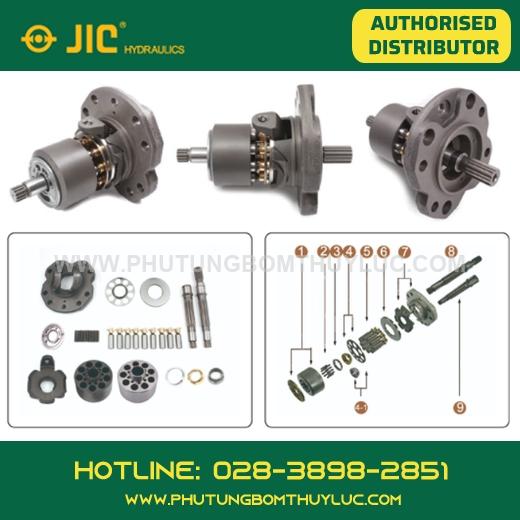 Kawasaki · K3VRotary group kit – Kawasaki K3V112DTK3V112DTOn requestView · get a quote
 Kawasaki · K3VRotary group kit – Kawasaki K3V140DTK3V140DTOn requestView · get a quote
 Kawasaki · K3VRotary group kit – Kawasaki K3V180DTK3V180DTOn requestView · get a quote
 Kawasaki · K3VRotary group kit – Kawasaki K3V280DTK3V280DTOn requestView · get a quote