Quick answer
A rod oil leak is oil escaping past the wiper as the rod moves, usually from a worn rod seal or a scored rod. If the rod is sound, a seal change is enough; if it is scored, pitted or bent, re-chrome or replace the rod before fitting a new seal.
A rod oil leak is one of the easiest hydraulic faults to spot: the rod is wet with oil, pooling and dripping during work. Many people rush to replace the seal, but if the rod is already scored the new seal fails fast. This guide helps you tell when a seal change is enough, when to re-chrome or replace the rod, and how to check to decide correctly.
What is a rod oil leak?
A rod oil leak is hydraulic oil escaping past the wiper at the head of the cylinder as the rod moves in and out. The rod, or piston rod, is the part of the cylinder that extends and retracts; the seals hold oil in and wipe dust off. When the seal wears or the rod is scored, oil escapes onto the rod and drips. This is a sign to act early, because left long it loses oil and lets dust inside.
Why does a rod leak oil?
Common causes:
- A rod seal worn, hardened or torn after long service.
- A scored, pitted or chrome-flaking rod creating a gap for oil.
- A bent rod so the seal bears unevenly.
- A failed dust wiper letting dust in to score the rod and seal.
- Dirty or wrong oil degrading the seal quickly.
- A seal fitted of the wrong type, size or direction.
Understanding the cause tells you whether a seal change is enough or the rod also needs work.
Is a rod oil leak serious?
Severity depends on how much oil escapes. A slightly damp rod, not yet dripping, is not urgent but worth watching. A rod soaked and dripping steadily needs early attention, as it loses oil, fouls the machine and can drift. More serious is a failed dust wiper: dust gets in and scores the rod, turning a simple seal fault into a costly rod repair. So a rod oil leak gets more expensive the longer it is left.
When is a seal change enough?
If the rod is still sound — a smooth surface, chrome intact, no scoring, pitting or bend — the leak is usually just a worn seal and a seal set change is enough. This is the lightest and cheapest case. After fitting the correct type and size of seal, the rod runs dry again. The condition is a careful rod check first, since a new seal on a scored rod fails again fast.
When must you re-chrome or replace the rod?
If the rod is deeply scored, pitted, chrome-flaking or bent, a seal change alone will not solve it: the new seal fails soon and leaks again. Then you re-chrome the rod to restore the surface, or fit a new rod if it is heavily damaged or bent. Re-chroming is cheaper than replacement and suits moderate scoring, while a bent or badly-damaged rod usually needs replacing. That is why you must check the rod carefully before deciding.
Decision table: seal change or re-chrome
| Rod condition | What to do | Note |
|---|---|---|
| Smooth, chromed, no scoring | Replace the seal | Cheapest, rod still good |
| Light scoring, still straight | Replace seal, consider polishing | Watch after the repair |
| Deep scoring, pitting, flaking | Re-chrome then replace the seal | Restore the surface |
| Bent or heavily damaged | Replace rod then replace seal | Highest cost |
Use this table to decide quickly; the final call needs a direct rod check.
How to check the rod before deciding
- Wipe the rod clean and look along its length for scoring, pitting or flaking chrome.
- Run a hand lightly to feel whether scratches are deep or just surface.
- Check for a bend by watching the rod move in and out.
- See whether the dust wiper is still good, as it is a common source of rod scoring.
- Note the location and depth of scoring to decide re-chrome or replace.
Checking the rod carefully is the deciding step between just a seal change and rod work.
Seal-caused vs rod-caused leaks
A leak from a worn seal is usually even and the rod is still smooth when wiped clean. A leak from a scored rod usually comes with visible scoring or pitting on the rod, and oil escapes at the scored area. To tell them apart, wipe the rod clean, then look and feel: a smooth surface points to the seal; visible scoring means the rod needs work. Telling them apart avoids replacing the seal repeatedly while it still leaks.
Scored, pitted or bent rods: how to handle them
Light scoring can sometimes be polished out, but deep scoring and pitting need re-chroming to restore a hard, smooth surface. A bent rod must be straightened or replaced, since a bend makes the seal bear unevenly and leak again at once. A widely-flaking rod is usually better replaced for durability. The choice of re-chrome or replace depends on the damage and cost; an experienced mechanic advises on the rod's actual condition.
The role of the dust wiper
The dust wiper sits on the outside and wipes dust and dirt off so none gets in as the rod retracts. When the dust wiper fails, dust rides in on the rod and scores both the rod and the oil seal. Many scored-rod cases start with a failed dust wiper that was overlooked. So when changing a seal set, always change the dust wiper too and keep it in good condition to protect the rod.
How are rod oil leaks and cylinder drift related?
A rod oil leak and cylinder drift are related faults. A leak escapes outside past the wiper, while drift leaks inside so the cylinder cannot hold load. A scored rod can cause both at once. So when handling a leak, also check whether the cylinder drifts, and the reverse. See the cylinder-drift guide to understand this link.
Should you keep using it while the rod leaks?
If it is only slightly damp, the machine can work for a while but should be watched and fixed soon. If it leaks heavily and drips, do not draw it out, because oil loss and dust ingress score the rod worse. The longer it is left, a cheap seal fault can become a costly rod repair. The rule is to handle a leak early to keep the cost lowest.
How to prevent rod oil leaks
Wiping the rod after a dusty shift, checking the dust wiper regularly, using clean and correct oil, and avoiding impact on the rod are effective preventive steps. Do not let the rod sit under caked mud, and act early when the rod starts to look damp. Keeping the rod clean and the dust wiper good extends the life of both seal and rod.
Quick field checks
An owner can check on site. Wipe the rod clean, cycle it a few times, and note where the oil escapes and how much. Run a hand along the rod for scoring. See whether the dust wiper is intact. Note which cylinder leaks and how badly. This information helps a mechanic decide on a seal change or rod work without guessing.
When should it go to a workshop?
Looking and wiping the rod can be done on site. But changing a seal set, re-chroming or replacing a rod needs a clean environment and proper tools. Removing a cylinder in a dusty field easily contaminates and scores the surfaces. Once you confirm a seal change or rod work is needed, bring the cylinder to a workshop for quality and durability after the repair.
What drives the cost?
Cost depends on the rod condition. If the rod is good and only the seal changes, the cost is low. If the rod needs re-chroming, it is mid-range. If the rod needs replacing, it is highest. That is why you check the rod carefully before quoting. When asking a price, say whether the rod is scored or bent, which cylinder leaks, and send the machine model so the supplier advises closely.
Genuine vs aftermarket seals
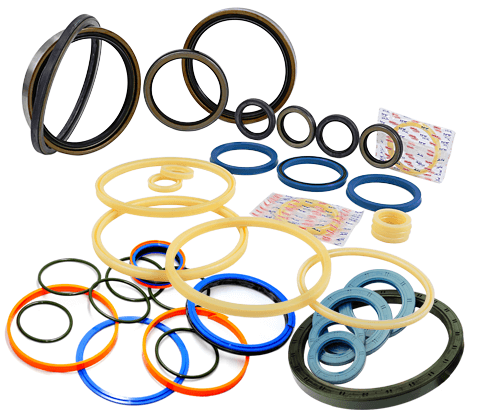
Rod seal sets come as genuine, sets from reputable seal makers, and cheap ones. A good seal is the correct size, holds pressure and heat steadily, so the rod stays dry longer and it lasts. A very cheap seal hardens easily and may be the wrong size, leaking again soon. For heavily-loaded cylinders, choose a correct set with clear provenance. Việt Trung Hải supplies NOK seals and rod seal sets for many machine series.
Common mistakes with a leaking rod
- Replacing the seal without checking the rod, so the new seal fails fast.
- Skipping the dust wiper, so dust keeps scoring the rod.
- Fitting a seal of the wrong size or direction.
- Letting a leak run until the rod is badly scored.
- Using dirty oil that degrades the seal quickly.
Rod oil leaks on new vs old machines
On a newer machine, a rod oil leak is usually from a faulty seal, wrong fitting or impact scoring the rod, and the rod is often still good so a seal change is enough. On an older machine with many hours, the rod has cycled many times and met dust for years, so scoring or worn chrome is more likely and re-chroming is often needed. So on an older machine, check the rod more carefully and prepare a re-chrome option, rather than defaulting to a seal change as on a new one.
How the work environment affects the rod
The work environment strongly affects seal and rod life. A site with sand, dust and mud scores the rod faster and wears the dust wiper sooner. Working in water or damp places rusts the rod while the machine rests. High heat and steady heavy loads harden the seal faster. Understanding the working conditions lets you tune the inspection and rod-wiping cadence to suit, rather than applying one interval to every machine.
How often should you check the rod?
There is no fixed number for every machine, but a good habit is to look at the rod each day before the shift and wipe it after a dusty shift. At scheduled service by machine hours, check the rod surface and dust-wiper condition carefully. Machines in harsh environments need checking more often. Catching a damp rod early lets you fix it while it is cheap, before the rod scores badly.
When you need rod seals and hydraulic seal sets or a hydraulic seal kit to fix a rod oil leak, say whether the rod is scored and send the machine model and the Việt Trung Hải technical team will advise. Read more in how to replace excavator cylinder seals, cylinder drift and excavator low on power. For seal-maker documentation, refer to NOK.
Key takeaways
- A rod oil leak is oil escaping past the wiper as the rod moves.
- A sound rod needs only a seal change; a scored or bent rod needs re-chrome or replacement.
- Always check the rod carefully before a seal change to avoid an early repeat.
- A failed dust wiper is a common rod-scoring source, so replace it with the seal set.
- A scored rod can cause both an oil leak and cylinder drift.
- Handling a leak early keeps the cost low and avoids rod damage.
Written by
Nguyễn Văn Hùng
Nguyễn Văn Hùng diagnoses excavator faults by symptom — sounds, heat and how the machine responds. He writes the guides that separate causes and lay out repairs from cheap to expensive, based on hands-on workshop experience.
Related parts
The exact parts discussed above — send your machine model or pump code to match.