Quick answer
Maintaining a hydraulic pump the right way means keeping the oil clean, changing filters on time, warming the machine before load, avoiding overload, and listening to the machine to catch trouble early. These are small daily habits, not grand secrets. Get these basics right and the pump wears slowly and runs smooth for years.
Maintaining a hydraulic pump the right way means keeping the oil clean, changing filters on time, warming the machine before heavy work, avoiding overload, and listening to the machine to catch trouble early. None of this is complicated. These are small habits, done steadily every day. Technicians who keep pumps alive do not rely on secret tricks. They get the basics right, at the right time. This article puts those habits into the words an excavator-repair technician would use with a machine owner, so the pump runs smooth and lasts longer.
What hydraulic pump maintenance means
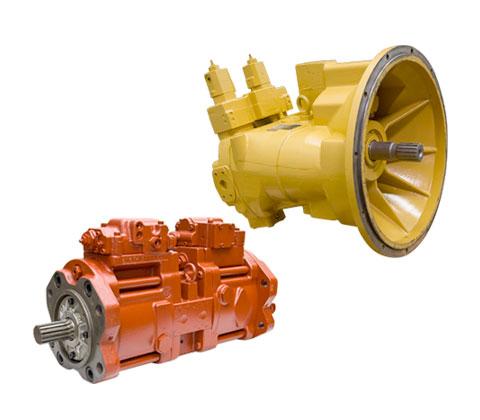
The hydraulic pump is the heart of the whole system. It turns engine rotation into a flow of pressurized oil that lifts the boom, swings the house, and drives the tracks. When the pump gets weak, the whole machine gets weak with it. Hydraulic pump maintenance is the chain of tasks that keeps that oil flow clean, cool enough, at proper pressure, and free of contamination. Do it well and the pump wears slowly. Do it carelessly and the pump dies young, and replacing a rotary group is never cheap.
Clean oil is the root of everything
There is a saying in the trade that never lets you down: clean oil feeds the pump, dirty oil kills it. A piston pump has very tight clearances between its internal parts. One hard grit particle is enough to scratch a sliding face. Many small particles adding up over time are more dangerous than one big scratch. So every other maintenance task revolves around one goal: keep the oil clean. If you remember only one thing from this article, remember that.
Why dirty oil kills a pump fastest
Dirty oil does not wreck a pump in a day. It grinds away slowly and quietly. Abrasive particles ride the oil flow, slip into the piston clearances, and widen the gaps. Wider gaps let oil leak past, pressure drops, and the pump works harder to make up for it. The machine heats up, the oil thins, the protective film gets thinner, and wear speeds up again. That is the failure spiral. Blocking it early with clean oil is always cheaper than fixing it later.
Change filters on time, do not let them clog
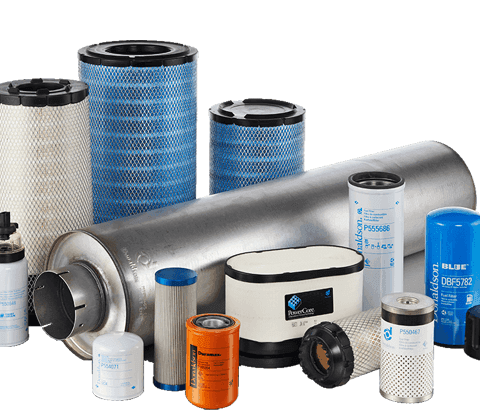
The filter is the barrier that stops dirt for the whole system. But a filter has limits. Once it packs full of dirt it clogs, and when it clogs, its bypass valve opens and lets oil run straight past, unfiltered. At that point dirt goes right into the pump. Many owners assume the filter is still fine because the machine still runs, but the filter has actually quit its job. Change the hydraulic filters on schedule, do not wait for symptoms. A filter costs far less than a pump.
Choose the right oil and follow the change interval
Use the exact oil grade the machine maker recommends. Do not mix oils of different base stocks, because the additives can fight each other and form sludge. Oil has a service life too: additives wear out, the oil oxidizes, and it produces acid and deposits. Change the oil too late and the pump swims in a grinding fluid. You can see the details in the guide on the hydraulic-oil change interval to set the right schedule for your machine age and working conditions.
Warm the machine before heavy work
In the morning the oil is still cold and thick. Thick oil flows poorly and struggles to fill the pump inlet. If you start up and pull a heavy load right away, the pump starves for oil, draws air, and wears fast. Let the machine idle a while, then work the boom up and down gently a few times. When the levers move smoothly and the engine note is steady, the oil is warm enough to carry a load. The warm-up habit costs a few minutes but saves the pump for years.
Avoid overload and keep sensible throttle
Overload means forcing the pump to work at high pressure without letup. The relief valve opens and dumps, the oil gets squeezed through a narrow gap, and heat builds right there. That heat burns the oil film and glazes the metal faces. A long, drawn-out squeal from the relief valve is a sign you are pushing the machine past its limit. Split the load sensibly, and do not try to lift too heavy a mass in one motion. Keeping the throttle only as high as needed also stops heat from piling up and keeps the pump healthy.
Listen for odd sounds early to save the pump
A healthy pump runs smooth and steady, a low hum. When a pump starts to fail, it speaks up first. A gritty rattle, a growl, a high whine, or a gravel-in-a-pipe crackle usually means air in the oil, which is called cavitation. When you hear an odd sound, stop and find the cause right away. Do not run it hard. One hour of pushing a cavitating pump can destroy parts that a simple retightened fitting would have saved.
How do you schedule hydraulic pump maintenance?
There is no single schedule for every machine, but there are shared rules. Daily work is looking and listening: check the oil level, scan for leaks, mind the engine note. Weekly work is cleaning: blow the dirt off the cooler, wipe around the pump so leaks show up. Work tied to machine hours is changing filters and oil per the recommendation. Yearly work, or work triggered by symptoms, is a deeper internal inspection. Write down each task so you know where you stand in the cycle.
Check oil level and leaks every day
A low oil level is a silent enemy. When oil is short, the pump easily draws air, and air inside the pump causes cavitation. Every morning, read the sight glass with the machine cold and parked on level ground. Walk around the machine and inspect the fittings, hoses, and the pump flange. A weeping film today is a puddle next week. A leak is also a door for air and dirt to travel back into the system, so sealing it early always pays.
Keep the cooler and radiator clean
Hot oil is weak oil. When the cooler packs with mud and dirt, the oil cannot shed heat, and hot oil goes thin and loses its ability to protect. Many machines work in dust, and the cooler clogs quickly. Blow the fins clean on a regular basis, working from the inside out to push the dirt away. Check the fan and the fan belt too. Keeping the cooling system clean is the cheapest way to keep the oil cool and the pump healthy.
Watch the oil temperature during work
You do not need a precise gauge to sense an unusual heat. A faint burnt-oil smell, a pump body hotter to the hand than usual, and oil foaming a lot as it returns to the tank are signs worth noticing. Oil that runs too hot hardens the seals, causes leaks, and speeds oxidation. When the machine runs unusually hot, ease off the load, let it run light to cool down, then find the cause: low oil, a dirty cooler, or a pump starting to wear inside.
Keep the suction line and strainer clear
Many people forget the pump suction line. This is where the pump draws oil up from the tank. If the suction strainer clogs or the line has a leak, the pump has to pull hard and sucks in air with the oil. That is a very common cause of cavitation that few people suspect. Check that the suction hose clamps are tight, the seals are good, and the strainer is not choked with sludge. A pump that growls when you raise the throttle often has a suction problem, not a fault in the pump itself.
Water and air mixed in the oil
Good oil is clear with a steady color. Oil that looks milky has water in it, usually from condensation or a failed seal. Water rusts parts and breaks down the oil film. Air in the oil creates foam, makes the pump noisy, and drops pressure. If you see the oil turn cloudy or foam that lingers, do not ignore it. Find where the water or air is entering and deal with it before it becomes major damage in the hydraulic rotary groups.
Storage when the machine sits idle
A machine parked for many days still needs care. Oil that stands still tends to separate water and settle sludge. Before you park it, run the machine warm so the oil mixes evenly, then shut down. Cap the breathers and cover the tank filler to keep out moisture and dust. When you restart after a long spell, warm the machine more thoroughly than usual, and work the levers gently through many cycles to push out air before heavy work.
The rotary group and signs of internal wear
The rotary group is the piston set, cylinder block, and valve plate inside. This is the wearing part that decides pump life. When it wears, the clearances widen, more oil leaks past, and you feel the machine grow weak: slow lifts, a sluggish swing, especially once the oil is hot. Familiar pump families such as K3V and K5V all follow this principle. Light wear can sometimes be reconditioned; heavy wear means replacing the group. Catching it early is always cheaper.
Correct pressure setting is maintenance too
A wrong pump pressure setting hurts as much as dirty oil. Pressure set too high overworks the pump and seals, generating heat and fast wear. Pressure set too low leaves the machine weak, so the operator crowds the levers harder and creates local heat. Setting pressure needs the right method and the right value for each machine model; cranking it up hard is not the answer. See the guide on adjusting pump pressure before you touch the valve, and if you are unsure, get an experienced technician.
Choosing replacement parts the right way
When you need a filter, seal, or rotary group, part quality decides how long the pump lives. Genuine parts give consistent fit and material. Good aftermarket parts work fine too, but cheap no-name parts can wear fast, shed debris, and destroy the good parts around them. Choose a source of hydraulic-pump parts with clear origin and the correct machine code. Saving in the wrong place here usually costs you the whole pump.
Common maintenance mistakes
A few mistakes repeat on the job site that I see all the time:
- Topping up with a different oil grade to reach level, causing additive conflict and sludge.
- Running the filter past its interval because the machine still runs, forgetting it has gone to bypass.
- Starting up and pulling a heavy load while the oil is still cold in the morning.
- Opening the tank filler in a dusty spot, letting dust drop straight inside.
- Ignoring an odd sound and running the job out before fixing it.
Avoid just these five and your pump already outlasts most machines of the same kind.
Keep a maintenance log
A small notebook or a note on your phone is worth more than memory. Record the oil change date, the filter change date, the machine hours at the time, and any odd sound you hear. With a record, you see the pattern: which week the pump runs hotter, which job dirties the oil faster. A log also helps a technician diagnose faster when needed, and holds resale value better.
Quick maintenance schedule table
The table below sums up the rhythm of tasks by habit, not by hard numbers. Adjust it to your machine age and your real working conditions.
| Rhythm | What to do | Why |
|---|---|---|
| Daily | Check oil level, scan for leaks, listen to the machine | Catch faults while still small |
| Weekly | Blow the cooler clean, wipe around the pump | Keep oil cool, make leaks visible |
| By machine hours | Change filters and oil per recommendation | Block dirt, keep oil effective |
| Longer intervals | Check suction line, seals, pump pressure | Prevent cavitation and hidden wear |
| On symptoms | Deep-inspect the rotary group | Save the pump before major failure |
When to send the pump for deep inspection
Some signs should not be handled in the yard. A machine clearly weak once the oil is hot, a growl that will not stop even with enough oil and a proper warm-up, metal flakes in the oil, or pressure that drops and will not hold. At that point the pump needs to be opened and inspected by someone with the tools and the experience. According to the technical documentation from Kawasaki, measuring and reconditioning the internal surfaces has to follow the proper procedure for the pump to run stable again. Do not begrudge one well-timed inspection.
Hydraulic pump maintenance needs no grand secret. It needs steadiness: clean oil, filters on time, a warm-up, no overload, and listening to the machine every day. Do that, and the pump runs smooth for years and rarely forces a big bill on you. When you need a filter, seal, or rotary group in the correct code, look through a source of hydraulic-pump parts with clear origin so you fit the right one with peace of mind. A machine cared for properly repays you with days of work free of breakdowns.
Key takeaways
- Clean oil is the root of all hydraulic pump maintenance.
- Change filters on time; do not wait until the filter clogs and bypasses.
- Warm the machine for a few minutes before heavy load to avoid oil starvation.
- Avoid overload and keep sensible throttle so heat does not pile up.
- Catch odd sounds early and stop to find the cause; never run it hard.
- Keep the cooler clean and choose parts with clear origin for long pump life.
Written by
Lê Minh Tuấn
Lê Minh Tuấn handles scheduled maintenance and machine longevity at Việt Trung Hải. He writes about oil, filters, service intervals and the habits that keep machines running reliably.
Related parts
The exact parts discussed above — send your machine model or pump code to match.
Related products
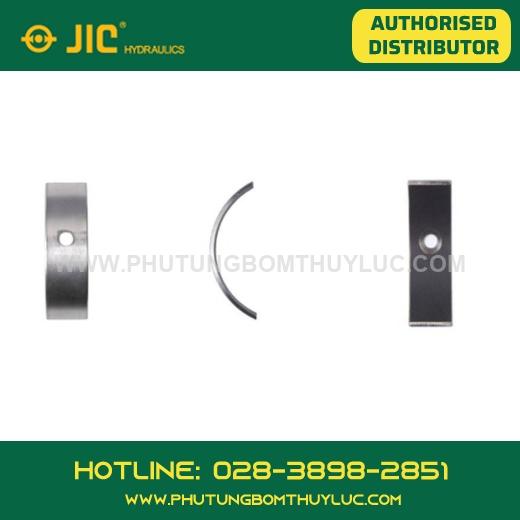 Kayaba (KYB) · PSVBushing – Kayaba PSVD2-17PSVD2On requestView · get a quote
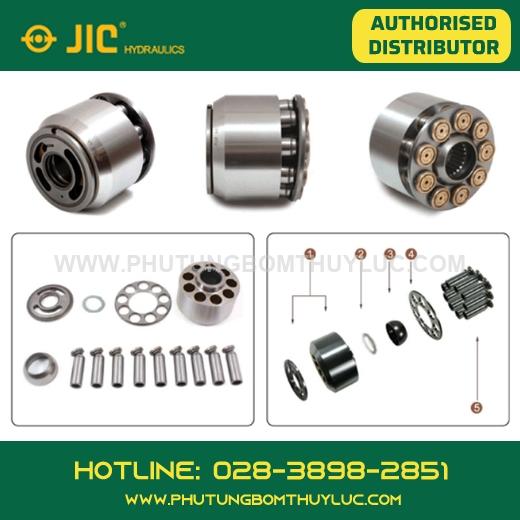 Kayaba (KYB) · PSVRotary group – Kayaba PSV2-55TPSV2On requestView · get a quote
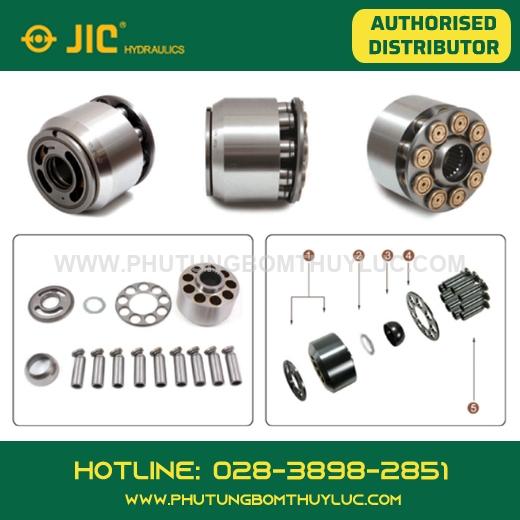 Kayaba (KYB) · PSVRotary group – Kayaba PSV2-60TPSV2On requestView · get a quote
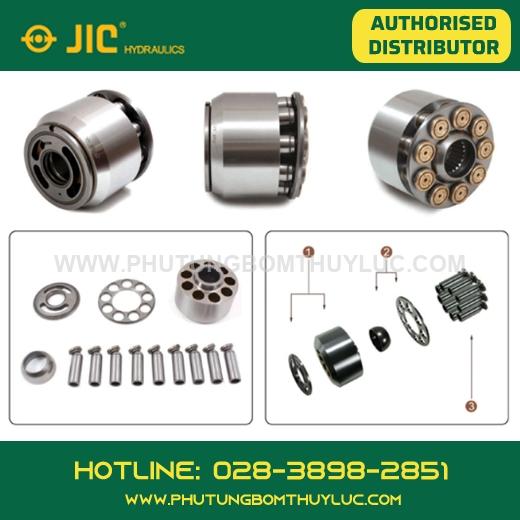 Kayaba (KYB) · PSVRotary group – Kayaba PSV2-63TPSV2On requestView · get a quote