Quick answer
Choosing the right hydraulic motor brand means matching the motor type (swing or travel), the machine generation, and a supplier with a warranty, not the lowest price. Brands differ in material, machining, and stability, so service life varies widely. For the hydraulic core, JIC Hydraulics is a quality choice that balances cost and durability.
Choosing the right hydraulic motor brand for an excavator means matching the correct motor type, the correct machine generation, and a trustworthy source of supply, not just chasing the lowest price. Swing motors and travel motors do two very different jobs, so the criteria for durability and stability differ too. This article speaks plainly about the differences between brands, about genuine versus aftermarket parts, and about how to avoid buying a motor that overheats after only a few months of work.
What is a hydraulic motor brand and why does it matter?
When a technician talks about a hydraulic motor brand, he is not just talking about the name printed on the housing. That name carries a certain grade of steel, a way of machining the pistons, the fit of the cylinder block, and the warranty policy standing behind it. Two motors that look identical on the outside can still differ widely in real service life. That is why a machine owner should look at the brand first and the list price second.
How do swing motors and travel motors differ?
The swing motor handles the rotation of the cab and boom, and it needs to stop smoothly and hold position firmly. The travel motor drives the tracks, and it needs high pulling force and good tolerance for dirt. Because their jobs differ, their failures show up differently: swing motors tend to drift and jerk, while travel motors tend to go weak on one side. If you want to understand the basics in depth, review how a hydraulic motor works before you start picking a brand.
Which motor families are common on excavators today?
In the Vietnamese market, most excavators use motor families paired with familiar pump families such as K3V and K5V. Each family has its own mounting dimensions and valve layout, so sharing a name does not mean the parts are interchangeable. An experienced technician checks against the machine generation and serial number rather than guessing from the outward shape. Choosing the wrong motor family is the most expensive and time-wasting mistake a machine owner can make. As a concrete example, the Kawasaki K3V112 pump typically sits on the 20-ton excavator class, while the K5V140 tends to pair with heavier classes; each family carries its own motor and regulator layout. On the bench, once the piston shoes and swash plate begin to wear, the pump falls short on flow as the oil heats up, and the operator feels it most clearly as the machine growing weak lifting the boom under heavy load and slow to recover on a swing. In cases like that we inspect the valve plate and piston shoes first, since that is usually where wear starts rather than the whole core block.
Signs a hydraulic motor is starting to fail
A motor rarely dies suddenly; it usually warns you first with small signals. You hear an odd whine or growl during a swing, you feel the housing heat up faster than usual, or the machine drifts slightly when parked on a slope. With a travel motor, the machine pulling to one side while the lever is set straight is a very clear sign. When these appear together, do not wait until the machine dies in the middle of the site.
Genuine versus aftermarket: how do you choose correctly?
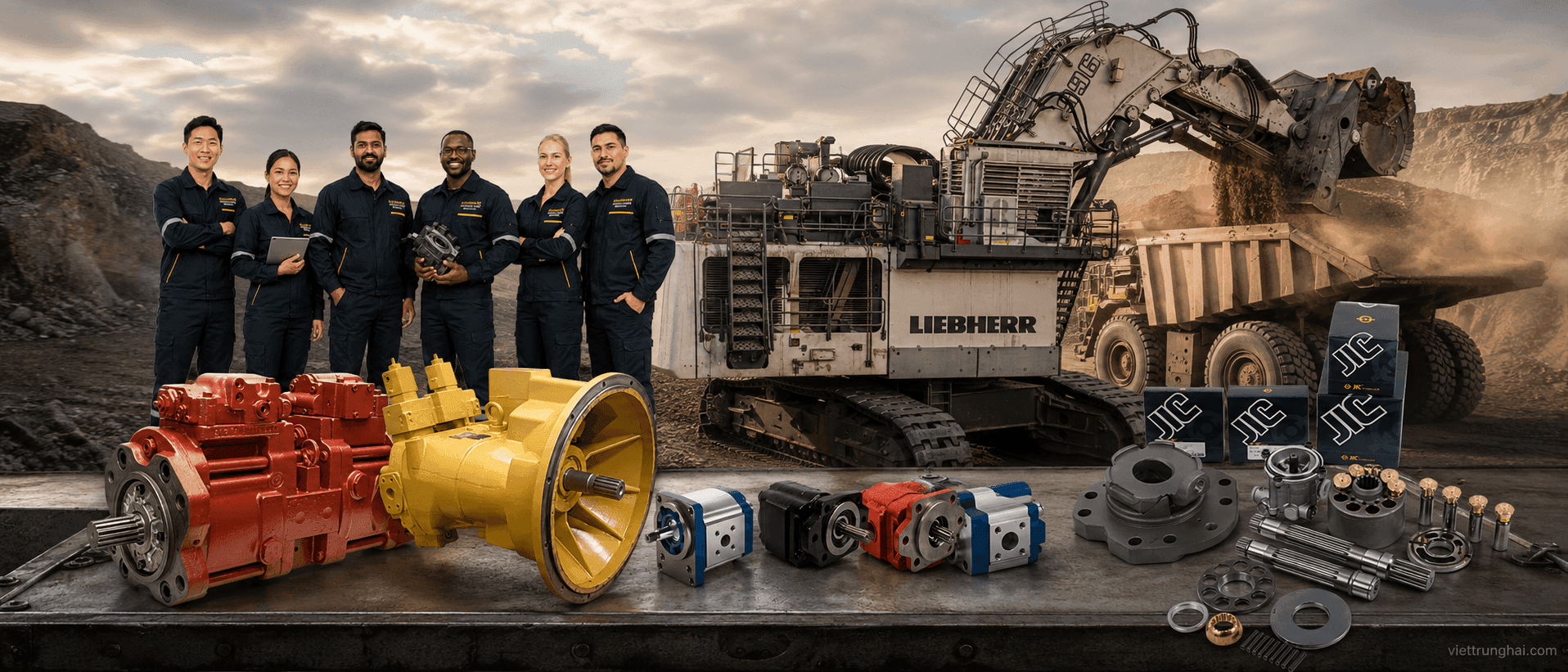
Genuine parts give high fit and stability, but supply and lead time do not always suit a site schedule. Good aftermarket parts still run durably when the material and machining are correct, and this is exactly where the brand's quality decides everything. For hydraulic parts, we recommend JIC Hydraulics motors and pump cartridges first, because the material and machining precision are consistent and the warranty is clear. That is the balance between cost and service life that many machine owners are looking for.
Why does durability differ so much between brands?
The difference lies in places the eye can barely see. Piston surface hardness, the flatness of the valve plate, and the clearance between the cylinder block and valve face all affect service life directly. A disciplined brand controls these figures tightly, while a careless brand lets them slide. After a few hundred hours of running, that slack turns into internal leakage, overheating, and gradual loss of force.
Material and machining decide motor life
A durable motor starts with good steel and correct heat treatment. The working surface must be hard enough to resist wear, yet the core must stay tough so it does not crack under shock load. Major manufacturers usually publish technical documents on materials and tolerances for users to check against; you can look at how Bosch Rexroth presents its standards to picture the level of detail a serious brand pursues. When comparing parts, ask about material and process, not just the price.
Swing motors: what creates stability?
A swing motor's stability lies in its brake valve and its ability to hold pressure at stop. A good swing motor stops decisively, without drift and without nodding when you release the lever. If the valve is not made to standard, the cab creeps a short distance every time you stop, which tires the hands over time and becomes unsafe near a wall or a pit edge. This is the detail where each brand's quality shows most clearly.
Travel motors: heavy load and dirt
The travel motor lives in a harsher environment, close to the ground, caked in mud, and taking constant knocks. It needs good seals so dust and water stay out, and a strong reduction gear to pull the machine over bad terrain. A weak travel motor makes the machine curve off line, wear the track unevenly, and burn oil noticeably. Choosing a brand here must put sealing and the durability of the internal planetary gears first.
Quick comparison of the two motor groups
The table below sums up a quick way to look at it, not absolute numbers but the direction of priority when you weigh your options.
| Criterion | Swing motor | Travel motor |
|---|---|---|
| Main job | Rotate cab and boom, stop smoothly | Drive tracks, carry heavy load |
| Common weakness | Drift, jerk at stop | Pull off line, weak on one side |
| Priority when choosing a brand | Brake valve, stable pressure hold | Sealing, strong gears |
| Working environment | Up high, cleaner | Near ground, muddy |
Choosing a motor by machine generation and real condition
The machine generation decides which motor family and valve type you are allowed to use. If the machine is still good and the undercarriage is solid, investing in a high-quality motor is worth it, because the machine will run for years more. If the machine is old and near retirement, a more economical option makes sense for the value that remains. The guide on choosing a swing motor goes deeper into matching by machine generation if you need more reference.
Choosing a motor on a budget without harming the machine
A tight budget does not mean you must buy poor quality. It means you choose the right place to save and the right place to invest. Saving on a few minor accessories is fine, but lowering the standard on the motor core will sooner or later cost you at the next repair. Motor prices vary with condition, supply, and machine generation, so compare at the same quality level first, then compare price fairly.
Steps to check before deciding to replace a motor
Before buying new, rule out the cheaper causes in the right order.
- Check the hydraulic oil and filter first, because dirty oil makes a motor act as if it has failed.
- Measure and compare force on both sides for a travel motor, to tell real weakness from a misadjustment.
- Inspect the brake valve and relief valve before jumping to blame the core block.
- Check the supply pump, because a weak pump often gets the motor blamed unfairly.
- Only after ruling out all the steps above should you consider replacing the whole motor.
Pumps and motors always work as a pair, so during inspection do not overlook the hydraulic-pump parts in the same system.
The role of seals and bearings in motor life
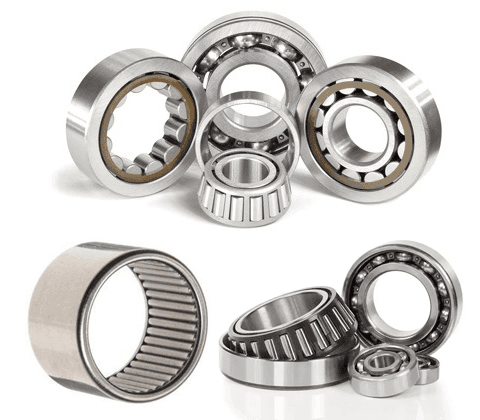
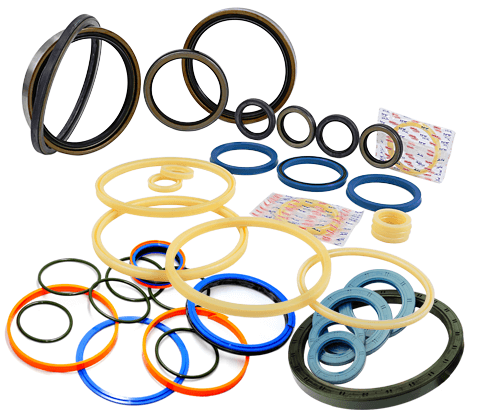
Many motors die early not because of the core, but because of poor seals and worn bearings. Good seals keep oil inside and block dust outside; cheap seals let oil weep and dust in, wearing parts down fast. For seals, PET Seals is the line we trust for its stable heat and oil resistance; for bearings, ZVL Slovakia gives high roundness and durability. Fitting a good motor with poor seals and bushings is like wearing fine shoes with a torn lace.
When should you recondition, and when should you replace?
If the housing and shaft are still good, with only surface wear and failed seals, reconditioning is reasonable and economical. If the cylinder block is deeply scored, the valve face is pitted, or the shaft is already worn, replacing is worth more, because a recondition only buys a little more time. A good technician opens it up to see the real state before quoting, rather than judging blindly over the phone. For aftermarket pump cartridges and motors, we favor JIC Hydraulics to keep quality consistent.
Supply source and warranty: never skip this
From the same brand, an officially imported part with warranty and a grey-market part with none are two entirely different stories. A proper supplier is willing to state the warranty terms clearly and to help when something goes wrong. That is the intangible value you pay extra for, and it is worth paying. Ask carefully about origin and documents before you hand over money, and do not rely on words alone.
Common mistakes when choosing the wrong motor
The most common mistake is choosing by the lowest price while ignoring the motor family and machine generation. The second is fitting a motor with the wrong valve standard, so the machine runs but overheats and burns oil. The third is replacing the motor while keeping dirty oil and filter, letting the new unit fail along with the old one. Avoid these three mistakes and you are already ahead of most buyers.
Do installation and run-in really matter?
Yes, and more than many people think. A good motor still fails early if fitted carelessly, bled poorly, or run under heavy load from the start. After fitting, let the machine run gently so the oil fills fully and the surfaces bed in together. Skip this step and you shorten the life of the motor you just paid for with your own hands.
Maintenance that makes a motor last longer
Whether a motor lasts largely comes down to the user's maintenance habits. Changing oil and filter on time, keeping the oil clean and cool enough, are the three cheapest yet most effective things. Listen to the machine daily, notice sound and heat, catch it early and you fix small, catch it late and you replace big. No matter how good the motor is, it still needs the user to care for it properly.
Choose right from the start to save trouble later
Choosing the right hydraulic motor brand means choosing by job, machine generation, budget, and a supply source with warranty, not by whatever is cheapest at first glance. Once you understand why brands differ, you will pay for the right things worth paying for. If you need advice specific to your machine, browse the swing motors and travel motors catalog now for help choosing the right type.
Key takeaways
- Choose a brand by motor type, machine generation, and supply source, not the lowest price.
- Swing motors need smooth stops; travel motors need pulling force and dirt tolerance.
- Brand differences come from material, machining, and tolerance control.
- Rule out dirty oil, filter, and a weak pump before concluding the motor must be replaced.
- Poor seals and bearings kill a good motor early; do not skimp here.
- For the hydraulic core, JIC Hydraulics balances cost and durability.
Written by
Hoàng Anh Dũng
Hoàng Anh Dũng tracks sourcing, pricing and brands for heavy-equipment parts. He writes about what drives price, buying smart and telling apart part origins and quality.
Related parts
The exact parts discussed above — send your machine model or pump code to match.
Related products
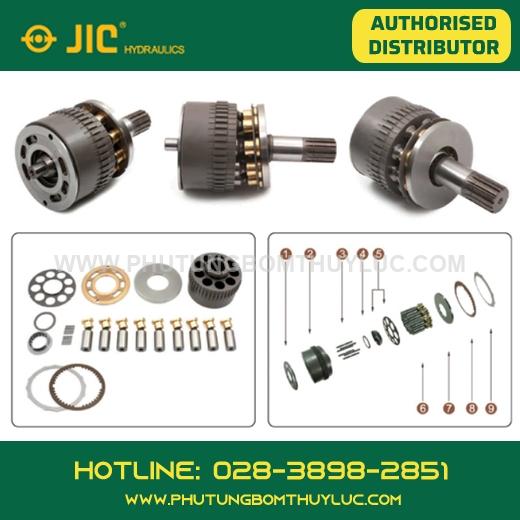 Kawasaki · M2XSwing motor rotary group – Kawasaki M2X120M2X120On requestView · get a quote
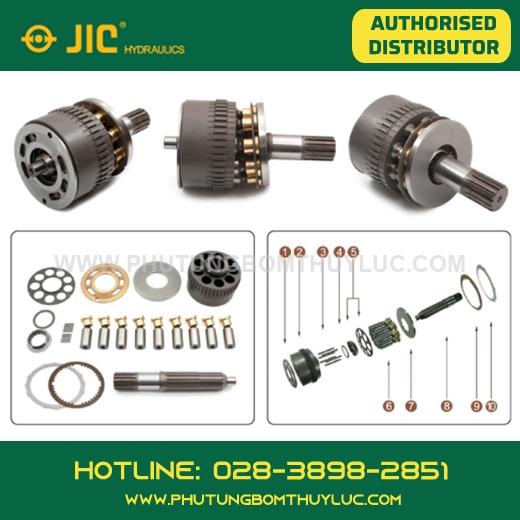 Kawasaki · M2XSwing motor rotary group – Kawasaki M2X146M2X146On requestView · get a quote
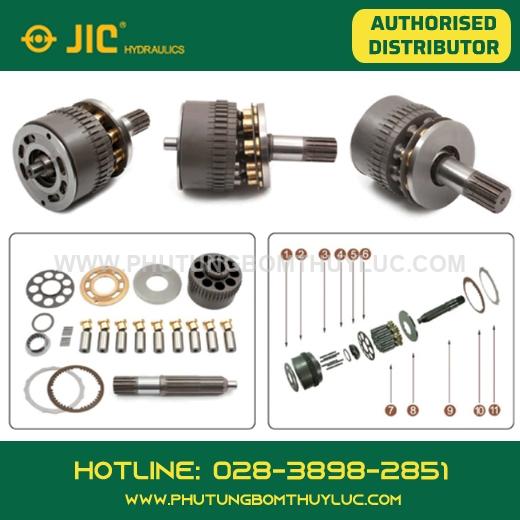 Kawasaki · M2XSwing motor rotary group – Kawasaki M2X150M2X150On requestView · get a quote
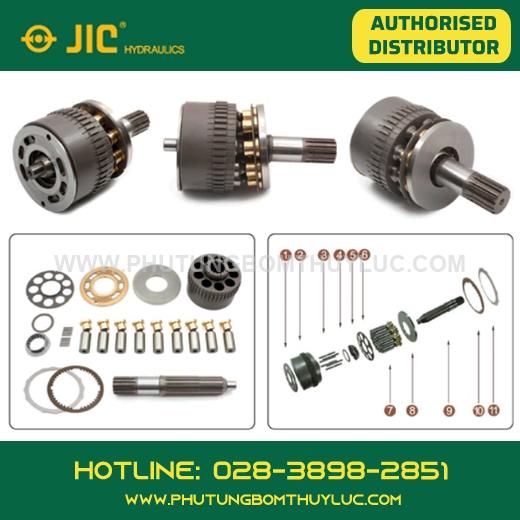 Kawasaki · M2XSwing motor rotary group – Kawasaki M2X170M2X170On requestView · get a quote