Quick answer
You tell genuine from fake NOK seals mainly by the packaging, print quality, rubber elasticity, spring and price. Genuine parts print sharply, the rubber is evenly elastic, and the size is correct; fakes are often warped, blurry and unusually cheap. When in doubt, match the code with your supplier before fitting.
NOK oil seals are used all over excavator pumps, cylinders and hydraulic motors. Because they sell well, this brand gets copied a lot in the market. Knowing how to tell genuine from fake NOK seals saves you from buying wrong, from oil leaks, and from tearing the machine down again after only a few dozen hours. This guide gathers what mechanics check at the counter: packaging, printing, rubber, spring, size and price — with a quick comparison table and concrete steps.
What NOK Seals Are and Why They Get Copied
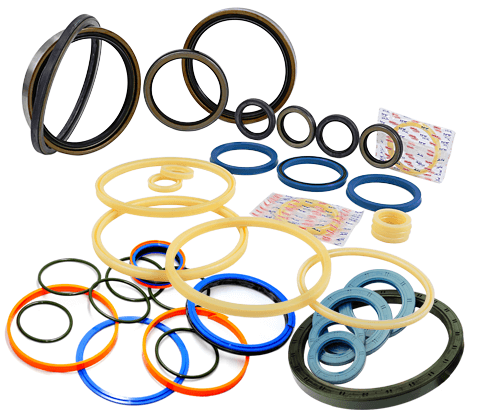
NOK is a major Japanese maker of rubber seals and gaskets. On an excavator, their parts sit on rod ends, gland necks, pump shafts and swing motors. Because of that wide coverage and long reputation, the name gets faked often. Copies borrow the logo and the box color, but the rubber inside is nothing alike. A set of hydraulic seals fitted to a machine must take pressure, heat and constant rubbing. Fakes do not meet those demands, so they fail early. Understanding the seal's job is why checking before fitting matters.
Why Tell Genuine From Fake NOK Seals Before Fitting
A single seal costs little, but it sits deep inside a cylinder or pump. To replace it you must strip the assembly, drain oil, and lose labor and machine time. If you fit a fake by mistake, the real cost is the second teardown, not the seal. So checking a seal at the counter is the cheapest step in the whole chain. A few minutes of inspection buys a quiet week of running. That is why experienced mechanics always look closely before leaving the shop.
Look at the Packaging First
Packaging is the first thing you see and the first place a fake shows. A genuine box prints evenly, with clean edges and flat glued seams. Text on the box is crisp, aligned, and free of spelling errors. The inner bag is thick, sealed tight, and not wrinkled. Fakes often use thin paper, faded color, and blurry corners. A crooked label or peeling glue is another sign. Nice packaging does not prove a genuine part, but sloppy packaging almost always means trouble.
Check the Printing, Logo and Code on the Body
Genuine seals usually carry the maker name, size code and material mark stamped or printed on the body. The characters are sharp, even, and in the right place. On fakes, the printing is shallow, blurry, off-line, or missing characters. Some even use the wrong font compared to what you know. Pull out an old genuine seal to compare if you kept one. Match each character and the layout. Small details on the body say more than the outer box.
Squeeze Test: Feel the Rubber Elasticity
Genuine rubber springs back fast to its shape after you squeeze it. Press the seal lip and release; it snaps back cleanly, leaving no mark. Fakes are often stiff or mushy, holding a dent after the squeeze. Some are mixed with recycled plastic, so the surface feels chalky, not smooth. Hold two in hand and the difference is usually clear. This is a quick test that needs no tools.
Color and Surface of a Genuine Seal
A genuine seal's color is even through and through, not blotchy. The surface is smooth, with no air pits and no flash at the edges. The parting line, if any, is thin and neat. Fakes often show flash, ragged cut edges, or uneven color. Under angled light you can see pits and ripples clearly. A bad surface means a bad mold and bad material, and those two go together.
What Does the Rubber Smell Tell You?
This is a sign mechanics skip but it is reliable. Good NBR or FKM rubber has a typical rubber smell, not a harsh one. Adulterated rubber often gives off an acrid, burnt-plastic or strange chemical smell. A faint burnt odor points to recycled material or cheap additives. Good rubber resists oil and heat; cheap rubber does not. Smelling it is a crude check, but often a sensitive one.
Check the Spring and Lip Ridge
Many shaft seals have a garter spring that presses the lip onto the shaft. A genuine spring is evenly coiled, bright, springy, and rust-free. Pull it lightly and it contracts evenly and holds tension. Fakes often use loosely coiled springs that stretch out, or ones already rusting. The genuine lip ridge is sharp and continuous, not chipped. The lip touches the shaft directly, so one small flaw here is enough to cause a leak.
Measure Size and Consistency
A genuine seal has the inner diameter, outer diameter and thickness to the maker's spec for the model. Set the seal on a flat surface; it should lie flat, not warped or oval. Rotate it and check the thickness stays the same all around. Fakes are often off by a bit, fitting too tight or too loose. Even a small size error makes the seal sit crooked and wear fast. If you have an old seal of the same code, stack them and compare.
Quick Comparison Table: Genuine vs Fake NOK
The table below gathers the easiest points to check at the counter.
| Criterion | Genuine | Fake |
|---|---|---|
| Packaging | Sharp print, flat seams, sealed bag | Thin paper, faded print, crooked label |
| Body printing | Clear, even, correctly placed | Shallow, blurry, off-line |
| Rubber | Elastic, snaps back fast | Stiff or mushy |
| Surface | Smooth, no flash | Pitted, flashy, blotchy |
| Spring | Even coils, no rust | Loose coils, stretches |
| Price | Reasonable for the market | Unusually cheap |
Steps to Tell Genuine From Fake NOK at the Counter
Follow this order so you skip nothing:
- Look at the packaging, label and print sharpness.
- Inspect the printing and stamped code on the body, compare with an old seal.
- Squeeze the lip to check elasticity.
- View the surface under angled light for flash and pits.
- Check the spring and lip ridge.
- Lay it flat and compare size with an old seal of the same code.
- Ask the price and compare it to the going rate.
If any step feels off, stop and ask before you pay.
How Do Fake Seals Fail in Service?
A fake seal can look fine when new, but a few dozen hours reveal it. Heat-poor rubber hardens, cracks, then leaks. A fast-wearing lip leads to a leaking cylinder rod that wets the whole boom. Some swell because they do not suit the oil and jam in the groove. When a seal dies, oil loses pressure, the machine weakens, and dirt gets in. A seal worth a few coins drags down a cylinder assembly worth far more.
Genuine, Replacement or Salvage?
Not everything that is not genuine is junk. The market has three groups: genuine, quality replacement from another reputable maker, and salvage pulled from machines. Good replacement still runs long if the material and size are right. Salvage is hit or miss, depending on whether the piece is still good or already hardened. Trouble only starts when a fake poses as genuine and sells at the genuine price. The guide on genuine vs replacement parts breaks down how to choose for each budget.
An Unusually Low Price Is a Stop Sign
Price is the most honest signal. If a seal set is offered far below the market, ask why. Genuine parts have their cost; nobody sells at a loss steadily. Unusually cheap often comes with fakes, defects, or old stock gone hard. Expensive does not prove genuine either, but too cheap almost always has a reason. Weigh the price with the other signs, not the number alone.
Where to Buy to Lower the Fake Risk
Where you buy decides most of the risk. A known supplier who sells sourced hydraulic seal parts will stand behind a warranty when something goes wrong. Floating sellers make returns hard and sourcing harder. Ask clearly which group the part is in: genuine, replacement or salvage. A seller honest about origin is usually more trustworthy. Buying at the right place avoids most trouble from the start.
Fit It Right So a Genuine Seal Does Not Die Early
A genuine seal still fails early if fitted carelessly. The groove must be clean, unscratched, with no old seal left behind. Lubricate the lip before fitting; never drive a punch straight onto the lip. Fitting it crooked, catching an edge, or tearing the lip kills it on the first run. See how to replace cylinder seals to get each step right. A good seal plus correct fitting is what gives the life you expect.
Store Seals Correctly in the Warehouse
Rubber hates sun, heat and stray grease. A seal left in the sun hardens and cracks before it is ever fitted. Keep seals in sealed bags, in a cool dry place, out of direct sun. Do not hang seals on a nail and warp the ring. Use older stock first so nothing sits too long. Poor storage turns a genuine seal into scrap, then gets blamed on fakes.
Common Mistakes When Checking Seals
The most common mistake is trusting the box alone. A box is far easier to fake than the rubber inside. The second is chasing a low price and fitting it anyway. The third is not keeping the old seal to match code and size. The fourth is fitting without re-measuring the groove and shaft. Skipping these small steps is why many leak jobs come back early.
Matching a Set by Machine Model and Pump Code
A cylinder or pump needs the right seal set for the right model. Buying one piece at a time risks a miss or a wrong code. Note the machine model, pump code and cylinder code when ordering. The supplier will pull the right set for you and avoid over- or under-buying. The right set means one teardown, not two. Material and size specs follow the maker's spec for the model.
When to Ask the Supplier to Verify
When you are not sure, do not guess. Photograph the packaging, the seal body and the code, then send them to the supplier. An experienced seller spots many odd points from a photo. Include the machine model and pump code so they pull the right set. Checking before fitting is always cheaper than a second teardown. One message to be sure beats a day of downtime.
At Việt Trung Hải we inspect stock by these same steps before it ships. Send us your machine model and pump code so we can match the right seal set for your machine. To check original material and marking information, see the maker's site NOK. Check once, run quiet for months.
Key takeaways
- Tell genuine from fake NOK seals by packaging, printing, rubber, spring, size and price.
- Packaging is easy to fake, so inspect the rubber and the stamped body markings closely.
- Genuine rubber is elastic and snaps back fast; fakes are stiff or mushy.
- An unusually low price almost always has a reason, so stop and check.
- Even a genuine seal dies early if fitted carelessly or stored wrong.
- When in doubt, send photos and the pump code to the supplier to verify before fitting.
Written by
Đỗ Thị Hương
Đỗ Thị Hương handles parts lookup and fitment, especially hydraulic seals. She writes about choosing the right seal size, spotting genuine parts and matching parts to the machine by code.
Related parts
The exact parts discussed above — send your machine model or pump code to match.