Quick answer
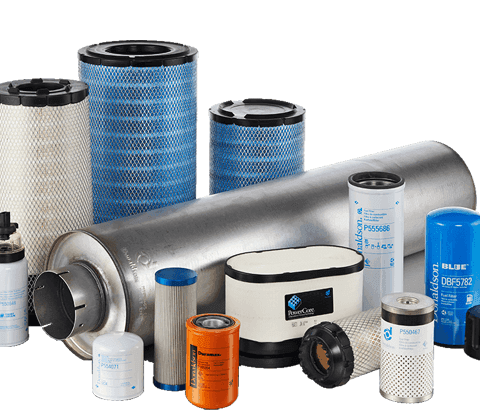
Choosing a hydraulic filter right means getting three things right at once: the right position (suction, return, or pilot), the right micron rating, and the right thread and size. Two elements that look alike outside can be different inside, and a wrong fit wears the pump and valves until the machine goes weak, hot, and jerky. The safe way is to look up by machine number and year, then match all four specs before buying.
Choosing a hydraulic filter correctly means getting three things right at the same time: the right position on the machine (suction, return, or pilot), the right micron rating, and the right thread and size. Two filter elements that look identical on the outside can be completely different inside. When you choose a hydraulic filter wrong, the pump and valves do not fail that day, but they wear quietly until the machine goes weak, hot, and jerky. This guide walks through each point so you can hold your old element up, compare it, and buy the right one the first time.
Choosing a hydraulic filter means getting three things right at once
People often think a hydraulic filter is just a paper element, and any one will do as long as it fits. In reality each element is designed for one job. Choosing a hydraulic filter is about matching three factors: mounting position, filtration rating, and mechanical size.
These three do not substitute for each other. Right rating but wrong position still fails. Right position but wrong thread and it will not seat, or it seats and leaks. A good technician checks all three before paying.
Suction, return, and pilot filters — each position has its job
On an excavator, oil moves in a closed loop. The suction filter sits before the pump inlet, holding back large particles so the pump does not swallow debris. The return filter sits on the line going back to the tank, and this is the finest point because it carries most of the metal wear generated while the machine works.
The pilot filter serves the control circuit, the one that shifts the directional valves and keeps the joysticks light. The pilot circuit needs very clean oil because the clearances inside pilot valves are tiny. These three positions need different fineness, so you cannot take an element from one and fit it to another.
Why fitting a filter in the wrong position harms the whole system
Suppose you take a very fine return element and fit it on the suction line. Too fine, it chokes the flow and starves the pump. A starved pump squeals, heats up fast, and over time scores the piston surfaces inside. This is the slow kind of failure owners blame on the pump maker, when the real fault is a filter fitted in the wrong place.
The reverse also hurts. Fit a coarse suction element on the return line and metal wear slips through, goes back to the tank, and into the pump on the next loop. The whole system gets dirty. Because everything shares one oil tank, one wrong filter contaminates every part downstream of it. That is why the hydraulic filters step should never be done carelessly.
What is a micron rating and why you should not guess
Micron is the unit that measures how fine an element is, simply put the size of particle the mesh holds back. A smaller micron rating means finer filtration, holding smaller particles. It sounds like finer is always better, but that is not the case.
Too fine in the wrong spot clogs fast and chokes the flow. Too coarse where you need clean oil lets dirt through. Choosing the right micron rating means fine enough for that position, no more, no less. The exact number depends on the machine model and the maker, so you have to look it up for your own machine.
Choosing the micron rating by position on the machine
The general rule is easy to remember: the suction line is the coarsest, the return line is finer, the pilot circuit needs the cleanest oil. The reason is that the flow and the sensitivity of the parts behind each position differ.
The pump needs oil to flow in freely, so the suction cannot be too fine. The pilot valve has very small clearances, so it needs clean oil. You do not need to memorize the numbers, just understand this order so you never fit them backwards. When changing oil, choosing the rating should go together with choosing hydraulic oil at the right viscosity for your machine.
How do you read the right filter spec for your machine year?
The same machine line but a different year can use a different element. Makers sometimes change the design while keeping the outside the same. So the safest way is to look it up by machine number and year, not by eye.
Holding the old element up to compare is a start, but comparing the outside is not enough. You should match the number printed on the old element against the original technical documents. According to the technical documentation from Volvo, filter specs are listed clearly per machine configuration, and that is the kind of document worth relying on instead of memory.
Thread and size — small details that ruin a whole session
Two elements can share the same micron rating but have different threads. A thread off by a little will not turn in, or turns in and leaks. The diameter, element height, and seal type must also match so the element seals tightly in place.
Many people buy in a hurry, get back to the machine, and only then find it does not fit, losing the whole session. The way to avoid this is to measure and note the thread, diameter, and height of the old element before you go buy. A photo of the old element with the measurements helps the seller find the right part much faster.
Beta ratio and the dirt-holding capacity of the element
Beyond the micron rating, an element also has a figure that tells you how well it holds dirt and how long it lasts before clogging. Two elements marked with the same micron rating can still differ in dirt-holding capacity. A good element holds more wear before it needs changing.
This matters for machines working hard in dusty conditions. A cheap element that holds dirt poorly clogs early, pushes oil through the bypass valve, and then dirty oil goes straight into the system. Paying for an element that holds dirt well is usually cheaper than repairing the pump later.
Paper filter or synthetic media — what is the difference
Pleated paper elements are the common type, easy on the wallet, and fit many machines. Synthetic media elements usually hold dirt better and stand up better to strong flow. Neither is absolutely better, it depends on the position and the working conditions.
A machine running smooth under light load, paper is enough. A machine working continuously, under heavy load, in dust, synthetic media is worth considering. The key point is that whichever you pick, it must still be the right micron rating and the right size for that position.
How do you know the filter is due for a change?
The surest way is to follow the maker's schedule, but the machine also gives you signals. The machine going weak, slow on the boom, and heating the oil faster than usual are signs the filter is starting to clog. Some machines even have a light or a gauge for the pressure drop across the filter.
If you just changed the oil and the filter clogs unusually early, that is a sign the system is generating a lot of wear and needs a closer look. Do not just swap the filter and stop. Filter changes should be tied to the hydraulic-oil change interval so both oil and filter stay in good shape at the same time.
The bypass valve inside the filter and why you should not ignore it
Most hydraulic filters have a bypass valve inside. When the element clogs enough to choke the flow, this valve opens so oil still gets through and the pump is not starved. That sounds good, but oil going through the bypass is unfiltered oil.
It means leaving the element clogged for a long time sends dirty oil all over the machine without you knowing. The bypass valve is a temporary rescue, not something to lean on. Changing the element on time keeps the bypass valve from almost ever having to open.
Genuine or aftermarket?
Genuine parts give high reliability and the exact original spec, but cost more and can be hard to get quickly. A good aftermarket element can reach nearly equivalent quality at a friendlier price. The issue is not the name but the real quality and a clear source.
If you go aftermarket, choose a reputable seller who can match the exact spec by machine year. An aftermarket element with the right micron rating, the right size, and good dirt-holding will work fine. The worst thing is buying a no-name element just because it is cheap, then having it wreck the hydraulic-pump parts downstream.
Signs of a poor-quality filter to avoid
A poor element usually shows in the details. Sparse or uneven paper pleats, sloppy glue at the seams, a seal that is too hard or too loose are all worrying signs. If it feels featherlight, the casing is thin, and the printing is blurry, be wary too.
A poor element can let dirt through from the start, or tear during work and dump a handful of wear into the system. This is the most expensive kind of saving. Spending a little more for an element with a clear source is always worth it.
Fitting the filter right so no air or dirt gets in
Choosing the right element is only half the job, fitting it right completes it. Before fitting, wipe the filter seat clean so old grit does not fall in. Smear a thin film of oil on the seal so it presses evenly and does not twist as you turn it.
For cartridge-type elements, fill the element with clean oil before fitting to cut the time the pump runs dry at startup. Turn it hand-tight per the instructions, do not overtorque and damage the thread. After starting the engine, check around the filter for leaks.
Filter and oil have to go together
Filter and oil are a pair. Oil of the wrong viscosity makes the filter clog fast or choke the flow, while the wrong-rated filter makes the oil dirty fast. Changing the filter but keeping dirty old oil, or changing the oil but keeping a clogged old element, both waste the effort.
The clean way is to account for both oil and filter together at every major service. Right oil, right filter, changed on time, and the pump and valves live long. This is the cheapest habit that keeps a machine healthy.
Common mistakes when choosing a hydraulic filter
The most common mistake is buying by appearance, grabbing whatever looks alike. The second is chasing the finest element thinking fine means good, then fitting it on the suction line and starving the pump. The third is running the element past its due date because the machine still runs and nothing fails right away.
The fourth is buying a no-name element just because it is cheap. The fifth is changing the filter but forgetting the oil. Each mistake sounds small on its own, but together they cut pump life fast. Avoid these five and you are already ahead of most machines of the same type.
Quick selection table by filter position
The table below sums up the rule by position. This is a general memory aid, and the exact numbers still come from your machine's documents.
| Filter position | Fineness needed | Main priority | Risk if chosen wrong |
|---|---|---|---|
| Suction filter | Coarser | Free oil flow into the pump | Pump starvation, squeal, heat, scored pistons |
| Return filter | Finer | Hold the metal wear generated | Dirt back to tank, whole-system wear |
| Pilot filter | Finest | Clean oil for control valves | Pilot valve stuck, jerky joysticks, control faults |
A six-step process for choosing the right filter
Follow this order and it is hard to go wrong:
- Identify the exact position you are replacing: suction, return, or pilot.
- Look up the machine number and year for the correct original spec.
- Note the required micron rating for that position.
- Measure the thread, diameter, and height of the old element.
- Match all four of these when buying, not just the shape.
- Choose a clear source, favoring dirt-holding quality over the lowest price.
When to ask a technician instead of guessing
If your machine has had its oil lines modified, or the old element no longer has a readable number, do not guess. If the filter clogs unusually early after an oil change, that is a sign of a deeper problem that needs an experienced eye. One call to a technician is far cheaper than one pump replacement.
A good seller will ask you for the machine number, year, and filter position before quoting. If they sell without asking anything, be careful. Choosing the right filter is a job that needs information, not a game of chance.
Choose the right filter from the start to keep the pump alive
Choosing a hydraulic filter right is not hard: the right position, the right micron rating, and the right size, plus a clear source. Get these three right and your pump and valves will live far longer than the cost of one good element. If you need to match the exact element by machine year, see the hydraulic filters catalog and send your machine number for help getting it right the first time.
Key takeaways
- Choosing a hydraulic filter right means the right position, micron rating, thread, and size.
- The suction filter is coarsest, the return finer, and the pilot circuit needs the cleanest oil.
- A wrong position starves the pump or lets wear through, harming the whole shared-tank system.
- Look up by machine number and year; do not guess the element by eye since they look alike.
- Measure the old element thread, diameter, and height before buying to avoid losing a session.
- Change the filter on time so the bypass valve almost never has to open.
Written by
Đỗ Thị Hương
Đỗ Thị Hương handles parts lookup and fitment, especially hydraulic seals. She writes about choosing the right seal size, spotting genuine parts and matching parts to the machine by code.
Related parts
The exact parts discussed above — send your machine model or pump code to match.