Quick answer
Rainy season excavator care focuses on keeping water out of the hydraulic oil and fuel, protecting the rods from rust, keeping the electrics dry and washing the undercarriage daily. The right way is to check the breather, drain the water trap, retract the rods when parking and grease more often than usual.
Rainy season excavator care takes more attention than usual, because water and mud attack the machine from every side. Long rain lets water slip into the hydraulic oil, rusts the cylinder rods, corrodes electrical connectors and packs mud into the undercarriage. This guide gathers how a field mechanic keeps a machine running well through the wet months: from keeping water out of the oil, to stopping rod rust, to washing the undercarriage and tightening the grease schedule. A few small habits done right save you from big, costly failures.
What does rainy season excavator care cover?
Rainy season excavator care is the set of jobs that keep a machine dry, clean and well greased through steady rain. The focus is keeping water out of the oil and fuel, protecting the rods from rust, keeping the electrics dry, and not letting mud harden in the undercarriage. Unlike the dry season, the wet season needs more frequent checks and thoughtful parking. Knowing the scope keeps you from missing a point.
Why does the rainy season harm excavators more?
Water is the quiet enemy of a hydraulic machine. Steady rain raises humidity, and water vapour condenses in the oil and fuel tanks each time the machine cools. Mud packed around the rods, pins and connectors holds moisture and speeds up rust and corrosion. Slick ground also makes the machine work unsteadily and slip. Together, the wet season both wears the machine faster and raises the risk of accidents if you get careless.
Water in the hydraulic oil: the biggest worry
Water in the hydraulic oil is the scariest failure of the wet season. Water strips the oil of its lubricating power, rusts the pump, valves and cylinders, and foams so the machine jerks. It gets in through a leaky breather, a worn rod seal, or rain blowing in while you change a filter. Water-laden oil left long ruins the whole system, and the repair cost is large. So keeping water out of the oil is priority one.
Spotting water in the oil: the milky sign
Water-contaminated oil usually turns cloudy like milk, called an emulsion. When you pull the dipstick or open the sight glass, oil that looks whitish instead of clear likely holds water. A layer of water may settle below the oil at the tank bottom. The oil smell can change too. When you suspect water, take a sample to check and hold off heavy loads until it is handled.
The oil and fuel tank breathers
The breather is the easiest path for water and the most forgotten. Each time the machine cools, humid air is drawn back into the tank through the breather, carrying water vapour. A dirty, torn or coreless breather lets in even more water and dust. In the wet season, check and replace the breather with the correct type if it is old. A good breather is a cheap way to cut condensation in the tank.
Rods and cylinders: preventing rust when parked
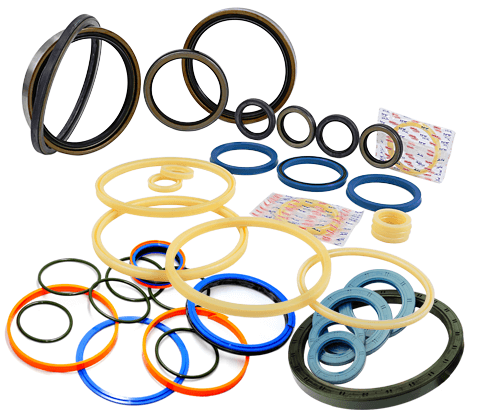
The exposed rod is the fastest place to rust when the machine sits in the rain. Water on the rod surface, meeting steel dust and air, forms rust, and that rust then cuts the seal and leaks oil. When parking for a while, retract the cylinders fully so the rods stick out the least. For a rod that must stay out, wipe on a thin film of grease against rust. Keeping the rod clean and dry clearly extends seal life.
How should you park an excavator in the rain?
Parking in the right spot and posture gets the machine through rain safely. Pick high, firm ground that drains well, and avoid low spots that flood. Rest the bucket and blade on the ground so the machine sits steady. Retract the cylinder rods as much as possible against rust. In heavy, long rain, cover the exhaust and walk around the machine before leaving. Thoughtful parking avoids both rod rust and getting bogged.
Greasing pins and joints more in the wet season
Rain washes grease out of the pins and bushings, leaving joints dry and wearing fast. In the wet season, grease more heavily than usual, especially after the machine wades or is washed. Pump until fresh grease shows around the pin. Watch the grease points on the boom, arm, bucket pins and swing. Fresh grease pushed out also forms a barrier that keeps water out of the joint.
Water in the fuel and the water-trap bowl
In the rain, water gets into the fuel tank through the cap and by vapour condensing. Water in diesel harms the injection pump and injectors, which is costly. Drain the water-trap bowl more often, and drain water from the tank bottom if the machine has a drain valve. Filling the tank at day end cuts the empty space where vapour condenses. Checking the fuel filter and changing it on schedule keeps the engine running smooth.
Damp, mud-clogged air filters
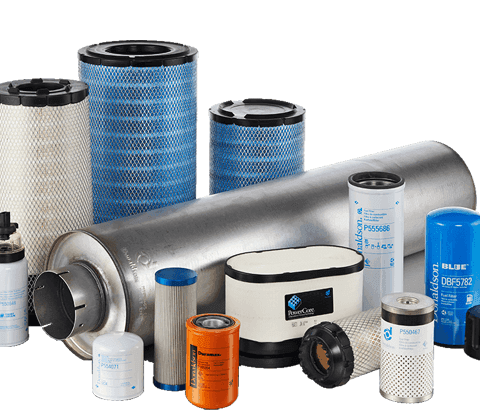
Air filters in the wet season absorb moisture, hold water and clog faster. A wet air filter chokes the air, weakening the machine and burning more fuel. Do not wash a paper filter element with water, as it ruins the element; if badly damp, replace it. Check the filter housing for water ingress, especially after wading. Keeping the air intake dry and clear keeps the machine strong in the rain.
Cleaning the undercarriage, tracks and rollers
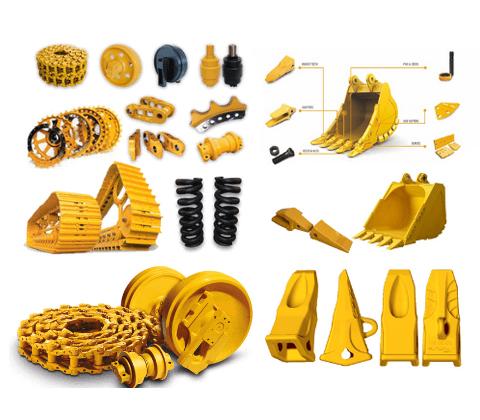
Mud caked in the undercarriage holds moisture and corrodes metal. Tracks, rollers, idlers and carrier rollers packed with dried mud wear faster and chew the chain. Wash the undercarriage at day end and clear off the packed mud. Take care not to let mud harden around the swing and cylinders. A clean undercarriage lasts longer and makes it easy to spot leaks or cracks early.
The cooler and packed mud
The wet season sounds cool, but the cooler still gets dirty as splashed mud sticks to the fins. Dried mud sealing the cooler makes the machine overheat even in the rain. Wash the cooler gently without denting the fins. Check the fan and belt at the same time. A clean cooler keeps the oil and coolant within the maker's safe range for the model.
Electrics, connectors and corrosion
Water and humidity are the leading cause of shorts and electrical faults in the wet season. Loose connectors, a damp fuse box or a weak ground cause random fault codes. Check the connectors, apply moisture-repelling grease to exposed ones, and keep the electrical box dry. When you need to replace a connector, sensor or wiring, source correct heavy-equipment parts for a solid fit. Dry electrics keep the machine starting and working reliably.
Battery and starting in damp weather
High humidity corrodes the battery terminals and makes starting hard. Clean the terminals, tighten them and apply anti-corrosion grease. Check the electrolyte level on a wet-cell battery and keep it charged. On damp mornings the engine cranks harder, so do not crank too long each try. A good battery and clean terminals get the machine started cleanly each wet morning.
Cab: keeping out leaks and damp
A leaking cab wets the floor, harms the electrics and grows mould. Check the door seals, glass and the cab floor drain holes. Keep the drain holes clear so water does not pool under the floor. A dry cab also protects the control boxes mounted inside it. A sealed, dry cab keeps the operator comfortable and the electronics lasting.
Starting and warming up on a damp morning
On a cold, wet morning the oil is thicker, so warm the machine before heavy work. Idle for a few minutes and work the levers gently so the oil warms and circulates evenly. Do not force heavy loads while the oil is cold and thick, as it makes local heat and harms the pump. Enough warm-up lets the seals and pump work smoothly. It is a small habit that clearly protects the machine.
Quick rainy season check table for the excavator
| Item | What to do | Wet-season frequency |
|---|---|---|
| Hydraulic oil | Look for emulsion, water | Daily |
| Tank breather | Check, replace if old | Start of the season |
| Cylinder rods | Wipe dry, retract when parked | Day end |
| Water trap | Drain settled water | Daily |
| Grease points | Pump grease | More than usual |
| Undercarriage | Wash off mud | Day end |
| Connectors | Check, moisture-proof | Weekly |
Use this to self-check quickly; adjust the frequency to the site.
A tighter maintenance schedule in the wet season
The wet season calls for a tighter schedule than the dry. The hour marks like 250/500/1000/2000 hours still hold, but add water checks and greasing between the marks.
- Start of each shift: check the oil level, oil colour and around the machine.
- Day end: wash the undercarriage, wipe the rods, drain the water trap.
- Weekly: check connectors, battery terminals and the breather.
- By hour mark: change oil and filters to the maker's spec for the model.
See the excavator maintenance schedule for detailed hour marks.
Choosing the right oil and grease for the wet season
The right oil and grease help the machine handle damp better. The hydraulic oil should be the maker's recommended viscosity grade, often around VG 46 or VG 68 depending on climate and model. Pick a water-resistant grease that clings well so rain does not wash it off. Do not mix oils of different base. Read choosing hydraulic oil to pick the right type for your machine. Also change the hydraulic filters on schedule to keep the oil clean.
Common mistakes in rainy season excavator care
- Forgetting the tank breather, letting water condense into the oil.
- Parking in a low spot with the rods extended in the rain, causing rust.
- Washing the machine and forgetting to re-grease the pins.
- Not draining the water trap, letting water harm the injection pump.
- Forcing heavy loads while the oil is still cold and thick in the morning.
What to watch when buying a used excavator in the rainy season?
Buying a used machine in the rain means looking hard for water and rust marks. Check whether the hydraulic oil is emulsified, whether the rods are pitted with rust, and whether the undercarriage is badly corroded. Long-damp electrics can hide a fault waiting to appear. Run every motion and listen to the pump once the machine is warm. Read tips for buying a used excavator so you do not buy a water-soaked machine.
When does the machine need a workshop?
Draining water, wiping rods and greasing can be done in the field. But when the oil is badly emulsified and the system needs a flush and a full oil and filter change, take it to a clean workshop. If the rods are deeply pitted, seals are leaking, or the electrics short badly, a mechanic with tools is needed. Taking the machine in early, when a fault is beyond a field fix, avoids the damage spreading.
Logging the machine's condition through the wet season
Logging what the machine meets each rainy day helps you service it right. Note the day the oil turned cloudy, each water drain, or when a rod first began to rust. Simple notes help you and the mechanic pin the spot to handle fast. At the season's end, review the log to decide on changing oil, filters or seals. A small habit of record-keeping saves a lot of cost later.
When you need parts to care for and repair an excavator through the wet season, send the machine model or pump code to the Việt Trung Hải technical team to match the right seals, filters and rods. For operating and maintenance documentation, refer to the maker such as Kobelco for your exact model.
Key takeaways
- The top rainy season priority is keeping water out of the hydraulic oil.
- Check and replace the tank breather to cut condensation.
- Retract and wipe the cylinder rods when parking to prevent rust.
- Grease more often after the machine wades or is washed.
- Drain the water trap and wash the undercarriage at each day end.
- Milky oil is a sign of water and needs handling early.
Written by
Lê Minh Tuấn
Lê Minh Tuấn handles scheduled maintenance and machine longevity at Việt Trung Hải. He writes about oil, filters, service intervals and the habits that keep machines running reliably.
Related parts
The exact parts discussed above — send your machine model or pump code to match.