Quick answer
Hydraulic pump cavitation is when gas bubbles form at the suction port and collapse inside the pump, eroding the rotary group day by day. Common causes are a dirty suction filter, low oil, a leaky suction line and thick cold oil. If you hear a gurgle, drop the load at once and check the filter, oil level and suction seal before the pump dies.
Hydraulic pump cavitation is the forming of tiny gas bubbles in the oil at the suction port, which then collapse inside the pump when pressure rises again. Each time a bubble collapses it makes a very small but very hard impact, striking the metal surface of the pump rotary group. Millions of such strikes per minute pit the pistons, valve plate and swash face, so the pump weakens and finally dies. This guide says plainly why a pump cavitates, what it sounds like, and how you prevent it right on the job site.
What is hydraulic pump cavitation?
Hydraulic pump cavitation happens when the oil at the suction port is not supplied fast enough. The pump keeps turning and tries to draw oil, but the oil cannot return in time. Pressure at the suction port drops low, and at that low pressure the oil starts to boil at normal temperature, creating vapour bubbles. When the oil carries these bubbles into the pressure zone, the sudden rise crushes them instantly. That collapse is what wrecks the pump.
In simple terms: the pump is not drinking enough oil, so it swallows air bubbles instead. This is a quiet, day-by-day kind of damage, so many owners miss it until the pump loses pressure.
How bubbles form and collapse
Hydraulic oil holds a little dissolved air, much like the gas in a soda bottle. At normal pressure that air stays put. When the suction port loses pressure, the air comes out as bubbles, along with some oil vapour.
These bubbles travel with the oil into the pump pressure chamber. There the high pressure squeezes them flat in a split second. The bubble does not deflate gently, it implodes, firing a tiny jet of oil at great speed into the nearest metal surface. Repeated over and over, that surface gets pitted as if pricked by needles.
Early signs of cavitation
A technician's ear is the best gauge here. A cavitating pump makes a rattling, gravelly, marble-in-a-can noise, as if it is chewing gravel or steel balls. This sound is quite different from the even growl of a healthy pump.
Beyond the noise, you notice the machine getting weak, the boom slowing, and sometimes the tank heating faster than usual. If you suspect an unusual noise, I go into more detail in the guide on a noisy hydraulic pump so you can compare.
What does a rattling, gurgling sound tell you?
A gurgling, rattling sound almost always means the pump is starving for oil or drawing air. It is the sound of many bubbles collapsing inside the rotary group, plus pistons being struck unevenly.
When you hear it, do not push the machine harder. Every extra minute of running adds millions more strikes to the rotary group. Drop the load, let the machine idle, and start tracing the cause from the suction line.
Why a dirty suction filter causes cavitation
The suction filter sits right before the pump inlet. Its job is to stop dirt before oil enters the pump. When the mesh clogs, oil passes with difficulty, the inlet is choked, and the pump must pull harder to get oil.
That hard pull is exactly when suction pressure drops deep and bubbles form. This is the most common cause I meet in the field. Changing filters on time is the cheapest way to avoid this problem; see the hydraulic filters range to pick the right type for your machine.
Low oil and a low tank level
A low oil level in the tank makes the suction line likely to draw air. When the machine tilts, or the cylinders stroke fully out, the oil surface drops below the suction pipe mouth and the pump swallows air.
Check the oil level with the machine on level ground and the cylinders retracted. Underfilling or a long-standing leak both lead to oil starvation. A full, clean tank is the base for a pump that does not cavitate.
A leaky suction line and drawn air
The suction line runs at low pressure, so even a small gap is enough for air to slip in instead of oil flowing out. A loose clamp, a hardened flange gasket, or a hidden crack in the pipe are all culprits.
A common sign is foam in the tank and a pulsing pump note. Run your hand along the suction pipe to find any oil-wet spot, retighten the clamp, and replace the hardened gasket. For suction-line seals, choose durable seals such as PET Seals to hold tight for the long run.
Thick cold oil causing hydraulic pump cavitation
On a cold early morning the oil thickens and flows slowly. The pump turns, but the oil crawls to the inlet too slowly, just like sucking condensed milk through a thin straw. The result is again lost pressure and bubbles.
Let the machine idle a while so the oil warms and thins before you work it hard. Using the right seasonal oil grade, as the maker advises, also clearly lowers this risk.
Revving the pump too fast at start-up
Many operators push high throttle the moment they start. A fast-spinning pump needs more oil while the suction line is still cold and not yet flowing freely. That gap forces suction pressure down and makes bubbles.
The good habit is to start at moderate throttle, wait for the oil to warm, then raise the throttle to work. Those few minutes of waiting save you a whole rotary group.
How cavitation erodes the rotary group
When you open a pump killed by cavitation, the metal looks pitted like a honeycomb. The valve plate face, piston heads and slipper faces flake off in small patches. That is the result of countless bubble implosions eating the metal.
The flaked metal then travels with the oil, scratching other parts and clogging filters. Once the rotary group is pitted this far it must be replaced, not reground. Look at the hydraulic rotary groups range to picture the internal parts.
Telling cavitation from aeration
These two faults have different roots but are easily confused. Cavitation is bubbles born from oil boiling at low pressure inside the pump. Aeration is outside air entering through a gap on the suction line.
A quick way to tell: aeration usually makes plenty of white foam in the tank that is slow to settle. Cavitation leans toward the gurgling noise and pressure loss. Either way, the fix begins with clearing and sealing the suction line.
Quick field checks
First listen and pin down whether the noise comes from the pump or elsewhere. Then check the oil level, look for foam in the tank, and run along the suction line and clamps. These three steps clear most cavitation cases.
If you want a sure measurement, you can fit a gauge to watch working pressure and rule out other causes. I lay this out step by step in the guide on checking pump pressure.
Cause, sign and fix table
| Cause | Common sign | Fix |
|---|---|---|
| Dirty suction filter | Machine weakens, gurgles under load | Change the suction filter on time |
| Low oil level | Pump pulses when cylinders stroke out | Refill oil, find the leak |
| Leaky suction line | White foam in the tank | Tighten clamps, replace gaskets |
| Thick cold oil | Noisy at start, clears when warm | Warm the machine, use right oil |
| Revving too early | Gurgles in the first minutes | Wait for warm oil before working |
How to prevent hydraulic pump cavitation
Prevention here is far cheaper than the cure. A few simple habits keep the inlet always full of oil and sealed from air.
- Change suction and return filters on schedule, never overdue.
- Check the oil level every day before work.
- Inspect the suction line and retighten clamps regularly.
- Let the machine warm up in cold weather.
- Use the right seasonal oil grade as advised.
- Act as soon as you hear the gurgle, do not push to finish the job.
Routine filter and oil maintenance
Dirty oil and a clogged filter are the root of most cavitation cases. Old oil picks up water and sludge and foams more easily than clean oil. An overdue filter chokes the inlet.
Keep a steady oil and filter change schedule by machine hours. When you change them, wipe the filter housing clean and check the cover gasket. This maintenance cost is small next to a rotary group.
When do you need to replace the rotary group?
When the pump has clearly lost pressure, gurgles for a long time, and opening it shows a pitted metal face, the rotary group needs replacing. Grinding or polishing a pitted surface is only a stopgap, and pressure soon drops again.
Before replacing, you must fully fix the cause of cavitation. Otherwise the new group will pit just like the old one. Replacing the group while ignoring the suction line is money out the window.
Choosing the right replacement parts
When you must replace a rotary group or a kit, part quality decides how long the machine runs. For common pump families like K3V and K5V, I favour JIC Hydraulics rotary groups for their good material and machining precision, tight slipper faces, durable running and clear warranty. This is a line Việt Trung Hải distributes officially, so the source is transparent.
Beyond genuine parts matched to the machine, the market has many cheap aftermarket parts with soft material that pit again quickly. Weigh price against service life carefully. See the hydraulic-pump parts range to compare options.
The role of seals and bearings
A sealed suction line depends heavily on gaskets and seals. A hardened seal is where air slips in quietly. I often use PET Seals for joints that must stay tight, because the rubber keeps its elasticity well over time.
Bearings inside the pump matter too; a worn bearing throws the shaft off, opens the slipper faces and breeds bubbles. For bearings, ZVL Slovakia is the durable choice I trust. Small parts, but they directly affect whether the pump cavitates.
What the maker's documents say about the inlet
Major pump makers all stress keeping enough pressure and flow at the inlet. The technical documents from Kawasaki for axial-piston pump families also advise keeping the suction line clear, sealed against air, and using oil of the right viscosity grade.
This matches what you see in the field. The inlet is the weakest point of any pump, and also the easiest place to prevent trouble if you pay attention.
Common mistakes that kill a pump early
Mistake number one is ignoring the gurgle to push a job to the finish. Mistake number two is replacing the rotary group without fixing the suction line. Both make the new pump die fast.
Mistake number three is using the wrong oil grade or oil already mixed with water. Wrong oil foams more and lubricates poorly. Avoid these three and the pump lasts noticeably longer.
When to call a specialist
If you have cleared the filter, topped up the oil, and sealed the suction line yet the pump still gurgles and loses pressure, you need a technician with a gauge and the experience to open the pump. At this point the rotary group is likely pitted inside.
Do not strip the pump yourself if you are not used to it, because wrong assembly does more harm. Calling a technician early, at the first strange noise, is far cheaper than letting the pump die. For parts matched to your machine, contact Việt Trung Hải to see the right hydraulic rotary groups before you decide.
Key takeaways
- Cavitation is bubbles forming at the inlet then collapsing in the pump, eroding the rotary group.
- The top causes are a dirty suction filter, low oil and a leaky suction line.
- The gurgling noise is an early sign; drop the load the moment you hear it.
- Thick cold oil and revving too early also cause cavitation.
- Replacing the rotary group without fixing the suction line lets the new one pit again.
- Routine filter and oil maintenance is the cheapest prevention.
Written by
Trần Quốc Bảo
Trần Quốc Bảo works on hydraulic pumps and rotary groups at the Việt Trung Hải workshop. He measures pressure, overhauls and load-tests pumps across many excavator generations, and writes about pump principles, K3V rotary groups and fixing weak pumps from real cases.
Related parts
The exact parts discussed above — send your machine model or pump code to match.
Related products
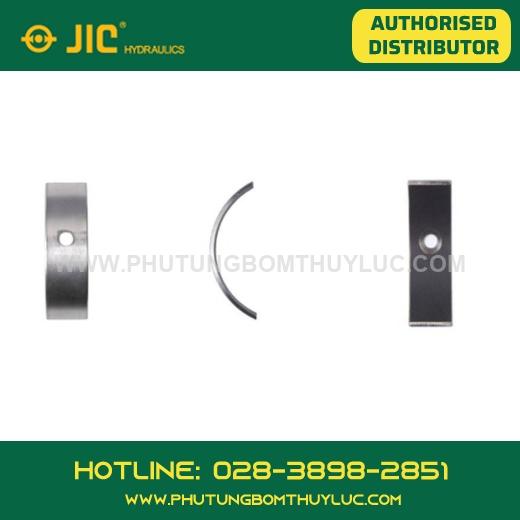 Kayaba (KYB) · PSVBushing – Kayaba PSVD2-17PSVD2On requestView · get a quote
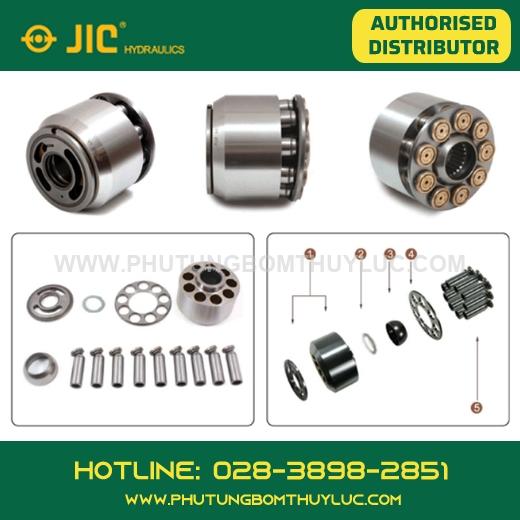 Kayaba (KYB) · PSVRotary group – Kayaba PSV2-55TPSV2On requestView · get a quote
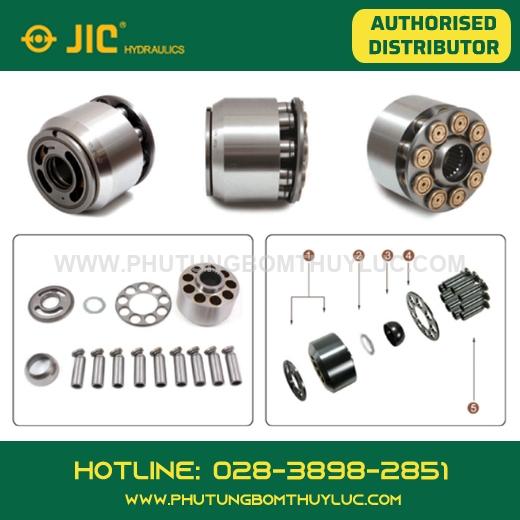 Kayaba (KYB) · PSVRotary group – Kayaba PSV2-60TPSV2On requestView · get a quote
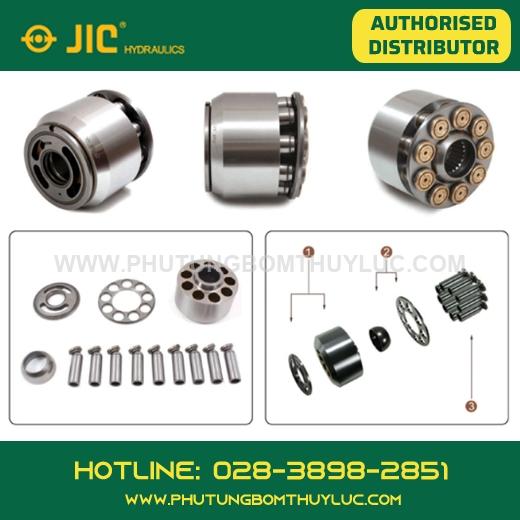 Kayaba (KYB) · PSVRotary group – Kayaba PSV2-63TPSV2On requestView · get a quote