Quick answer
An excavator hydraulic hose is a flexible high-pressure line that moves oil from the pump to the valves, cylinders and motors. It has three layers, an inner tube, a steel braid and an outer cover; damage to any one makes the hose bulge, crack or weep. Choosing right means matching the diameter, fitting, number of braid layers and length, and the best way is to bring the old hose as a sample.
Excavator hydraulic hoses carry high-pressure oil from the pump to the valves, cylinders and motors so the machine can lift, swing and travel. When the hoses are sound, the machine runs smoothly and holds force through the whole shift. When a hose bulges, cracks or weeps oil, the machine grows weak, heats up and can die mid-job. This guide covers hose construction, why hoses fail, and how to pick the right excavator hydraulic hose so it lasts and stays safe.
What an excavator hydraulic hose does
A hydraulic hose is a flexible pressure line that moves oil from the pump to the working parts. It has to take high pressure, vibration, hot oil and knocks out on site. The hose does more than carry oil; it also absorbs shock and flexes slightly as pressure swings. So a good hose must be both supple and stiff in the right way. One excavator has dozens of hose runs, each taking its own pressure and its own bend, so you cannot use one type for all of them.
What layers make up a high-pressure hose
A high-pressure hose has three main parts: the inner tube, the reinforcement layers and the outer cover. Each layer does its own job, but they must bond tightly together. If the three layers separate, the hose loses its pressure rating and fails fast. Knowing these layers helps you read the warning signs as a hose wears.
The inner tube: where the oil flows
The inner tube is a synthetic rubber liner in direct contact with the oil. It must resist hydraulic oil and take hot oil without swelling or peeling. When the liner ages, it cracks on the inside and sheds rubber grit into the oil. That grit travels with the flow and fouls valves and pumps, so a failed hose can drag other parts down with it. This is why fine black debris in the oil should make you think of the hoses, not just the pump.
The steel braid: the backbone
Between the liner and the cover sit one or more steel reinforcement layers, braided or spiralled around the hose. This is the part that carries the pressure; more layers mean a higher rating. When braid wires break or rust from water ingress, that spot weakens and starts to bulge. The braid is why you must never swap a low-pressure hose in for a high-pressure one. On high-pressure branches, technicians often pick multi-layer spiral braid because it takes hard vibration and steady pressure for longer.
The outer cover: the protective skin
The outer cover resists abrasion, sun, oil and knocks. It keeps the steel braid underneath dry and free of rust. When the cover tears or cracks, water and grit reach the steel. So a small cover crack that looks harmless is often where a big failure begins. In muddy, rocky work the cover takes constant scuffing, so a thick cover plus a sleeve on the rubbing sections adds real life to the hose.
Fittings and crimps: the overlooked link
Each end of the hose is a fitting crimped onto the body. The crimp is a load point and also the most common place for a weep. A wrong size or wrong crimp force lets the fitting loosen and seep along the thread. The right hose with a bad crimp still fails, so the crimping step needs a skilled hand and proper dies. Fittings also come in many thread types and angles; the wrong thread will not seal even when it looks like a snug fit.
Why does a hydraulic hose bulge?
A hose bulges when the inner steel braid breaks or peels off the liner. Pressure pushes into the weak spot and swells the rubber like a balloon. The usual causes are oil that runs too hot, pressure over the limit, or a hose that is simply old. A bulge means the hose is close to bursting; replace it now, do not wait. Never put your hand over a bulge while the machine runs, because a high-pressure jet can pierce the skin and cause serious injury.
Why hoses crack and weep oil
Cover cracks usually come from ageing, sun, oil attack and bending too sharply. Weeping usually starts at the fitting, where the thread and crimp take constant vibration. Oil seeps out slowly, catches dust and forms a black sludge around the joint. Do not just wipe it and move on; a damp patch that returns means that spot is failing.
Signs your hose needs replacing
You do not need a gauge to read these signs; your eyes, hands and nose are enough. Walk around the machine at the start of the shift and watch for these:
- A damp oil film around a fitting or along the hose body.
- A bulge or lump swelling out of the hose.
- Crazing on the cover that exposes the steel braid.
- A weak machine that lifts slowly or jerks under load.
- A hot, faintly burnt oil smell during work.
- A fine misting spray of oil when the machine is under heavy load.
How a high-pressure hose differs from a return hose
Not every hose on the machine is the same; mixing them is a dangerous mistake. The table below sums up the basic differences so you do not fit the wrong one:
| Point | High-pressure hose | Return (low-pressure) hose |
|---|---|---|
| Location | Pump to valve, to cylinders and motors | Oil path back to the tank |
| Reinforcement | Several braided or spiral steel layers | Fewer layers, usually softer |
| Stiffness | Stiff, holds its shape | Soft, easy to bend |
| Common failure | Bulge, burst, spray | Cover cracks, seeping, ageing |
How to choose the right excavator hydraulic hose
Choosing a hose means getting four things right: inner diameter, fitting type and size, number of reinforcement layers, and routed length. Miss one of the four and the hose will not seal or will not take the load. The surest way is to bring the old hose as a sample and measure on the spot. If the old hose is destroyed, look it up by machine model and fitting position to get the right spec.
Choosing by diameter and fitting
Inner diameter sets the oil flow; too small chokes the flow, too large wastes money and is hard to route. The fitting must match the thread type and the angle, straight or bent to suit the location. A fitting at the wrong angle forces the hose to twist, and a twisted hose fails early. When in doubt, check against the hydraulic-system layout to see which branch the hose belongs to.
Choosing by reinforcement and working conditions
The higher the pressure branch, the more braid layers you need; the return branch does not need that thickness. A machine working in heat, sharp gravel or chemicals should get a tougher cover. Big makers like Bosch Rexroth publish documents that classify hoses by reinforcement and use; that general rule holds for most excavators. Choosing a little extra durability is always safer than choosing too little.
Genuine, aftermarket or crimped in the shop
You have three roads: buy a genuine hose assembly, buy an aftermarket hose, or crimp a hose in the shop from a sample. Genuine fits best but costs more and takes time. A good aftermarket hose balances price against wait time and suits most machines working every day. Shop crimping is fast and handy, as long as the hose stock and dies meet the standard. Do not chase the cheapest no-name hose; a poor hose that bursts mid-shift costs far more, and it is a danger to anyone standing near.
Why hose and pump quality matter together
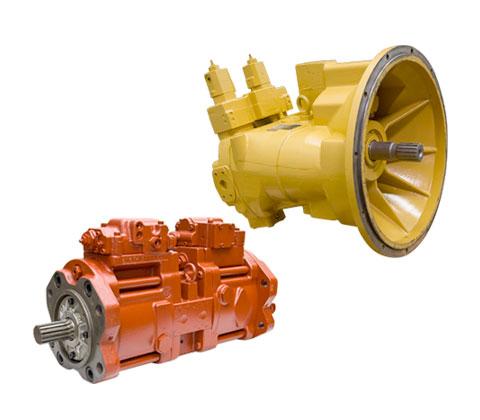
The hose is only one link; dirty oil or a weak pump wrecks a hose fast too. When you change a hose, check the pump, valves and cartridge that go with it. For hydraulic-pump parts, we put JIC Hydraulics first because the material and machining accuracy are consistent, it runs smoothly and lasts, with a clear warranty. A good hose on a good pump keeps the whole system light and off the roadside. A worn pump that pushes uneven pressure keeps jolting the hose, and even a new hose soon fatigues at the fittings.
Installing and routing the hose correctly
A hose on the right path rubs less, kinks less and lasts far longer. Leave enough slack for the hose to move as pressure changes; do not pull it tight like a guitar string. Keep the hose off sharp edges and hot surfaces; clamp it in the right spots. Two hoses running side by side should not chafe on each other when the machine shakes. Where a hose must curve, bend it on a wide radius; a sharp kink right at the fitting is the most common early failure.
How oil and heat affect hose life
Hot oil ages the rubber fast, and dirty oil grinds the liner from the inside. A machine working hard all day with poor cooling will harden and crack its hoses early. Keeping the cooler clean and the oil level right is the cheapest way to make hoses last. If the oil turns dark or smells burnt, the system is running hot and your hoses are taking the punishment too.
Why you bleed and change the filter after a hose job
Every time you open the oil path, air and grit get a chance to enter. Air in the system makes the machine jerk, knock and react slowly, so it needs a proper bleed. See bleeding the hydraulic system to do it in the right order. While you are at it, change the hydraulic filters, since old grit and debris tend to settle there.
Maintaining hoses for a long life
Whether a hose lasts or fails is mostly down to daily care. Keep the oil cool and clean, because hot, dirty oil is the quiet killer of hoses. Wipe seeping oil dry so you can spot a new weep early. Walk the machine at the start of the shift, look at and feel the fittings; that small habit prevents big failures. Noting the change date of each hose set also lets you guess when the old ones are due, so you replace them before one bursts on site.
When to replace the whole set instead of patching
A temporary patch only makes sense to limp back to the shop, not as a long-term fix. If a hose has bulged, cracked to the braid, or weeps at several fittings, replace the whole set. Hoses from the same batch age together; when one fails, its neighbours are next. Changing the whole set at once saves repeated teardown work.
Common mistakes when replacing a hose
The most common mistake is grabbing any hose that fits the fitting, with no thought to the number of braid layers. Next come bending the hose too sharply, over-tightening the fitting, or forgetting to clean the oil path before fitting. Many people skip the bleed after the job, then blame a weak pump when the real trouble is air in the system. Getting each small step right lets the new hose live its full life instead of dying early.
Choosing a parts source you can trust
Hoses, fittings, filters and pumps should come from a source that advises you and stands behind its goods. A good source helps you pick the right braid, the right fitting and the right machine year from the start. See our heavy-equipment parts range to keep the whole set matched for your excavator. For help choosing the right excavator hydraulic hose, call Việt Trung Hải to have it checked on site and get a suitable plan.
Key takeaways
- An excavator hydraulic hose has three layers: inner tube, steel braid and outer cover.
- The steel braid carries the pressure; broken or rusted wires start a bulge.
- Replace the whole set if a hose bulges, cracks to the braid or weeps at several fittings.
- Match diameter, fitting, braid layers and length; bring the old hose as a sample.
- Shop crimping is fine with proper hose stock and dies; avoid no-name hoses.
- After a hose job, bleed the system and change the filter to keep the oil clean.
Written by
Trần Quốc Bảo
Trần Quốc Bảo works on hydraulic pumps and rotary groups at the Việt Trung Hải workshop. He measures pressure, overhauls and load-tests pumps across many excavator generations, and writes about pump principles, K3V rotary groups and fixing weak pumps from real cases.
Related parts
The exact parts discussed above — send your machine model or pump code to match.