Quick answer
On excavators, the main hydraulic pump brands you meet are Kawasaki, Rexroth (Bosch Rexroth), Kayaba and a few other Japanese makers. Each brand pairs with certain machine families, so choosing right means reading the pump code and machine model first, then deciding between a rotary group or a full unit. Pick by the machine you actually run, not by the name on the housing.
On excavators, the hydraulic pump brands you meet most are Kawasaki, Rexroth (Bosch Rexroth) and Kayaba, plus a few other Japanese makers. Each brand usually rides with certain machine families, so choosing right starts with reading the pump code and machine model, not picking a name that sounds familiar. This guide covers what each maker is like, the difference between genuine and aftermarket parts, and how to decide between a rotary group and a full unit for your machine.
Which hydraulic pump brands are common on excavators?
In the excavator market here, most machines run axial piston pumps from a handful of makers. Kawasaki leads because it ships with many Japanese and Korean machines. Rexroth is strong on European and some newer machines. Kayaba, Nachi and Toshiba appear depending on the model. Knowing this short list helps you narrow down fast when you need replacement hydraulic-pump parts.
Kawasaki and the K3V, K5V families
Kawasaki is the name excavator techs know best. Its piston pump families include the K3V and K5V, riding with many mid and large machines. Kawasaki pumps are sturdy, and parts are common, so rotary groups and repair items are easy to find. If your machine uses this family, browse K3V pump parts to see the items you replace most often. Many techs pick Kawasaki because stock is there when they need it in a hurry. That is a real advantage when a machine sits idle waiting on repair, since every down day costs labor.
Rexroth and the maker design philosophy
Rexroth, now part of Bosch Rexroth, is known for precision and thorough technical documentation. Its pumps often sit on European machines and newer builds that favor smooth control. When you need to check specs or install standards, read the technical documentation from Bosch Rexroth rather than trusting word of mouth. Genuine Rexroth parts usually cost noticeably more than the aftermarket equivalent. In return, the precision and steadiness of genuine parts often earn their keep on machines that need smooth control. On those machines, chasing the cheap part can cost more over time.
Kayaba (KYB) and its machine families
Kayaba, also called KYB, is a Japanese maker found on many small and mid machines. KYB pumps are rated durable and run quiet when the oil is clean. One thing to note is that KYB parts can be harder to source than Kawasaki, so identify the pump code early to stay ahead on supply. If you run several KYB machines, keep a few common wear items on hand so you are never caught out. Experience shows that preparing ahead beats scrambling once a machine is already down.
Nachi, Toshiba and other Japanese makers
Beyond the big three, you also meet Nachi, Toshiba and a few other Japanese names on specialized machines. These makers are good quality but have a narrower parts range. When a machine uses a less common pump, the wait for parts is usually longer and the price shifts with the source. Do not wait until the pump fails to start hunting for the code.
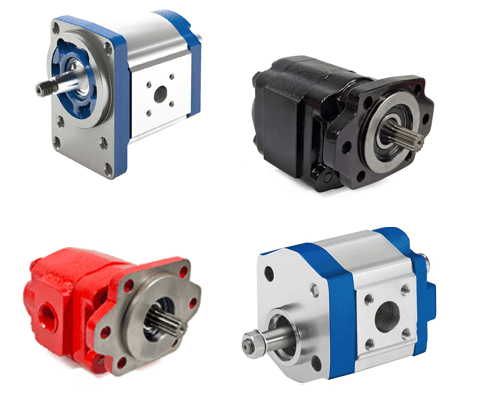
Gear pumps and their role in the system
Not every pump on a machine is a main piston pump. Gear pumps often handle pilot supply, steering, or feeding an auxiliary circuit. They are simple, cheaper, and less sensitive to dirty oil than piston pumps. Understanding each pump role keeps you from replacing an expensive part when the fault sits in an auxiliary circuit. Sometimes the steering feels weak while the boom stays strong, and the root is only the gear pump, not the main pump. Spotting the right pump before you open it saves real money.
How do genuine and aftermarket parts differ?
Genuine parts are made by the pump maker, with tight tolerances and steady life, but they cost more and can take longer to arrive. Aftermarket parts come from third parties, cost less, and range from decent to poor depending on the shop that built them. For heavily loaded items like a rotary group, favor a trusted source. At Việt Trung Hải, JIC Hydraulics parts are the quality choice for rotary groups and load-bearing components, machined to correct tolerances and backed by a clear warranty. For minor parts, good aftermarket still serves well if you buy from the right place.
What a rotary group is and why it matters
The rotary group is the moving assembly inside: the cylinder block, pistons, swash plate, valve plate and the sliding faces. This is the part that wears over time and decides whether the machine is still strong. When the machine weakens but the housing is fine, fitting new hydraulic rotary groups is usually cheaper and faster than a full unit. For common families, read more about the K3V rotary group to learn the typical wear signs.
Choose by machine model, not by brand name
A common mistake is picking a pump by the brand reputation while forgetting each machine was designed for a specific pump. A different-family pump may bolt on but flow wrong or control wrong, making the machine jerk or heat the oil. The rule is to stay with the machine model and its original pump code. Choosing the right family matters more than choosing an expensive brand.
Read the machine and pump codes before buying
Every pump carries a tag or stamped code on the housing. Before asking a price, write down the machine model, year and pump code. This lets the seller find the exact item and avoid sending the wrong one. If the tag is faded, photograph the housing and the oil ports for comparison. One careful minute noting the code saves a week waiting on a swap.
Signs of a weak pump worth checking the rotary group
A weak pump usually warns you with a few field cues. The machine lifts slowly under heavy load, the boom shakes when held, and you have to rev high to get enough force. There is an odd whine or growl when the boom works. The oil heats faster than usual even when the sun is not harsh. When several of these stack up, the rotary group is likely worn. A textbook case is a Kawasaki K3V112 on a 20-ton class excavator: worn piston shoes and a pitted valve plate let the pump lose flow once the oil warms up, so the boom is strong on a cold start but fades under sustained heavy load. Opening it up you typically find scored piston shoes, a rough valve plate face, and wear tracks on the swash plate; with that cluster of signs, inspect the rotary group before suspecting the regulator. It is best to check early at the first cue or two, not to wait until the machine stops for good. A badly worn pump can carry metal grit through the whole system and damage other parts.
Why you should not mix hydraulic pump brands
Each hydraulic pump brand has its own dimensions, control style and characteristics. Mixing brands sounds thrifty but breeds hard-to-trace faults: wrong pilot pressure, uneven flow between the two pumps, or a mismatch with the original regulator. The result is a machine that runs but with the wrong force and shorter life. Keeping the correct brand and family is safer in the long run.
Tandem pumps and pilot pumps on excavators
Many excavators use a tandem set: two main piston pumps joined on one housing, feeding two work circuits. Behind them often sits a small pilot pump handling the signal side. When one side weakens, the machine loses balance between motions. Understanding this layout lets you pin the failed side instead of blindly swapping the whole unit.
The regulator and adjusting pump pressure
The regulator is the control unit mounted on the pump, deciding how much oil the pump delivers under load. When the machine is weak but the rotary group is fine, the issue sometimes sits in the regulator or the pressure setting. Before pulling the pump, check and consider adjusting pump pressure properly. A wrong setting can overload the pump and wear it fast, so this needs an experienced hand.
Oil quality shapes pump life
Whatever the brand, dirty oil kills a pump fastest. Metal grit and dust scratch the sliding faces and swash plate, wearing the rotary group early. Changing oil and filters on time and keeping the tank sealed is the cheapest way to keep a pump alive. Many pump failures actually start with a clogged filter and stale oil, not a weak brand.
A quick comparison of hydraulic pump brands
The table below is a quick guide to narrow things down, not a replacement for reading the actual code on the machine.
| Brand | Familiar pump families | Common on | Notes |
|---|---|---|---|
| Kawasaki | K3V, K5V | Japanese, Korean mid and large machines | Common parts, easy rotary groups |
| Rexroth | Controlled piston pumps | European, newer machines | Full technical docs, higher price |
| Kayaba (KYB) | Small and mid piston pumps | Small and mid machines | Durable on clean oil, parts less common |
| Nachi, Toshiba | Model dependent | Specialized machines | Good quality, narrow parts range |
When to repair the rotary group and when to replace the unit
If the housing is fine and only the rotary group is worn, fitting a new rotary group is the sensible choice for both money and time. If the housing is cracked, the port threads are damaged, or the pump once seized badly, a full unit is safer. This call should rest on the real condition after opening the pump, not a guess from afar. An experienced tech inspects the sliding faces and block before concluding.
Sourcing parts and avoiding poor quality
Pump and rotary group prices move with condition, origin and source, so a quote far below the going rate is usually a red flag. Loose salvage parts may already be worn inside. Choose a seller with clear origin, one who lets you inspect before fitting and supports a swap when the code is wrong. Buying from the right place spares you the fit-then-remove cycle.
Maintenance that keeps a pump durable
Whether a pump lasts comes mostly down to daily machine habits. Check the oil level and color each shift, listen to the pump at startup, and watch the tank temperature. Fix leaks early and never run the machine on a low-oil warning. These small habits extend pump life more than any trick. Keep a written oil and filter schedule so nothing slips during a busy season. A steadily maintained machine rarely fails suddenly in the middle of a job.
Common mistakes when choosing a pump
Many owners pick a pump on price alone, or on a friend advice, skipping the original code. Some chase a cheap part then pay repeatedly to fit and remove it. Some mix brands for convenience and end up with wrong force. The shared lesson is to spend time on the code, ask hard about the source, and favor the right family over the cheaper wallet today.
Where to start for your machine
Start by identifying the machine year and pump code, then match it to the correct family from the maker. Next, weigh a rotary group against a full unit based on the real condition. If you want advice on the right item for your machine, see the hydraulic-pump parts catalog and reach out to have the code checked before you order. Choosing right the first time is always cheaper than repairing twice.
Key takeaways
- Kawasaki, Rexroth and Kayaba are the main excavator hydraulic pump brands.
- Choose a pump by the machine model and pump code, not by a familiar name.
- Read and record the machine and pump codes before asking a price.
- When the housing is fine, a rotary group is usually cheaper and faster than a full unit.
- Do not mix brands, to avoid wrong pilot pressure and uneven flow.
- Clean oil and on-time filters keep a pump durable more than any trick.
Written by
Hoàng Anh Dũng
Hoàng Anh Dũng tracks sourcing, pricing and brands for heavy-equipment parts. He writes about what drives price, buying smart and telling apart part origins and quality.
Related parts
The exact parts discussed above — send your machine model or pump code to match.
Related products
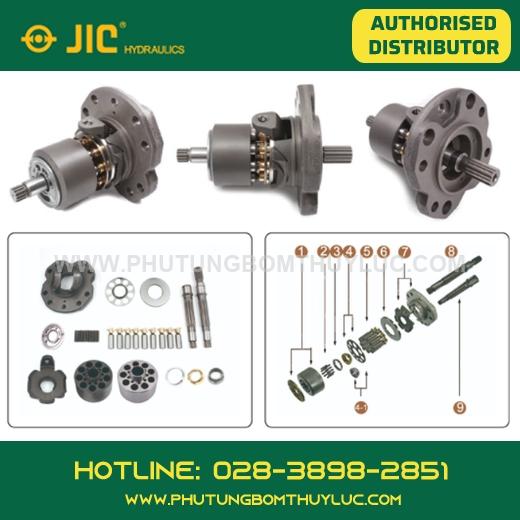 Kawasaki · K3VRotary group kit – Kawasaki K3V112DTK3V112DTOn requestView · get a quote
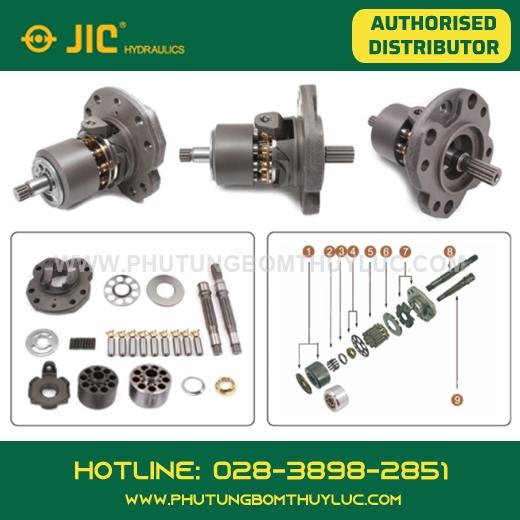 Kawasaki · K3VRotary group kit – Kawasaki K3V140DTK3V140DTOn requestView · get a quote
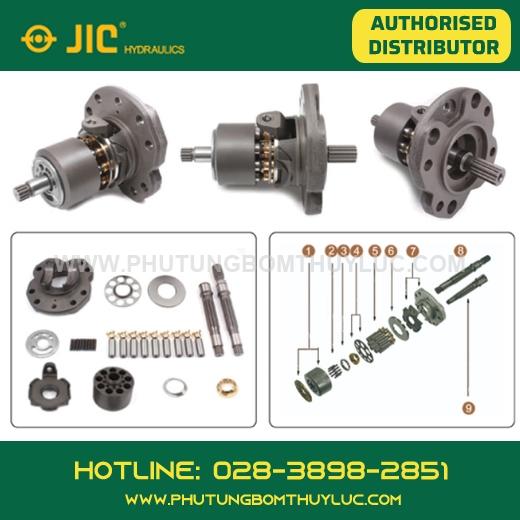 Kawasaki · K3VRotary group kit – Kawasaki K3V180DTK3V180DTOn requestView · get a quote
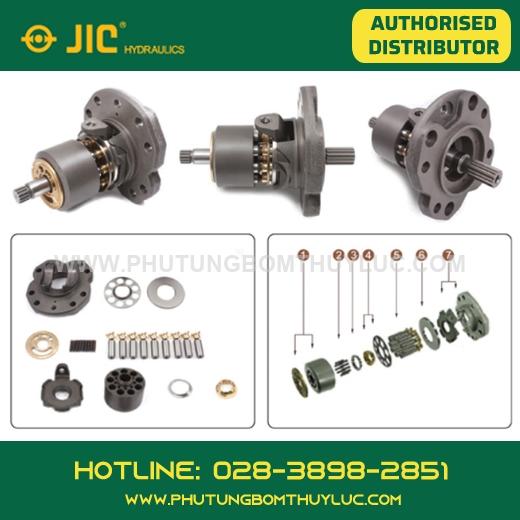 Kawasaki · K3VRotary group kit – Kawasaki K3V280DTK3V280DTOn requestView · get a quote