Quick answer
Excavator repair time depends on three main factors: how long diagnosis takes, whether the right parts are on hand, and how complex the damage is. A small fault with in-stock parts can finish within a day. A badly failed pump group that needs parts matched to the machine model takes much longer. Preparing the machine records and ordering the correct parts from the start is the most effective way to cut downtime.
The first question every machine owner asks is: how long? The truth is that excavator repair time has no fixed number. It varies with the damage, how hard the fault is to diagnose, and above all whether you can get the right part for the right machine model. A machine that comes in during the morning may leave in the afternoon, or sit for a week waiting on parts. For the same symptom, two shops can give two very different timelines, and the reason usually is not skill. Understanding what stretches the schedule lets you stay in control instead of waiting blind. This guide walks through each stage plainly, based on what really happens in the shop.
What Does Excavator Repair Time Depend On?
There are three groups of factors. First is diagnosis: how long it takes to find the real fault. Second is parts supply: whether the needed item is in stock or has to be ordered. Third is complexity: a small worn detail is very different from a failed group. These three add up to the total time the machine stays in the shop.
Three Deciding Factors: Diagnosis, Parts, Complexity
Many owners think repair time comes down to the technician skill. Skill matters, but it only affects the hands-on part. Most downtime comes from waiting: waiting to find the fault, waiting for parts, waiting to remove heavy groups. A heavy pump group needs a crane, a place to set it, and time to strip it correctly so nothing else is damaged. If you grasp these three stages, you can estimate the schedule more closely and know what you are waiting on.
How Much Time Does Diagnosis Take?
Diagnosis is easy to underrate. A machine that is weak, heats the oil fast, or makes an odd noise at the pump can have several causes. The technician has to listen, feel for heat, measure pressure, and rule things out. If symptoms are clear, diagnosis is quick. If the fault is intermittent, it takes more hours, and sometimes you only see it after opening the unit.
You help shorten this stage by describing the real behaviour: when the machine goes weak, when it makes noise, how long it runs before the oil heats. Honest information from the operator is worth more than any guess.
How Long Should Pump Repair Take?
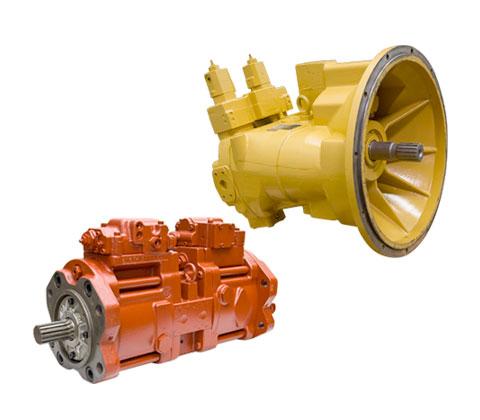
This is the most common question, and the honest answer is: it depends on the failure. A leaking seal set, if the parts are on hand, can be done in a day. A worn rotary group with a scored valve plate needs a rebuild or a replacement, so it takes longer. If metal debris has run into the valves and motor, the scope widens and time grows with it.
In other words, how long pump repair takes depends on how far the damage has spread. Catching it early is always cheaper and faster than leaving it late. For the money side, see our guide on pump-repair cost.
Why Waiting For Parts Is The Longest Stage
In most heavy repairs, waiting for parts takes up the bulk of the time. Removing and refitting a pump group, with an experienced hand, is not that long. But if the needed item is not in stock, you wait on ordering, shipping, and sometimes matching the exact machine model. This is why a job that seems simple can drag on for a week.
The way to cut this stage is to order the right part from the start, for the right model and the right group. One wrong detail means another round of waiting. Often a whole pump group sits idle just for a small missing seal, even when everything else is ready. So when you order, order the full set of what surely must change, not piece by piece.
Genuine Or Aftermarket: Effect On Time
The source of the part decides the speed. Genuine parts sometimes ship from far away and wait longer. Good-quality aftermarket parts are often more available, getting the machine out sooner. The point is not which is absolutely better, but balancing the wait against the durability you need.
For rotary groups, valves and motors, we favour JIC Hydraulics: steady material and machining, well-controlled tolerances, and clear warranty. It is a balance between availability and durability, so you do not trade quality for speed.
Rotary Group: Replace Or Rebuild?
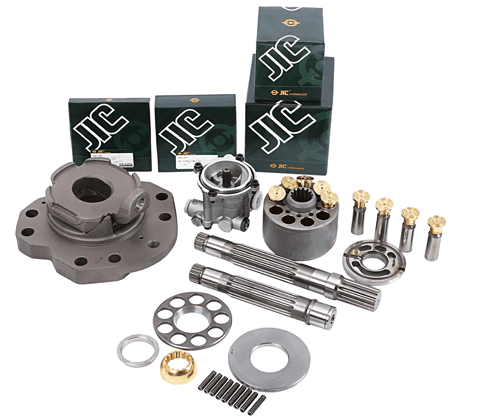
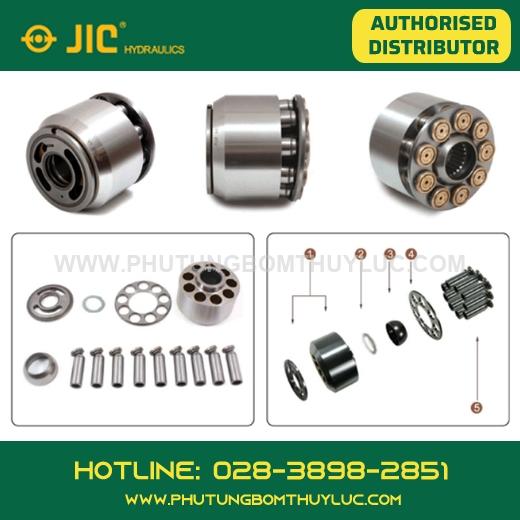
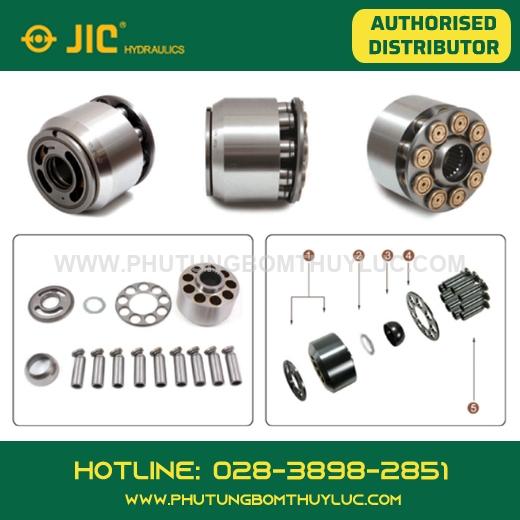
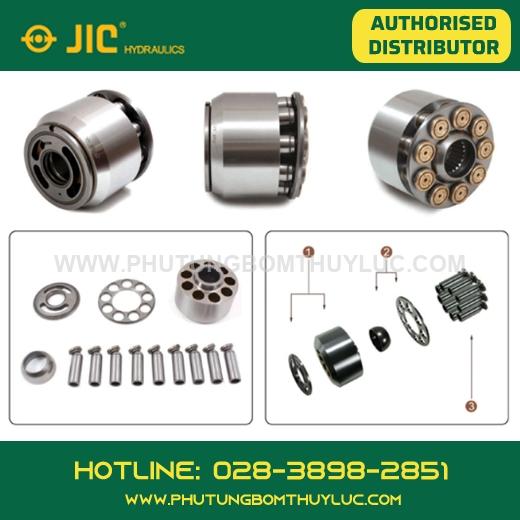
The rotary group is the heart of the hydraulic pump. When the plate, pistons or slippers wear, you have two paths: rebuild each detail, or replace the whole hydraulic rotary groups. A rebuild can be cheaper but costs machining and inspection time. Replacement is faster if the correct group for the model is in stock.
Which path you choose depends on the pump body condition and the budget. Our guide on rebuild vs new pump breaks down both options so you decide well.
Seals And The Small Parts Often Missing
Many jobs drag on just for want of a seal set. Small parts, low cost, but missing them keeps the machine down. When the pump is open, the technician should replace all the hydraulic seals in the group to avoid a second teardown. Old seals may look fine, but heat and pressure over time have hardened them.
For seals, we use PET Seals on the important groups: material that handles heat and pressure well, correct sizes, and less early hardening. A properly sized seal set makes this repair last longer and reduces the risk of reopening.
How Complexity Stretches The Schedule
Not every job is the same. A machine that only leaks at a seal is very different from one that has fed debris through the whole system. The more groups involved, the more there is to remove, inspect, flush and replace. As complexity rises, both time and cost rise with it.
When Metal Debris Has Travelled Through The System
This is the situation that stretches the schedule most. When one group breaks up, metal debris follows the oil into valves, motor and lines. At this point you cannot just swap the pump and run. You have to flush the system, inspect valves and motor, and replace filters. Skip this and the freshly repaired machine fails again, doubling your lost time.
Table: Damage Level And Matching Time
| Damage level | Work needed | Time impact |
|---|---|---|
| Seal leak, light oil weep | Replace seals | Short if in stock |
| Worn rotary group | Rebuild or replace group | Medium, depends on supply |
| Debris in valves, motor | Flush, inspect several groups | Long, many steps |
| Waiting on model-matched parts | Order, ship, verify | Adds waiting time |
The table is only a guide. Real figures vary with machine condition and parts supply at the time of repair.
Prepare In Advance To Cut Downtime
You cannot repair the machine for the technician, but you can cut most of the waiting. Do these steps before bringing the machine in:
- Note the symptoms clearly: when it goes weak, where the noise is, how long before the oil heats.
- Have the serial number and model ready to look up the correct parts.
- Call the shop ahead so they prepare parts, instead of ordering only when the machine arrives.
- Ask the inspection scope: the pump only, or also valves and motor.
- Agree in advance on how to proceed if wider damage is found.
Note The Symptoms Before Calling A Technician
The operator understands the machine best. You know which motion is weak, when it makes noise, and when the oil starts to heat. Write those down, with the timing and working conditions. This information helps the technician narrow the fault quickly and trim diagnosis hours.
Keep The Machine Records And Serial Number
Machine records are like a medical file. They show what was repaired, what was replaced, and when. The serial number lets you look up the correct pump group, rotary group and seals for that model. Without this, the technician has to strip and measure, and you lose more time matching parts.
Order Model-Matched Parts From The Start
This is the quietest time-eater. Pump families like K3V and K5V have many variants by model and configuration. Order the wrong variant and you wait a second round. Manufacturers such as Kawasaki publish technical documents for each pump family; matching against the documentation helps you get it right the first time.
Browsing the full range of hydraulic-pump parts by model helps you identify the right item to order before the machine is even opened.
Why Strip And Inspect Before Quoting
An accurate quote needs a look inside. Sometimes only after opening do you know whether the damage is light or heavy. A serious shop will strip, photograph the condition, then set the scope and time. This step costs a few early hours but avoids mid-job surprises, so the whole thing runs faster.
Transport And Logistics Are Time Too
Many people forget this stage. The machine is at a distant site, parts ship from elsewhere, and travel time adds to the total schedule. At a remote site, one trip can take a whole day. Planning the distance and shipping method keeps you from being caught out.
Run-In And Post-Repair Checks: Do Not Skip
Finishing the repair does not mean running at full load right away. A freshly fitted pump needs a run-in, a leak check, and monitoring of heat and force. This step takes a little more time but protects the whole repair. Pushing the machine hard immediately can damage the new parts, sending you back to square one.
How To Choose A Shop To Cut Time
A good shop cuts time not by cutting corners, but by preparing well. They keep common parts in stock, match the model quickly, and remove and refit cleanly. They state the scope up front and hide no surprises. They also tell you honestly when an item must be waited on, so you can plan the work around it. Choosing a transparent place lets you control the schedule instead of waiting in the dark.
How Long Does Excavator Repair Take With Good Preparation?
When you have the machine records, describe the symptoms accurately, and order the right parts from the start, most of the waiting is cut away. A simple job can be done in a day. A heavy job still needs time, but without the pointless waiting rounds. Good preparation is the biggest lever to cut downtime.
Common Questions About Repair Time
Owners often ask why the same fault is fast in one shop and slow in another. The difference usually lies in stock and preparation, not in the technician hand speed. A shop that keeps the right rotary groups and seals will always be faster than one that orders each item.
Closing: Stay Proactive To Cut Waiting Days
Repair time is not beyond your control. Note the symptoms, keep the records, order the right parts for the right model, and choose a transparent place. Those four things cut most of the waiting. If you are preparing parts for a repair, browse the range of hydraulic-pump parts to order the right item from the start and get the machine back to the site sooner.
Key takeaways
- Excavator repair time varies with diagnosis, parts supply and damage complexity.
- Waiting for parts is usually the longest stage, not the technician hands-on work.
- Ordering model-matched parts from the start cuts many waiting rounds.
- Noting symptoms and keeping records helps the technician diagnose faster.
- When debris reaches valves and motor, thorough flushing avoids a repeat failure.
- Good preparation is the biggest lever to cut machine downtime.
Written by
Hoàng Anh Dũng
Hoàng Anh Dũng tracks sourcing, pricing and brands for heavy-equipment parts. He writes about what drives price, buying smart and telling apart part origins and quality.
Related parts
The exact parts discussed above — send your machine model or pump code to match.
Related products
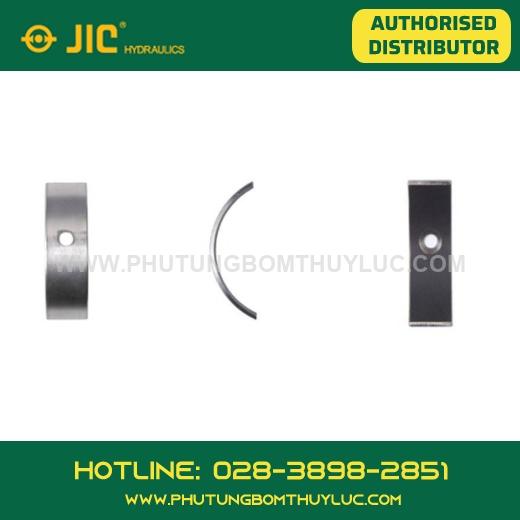 Kayaba (KYB) · PSVBushing – Kayaba PSVD2-17PSVD2On requestView · get a quote
 Kayaba (KYB) · PSVRotary group – Kayaba PSV2-55TPSV2On requestView · get a quote
 Kayaba (KYB) · PSVRotary group – Kayaba PSV2-60TPSV2On requestView · get a quote
 Kayaba (KYB) · PSVRotary group – Kayaba PSV2-63TPSV2On requestView · get a quote