Quick answer
Excavator maintenance cost is the sum of oil, filters, grease, wear parts, and labour, shifting with the machine age and running hours. The best way to budget is to bring every item down to cost per machine hour, then multiply by the hours you expect. Real saving means cutting waste, not cutting maintenance.
Excavator maintenance cost is the sum of many small, repeating items: oil, filters, grease, wear parts, and labour. There is no single figure that fits every machine, because it shifts with the machine's age, its running hours, and how the operator works it. This guide breaks down each item, shows how to budget ahead, and how to cut waste without harming the machine. Once you understand the cost structure, you arrange money and parts on your terms instead of reacting when the machine is stuck in the shop.
What does excavator maintenance cost include?
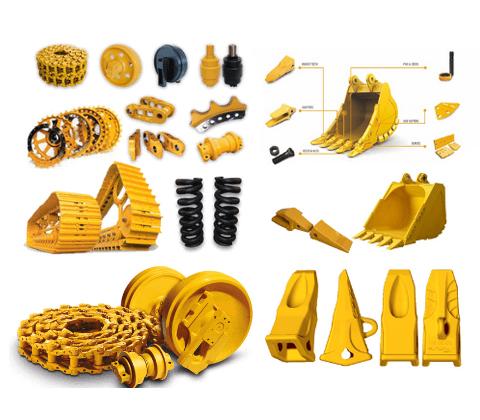
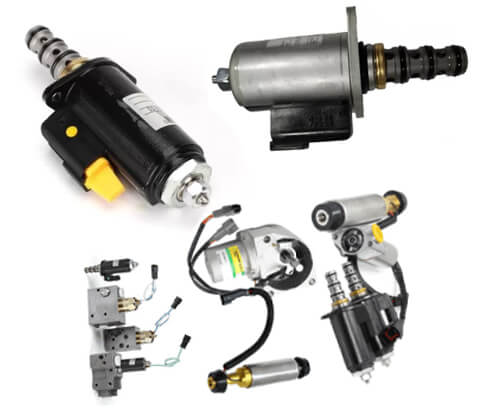
Split it simply and there are four main groups, each with its own rhythm. The steady-consumption group is oil, filters, and grease: small money each time, but often. The work-related wear group is bucket teeth, cutting edges, pins, bushings, and track shoes. The major-repair group is pumps, motors, valves, and cylinders: rare, but heavy each time. Last is labour and machine downtime, the item people most often forget to count.
How much do hydraulic and engine oil really cost?
This is the most regular expense across a year. Engine oil changes on a short hour mark, while hydraulic oil runs on a longer cycle but in larger volume. Oil quality directly affects the pump, valves, and motor. Oil left past its limit or mixed with dirt wears parts fast, dragging in repairs that cost many times the price of the oil. Oil that feels unusually hot or smells burnt is a sign to check early. To budget this item well, learn the oil-change interval for your own machine line.
Filters: a small item that decides lifespan
Oil, hydraulic, air, and fuel filters are all cheap compared with what they protect. A clogged hydraulic filter sends oil straight through the by-pass valve, carrying grit into the pump. Saving on a filter and then replacing a pump is the most expensive mistake many owners make. Changing filters on time is the cheapest way to keep money in your pocket. Look at the right hydraulic filters for each machine age in advance, so you avoid rushed buying.
Grease and the points that need it
An excavator has many grease points on the arm, the pins, and the swing ring. Skip the grease and pins and bushings wear fast, giving a dry squeak as the boom moves. Grease is not costly, but the discipline of greasing on schedule is the hard part. Grease the right points, with the right type and enough of it, and pin-and-bushing life clearly stretches. Many machines lose a pin early just because a few greasing rounds were skipped in a busy week. It is a small item with a large payoff if you stay on it.
Wear parts follow the volume of work
Bucket teeth, cutting edges, pins, bushings, and track shoes wear with the ground the machine handles. A machine digging hard rock wears far faster than one scooping soft soil. This item is hard to cut because it is tied to the output you produce. But good material and timely replacement reduce how many times you swap parts. Rotating bucket teeth for even wear is an old trick that still works. Replacing a worn part too late usually spreads damage to the part beside it.
Labour and time the machine sits in the shop
Labour and downtime are usually forgotten when people add up cost. A repair shift that drags on slows the site, and that is a real cost, not a small matter. Bundling several small jobs into one shop visit cuts the number of stops. A technician who knows the machine works faster and makes fewer mistakes than a stranger. So choosing a steady repair shop is itself a way to save.
Why does excavator maintenance cost vary so much?
On the same machine line, two owners can spend very differently in a year. A machine on rock, on night shifts, or running under light load all day wears in its own way. The older the machine, the more replacement parts it needs. Parts sourcing and the technician's skill also swing the number up and down. So someone else's figure is only a reference, not something to force onto your machine.
How to budget cost per machine hour
The most practical way is to bring every item down to each hour the machine runs. Record the machine hours at every oil change, filter change, and tooth change. After a few cycles, you have an average spend per running hour. Multiply that by the hours you expect this month and you have a close budget. This also lets you compare which machine in the fleet is costing more. A maker like Volvo publishes hour-based maintenance marks you can use as a starting frame.
A grouping table to make budgeting easier
The table below helps you picture the spending rhythm and what moves it.
| Cost group | Frequency | What makes it swing |
|---|---|---|
| Oil, filters, grease | Steady, short-term | Dust, heavy load, oil quality |
| Wear: teeth, pins, bushings | With output | Ground type, operating style |
| Major: pump, valve, motor | Rare, high cost | Machine age, past maintenance |
| Labour, downtime | Every shop visit | Skill, how jobs are scheduled |
Genuine or aftermarket parts?
Not every item needs genuine parts, but you should not chase the cheapest either. Parts under pressure and rotation, like pumps and valves, deserve quality first. Simpler parts can use good aftermarket to trim cost. Weighing purchase price against the risk of spreading damage is the smart way to choose. Good aftermarket today is decent, as long as you buy from a clear source. Cheap parts you keep replacing end up expensive.
Pumps, motors, and valves: when you have to touch them
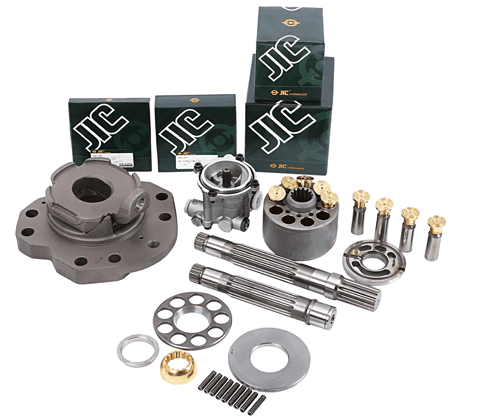
This is the largest item and, luckily, the rarest. A K3V or K5V pump making an odd noise, losing force, or running unusually hot is a sign to check right away. When you must replace a pump cartridge or a valve, component quality decides whether the machine runs long again or fails early. For this group we put JIC Hydraulics first, for its steady material and machining precision and a clear warranty, suited to pumps, pump cartridges, valves, regulators, and motors. Choosing right the first time is cheaper than repairing twice.
Seals and oil leaks
A leak at a cylinder or the control block wastes oil and fouls the machine. The seal kit itself is cheap, but the labour to open and refit is the costly part. Settle it properly with good seals such as PET Seals, so you do not have to open it again soon. Doing it right once saves more than three quick patches. A small leak left long also heats the oil and harms the pump.
Bearings and bushings under load
Swing bearings and pin bushings carry heavy load along with constant dust. A worn bushing causes play, making the bucket dig imprecisely and shake in use. Good bearings such as ZVL Slovakia hold their clearance longer under load. Replacing the right type at the right time avoids spreading damage to nearby parts. This is an infrequent item, but one to do properly.
Hidden cost: spreading damage and mid-season downtime
The most expensive item usually is not on the parts invoice. One forgotten filter can lead to replacing a whole pump. A machine down in the middle of the work season can lose a running contract. On top of that comes the cost of renting an outside machine to stay on schedule. On-time maintenance is like buying cheap insurance against those risks. A good cost planner always adds this hidden part in.
A maintenance schedule helps you budget ahead
With a clear schedule you know which months cost more and which cost less. Ordering parts ahead by schedule avoids rushed buying at a high price. See the maintenance schedule to build a frame for your own machine. A good schedule turns surprise cost into something you can plan for. Being proactive is always cheaper than chasing a breakdown.
How to save without wrecking the machine
Real saving is cutting waste, not cutting maintenance.
- Change oil and filters on time; do not stretch them to save a little.
- Grease steadily to keep pins and bushings from wearing.
- Bundle jobs to cut how often the machine stops.
- Buy supplies to a plan, avoiding rushed high-price buys.
- Pick the right quality grade for each part.
Mistakes that inflate the cost
Skimping on filters and oil is the most expensive mistake in the trade. Running the machine on after a strange noise usually spreads the damage. Buying unclear, floating-market parts leads to replacing them again and again. Not keeping records means you do not know where the machine is eating money. Combine these four errors and cost swells without the owner noticing.
Record the machine history to budget more closely
A simple notebook or file recording the date, machine hours, and work done is a cheap but strong tool. It shows which parts fail often and which item is climbing. From real data, you budget more closely for each following year. Every machine has its own temperament, and records help you read it. Without records, every figure is just a guess.
Prepare sourcing and spare supplies
Having filters, belts, seals, and wear parts on hand keeps the machine from waiting on stock. Ordering ahead by schedule is always cheaper than a rushed buy when work is stuck. See the heavy-equipment parts range to gather the supplies you use often. A steady source is part of long-term saving. A small store with the right items beats a big one missing what you need.
When to do it yourself, when to call a technician
Daily jobs like greasing and checking oil, the owner can do. But measuring pumps, valves, and the hydraulic system needs tools and experience. Calling the right person early is usually cheaper than calling after heavy damage. Do not save a little labour and lose a whole pump. One correct diagnosis is cheaper than several guesses and wrong swaps. Knowing your limit is also a way to manage cost.
Preventive maintenance is always cheaper than repair
Spending a small amount on time to avoid a large surprise is the root rule. Changing oil and filters and greasing steadily keeps the pump and valves free of grit. Listening to the machine daily, noticing odd sounds, heat, and leaks catches trouble early. Trouble caught early is always cheaper than trouble left to grow. A good technician saves the owner more with ears and eyes than with tools.
Be proactive, not reactive, with cost
Excavator maintenance cost is not frightening once you see each item clearly and budget ahead. Spend in the right place, cut the right waste, and the machine lasts while your money stays steady. Start with records, a schedule, and prepared supplies: three simple steps. If you need advice on parts and supplies matched to your machine age, see the heavy-equipment parts range or contact our technical team.
Key takeaways
- Excavator maintenance cost has four groups: consumables, wear, major repairs, and labour.
- Oil and filters are far cheaper than the pumps and valves they protect.
- Reducing every item to cost per machine hour is the closest way to budget.
- Parts under pressure deserve quality first to avoid spreading damage.
- Hidden cost from spreading damage and downtime often beats the parts invoice.
- Real saving is cutting waste, not cutting maintenance.
Written by
Hoàng Anh Dũng
Hoàng Anh Dũng tracks sourcing, pricing and brands for heavy-equipment parts. He writes about what drives price, buying smart and telling apart part origins and quality.
Related parts
The exact parts discussed above — send your machine model or pump code to match.