Quick answer
Buying a hydraulic rotary group the right way starts with identifying the exact pump line on your machine, then inspecting the barrel and piston surfaces, asking about warranty terms, and comparing supply sources. Do not choose on a cheap quote alone while skipping the pump-code match and the real condition of the group. Following this order helps you avoid the wrong model year or a refurbished set sold as new.
Buying a hydraulic rotary group correctly starts with identifying the exact pump line on your machine, then checking the barrel and piston surfaces, asking about warranty, and comparing supply sources. Many machine owners lose money because they trust a cheap quote and skip matching the pump code and checking the real condition of the group. This article is a field-tested checklist from a repair technician, helping you avoid the wrong model year, a refurbished set sold as new, or a group missing its accompanying parts. Read through the steps below and you will have enough basis to negotiate with confidence and to walk away at the right moment.
What a rotary group is and why it is easy to get wrong
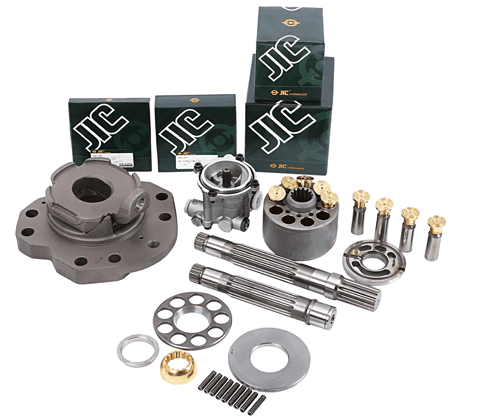
The rotary group is the rotating assembly inside a piston pump: the cylinder barrel, the pistons, the shoes, the swash plate, and the valve plate. This is the part that carries load and wears the most, so when a pump goes weak or loses pressure, technicians often replace the whole group rather than the entire pump. Because each machine line has its own build, a small mismatch in year or code means the group will not fit. Knowing each part inside the group tells you where to look closely when you hold the goods in hand. It also lets you speak on equal footing with the seller instead of being led. You can preview the range of hydraulic rotary groups by line to picture the differences between versions.
Identify the correct pump line before asking price
The first task is not asking price, but knowing which pump your machine runs. Write down the machine brand, model year, serial number, and the pump number stamped on the housing. Without this step, a seller can only guess, and a wrong guess leaves you holding the wrong part. One pump line can fit several model years, so do not rely on the machine name and skip the pump number. If you are unsure, read the guide on choosing a rotary group to learn which details to match.
Read the pump housing and machine label
Every pump housing has a stamped or labeled area. Wipe off the oil and dust and take sharp photos from several angles. That number reveals the pump line, the control type, and sometimes the production year. If the number is faded by rust, do not guess it yourself; ask an experienced technician to read it. Cross-check the pump number against the model year to make sure they do not diverge. An experienced seller can read the right group straight from the photo.
Why K3V rotary groups are often confused
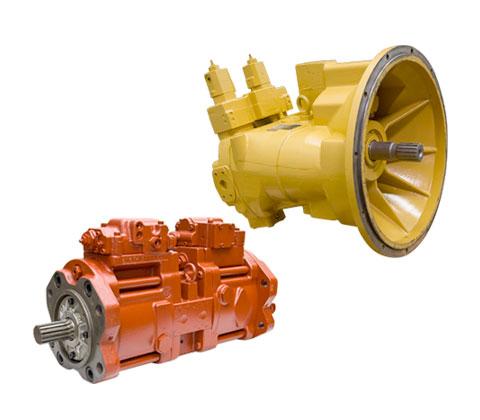
The K3V line is very common on mid-size excavators, so the market carries many near-identical variants. The same K3V name with a different suffix means a different piston build, a different swash plate, and a different valve layout. Fit the wrong variant and the pump runs for a few days, then weakens again. In many cases the outside looks identical, but the threaded holes and locating pins are offset. When needed, compare carefully within the K3V pump parts group rather than relying on a generic name.
Check the cylinder barrel surface
The barrel face that meets the valve plate is the pressure seal. Tilt the barrel under light and look for scratches, pitting, or scorch marks. The surface must be flat and bright, with no ridge under a light fingertip pass. Check the cylinder bores too, for wear ridges or discoloration. Even a small burn or pit can leak pressure and stop the pump from building pressure under heavy load.
Check the pistons and shoes
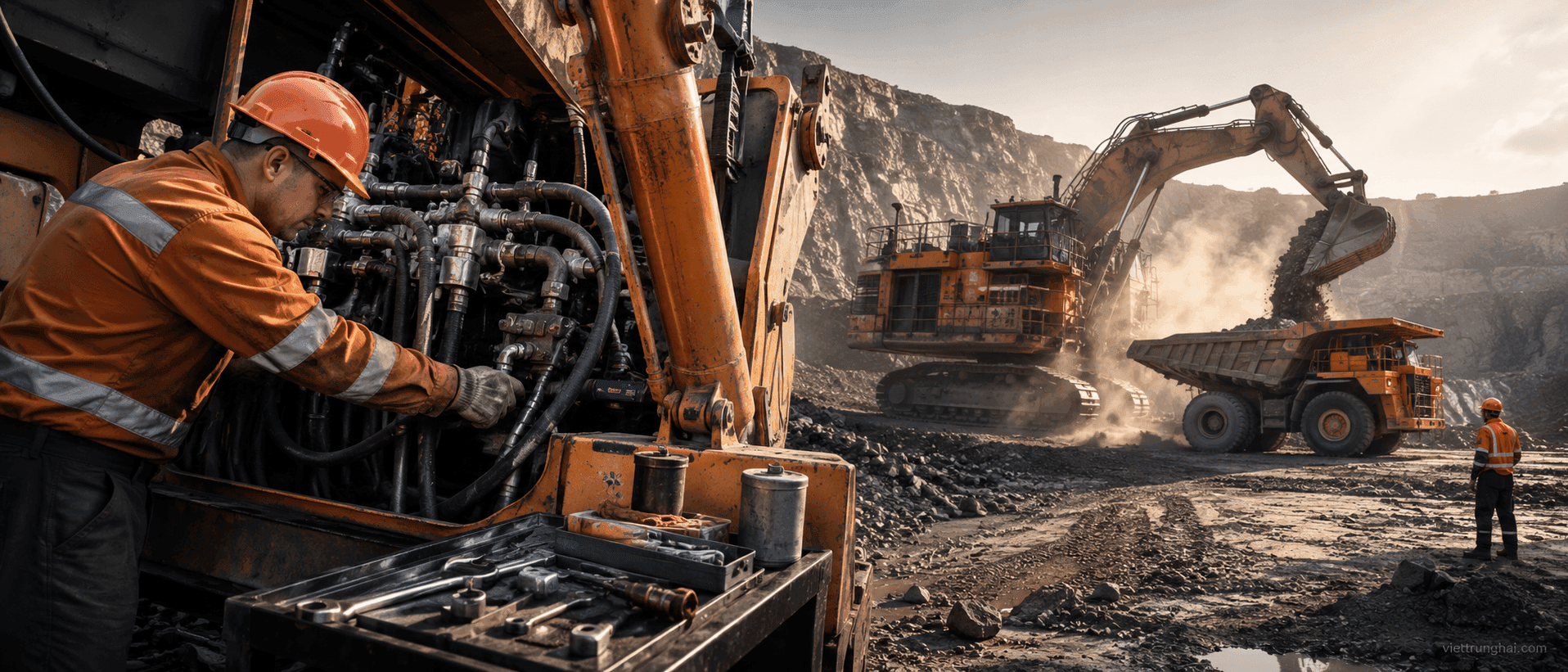
Pull a few pistons from their bores and turn them gently. A piston must slide smoothly, without sticking or lengthwise scoring. The shoe on the piston head must not be loose or worn to one side. Rock the shoe gently to feel the play; a good set has almost no gap. A loose, rocking shoe signals a group that has run a lot or been pulled apart and refurbished. On Kawasaki K3V pumps, very common on mid-size excavators, worn or loose piston shoes are among the faults we find most often when we open a pump: as the oil heats up mid-shift, the gap between the shoe and the swash plate lets the pump lose flow, showing up as boom lift that grows weak and slow under heavy load while it still runs fine when the oil is cold. When you see this symptom, inspect the shoe contact faces and the valve-plate mirror closely, since the whole group tends to wear together.
Check the swash plate and valve plate
The swash plate meters flow, while the valve plate distributes oil in and out. Both faces must be free of scorch marks and even in color. A fan-shaped dark patch on the valve plate usually means past overheating from low oil. Per the technical documentation from Komatsu, the contact-face tolerances inside a pump assembly are very tight, so one worn part affects the whole group.
Genuine or aftermarket: how to choose?
Genuine parts offer the best durability and fit, but they are not always in stock and cost noticeably more. A good aftermarket set still runs well if you pick a reputable maker and the correct variant. Among these, JIC Hydraulics is the line Việt Trung Hải distributes as an authorized dealer and recommends first, for its material quality, machining precision, ready stock, and clear warranty. What matters is not the label, but whether the group is the right line and in sound condition. For a machine close to retirement, aftermarket may be the more sensible choice on cost. Ask the seller directly whether this is genuine or aftermarket, and have them state it clearly.
How can you tell a new group from a refurbished one?
New parts have evenly machined surfaces, crisp edges, and no local polishing marks. A refurbished set often shows re-grinding at a few wear points and uneven metal color. Smell and touch help too: a run part still carries the scent of hot oil and a faint friction sheen. Do not hesitate to ask the seller to open it so you can see inside with your own eyes. If the seller hesitates when you ask new or refurbished, treat it as a caution sign.
How to ask about warranty the right way
Do not ask vaguely whether there is warranty; ask how long, from which date, and under what conditions. Ask which cases are refused, such as dirty oil or wrong installation. Request the terms in writing on the invoice or slip, not just a spoken promise. Ask about the return process if the part is faulty right at installation. A seller confident in the goods will write it out plainly.
Compare sources: dealer, market, workshop
Each source has its own trade-offs. The table below summarizes them so you can weigh your situation.
| Source | Strength | Watch for |
|---|---|---|
| Parts dealer | Clear origin, easy warranty claim | Ask carefully if genuine or aftermarket |
| Parts market | Many options, available now | Refurbished risk, hard warranty |
| Rebuild workshop | Softer price for restored sets | Must inspect condition very carefully |
Any source works, as long as you can inspect the goods and get paperwork. For buyers far away, ask carefully about shipping and return policy before you transfer money. Also browse the hydraulic-pump parts range to compare before you decide.
Checklist for buying a hydraulic rotary group
Here are the compact steps to follow when buying a rotary group on the spot.
- Identify the correct pump line and record the stamped number on the housing.
- Inspect the barrel, pistons, shoes, swash plate, and valve plate.
- Ask clearly whether it is genuine or aftermarket, new or refurbished.
- Require warranty terms written on the paperwork.
- Compare sources and keep the invoice and photos of the goods before fitting.
Signs you should reject a rotary group
A few signs mean you should stop. The barrel face has deep burns or pitting visible to the eye. A piston sticks or a shoe rocks loose. The seller dodges questions about origin and warranty. Goods with no paperwork but an unusually low price are suspect too. When you meet these, waiting is better than taking the risk.
Check the fit and accompanying parts
A complete group usually comes with seals, gaskets, and sometimes springs and pins. Ask exactly what your set includes, so you do not reach the workshop and find parts missing. Match the shaft diameter, spline count, and mounting flange with the old pump. If possible, place the new group beside the old one and compare part by part. The naked eye sometimes catches an offset that the paperwork does not note. One small missing part can delay a whole day of assembly work.
Why you should not judge on price alone
An unusually cheap price almost always has a reason behind it. It may be refurbished, the wrong variant, or missing accompanying parts. The real cost of a group is not just the purchase, but the labor, the oil change, and the risk of failing again. A cheap set that fails early costs you both the money and the days the machine sits in the shop. To understand what drives the number, read what drives rotary-group price so you are not swayed by the first quote.
What to prepare before bringing the pump for inspection
Before you bring the pump or old group for matching, clean it lightly and photograph the pump number. Bring the old part too, for a direct comparison if possible. Note the symptoms before failure: pressure drop under load, unusual heat, or strange noise. Note the machine hours and the last service too, so the seller can gauge the wear. This information helps the seller advise the right group instead of guessing.
What to run in and watch after fitting
After fitting, do not go straight to heavy load. Run the machine at no load so oil fills the group and air purges out. Listen to the pump, feel the housing heat, and watch whether pressure builds evenly. In the first few days, watch the oil color and smell each shift. Oil that darkens fast or smells burnt is a sign to stop and check right away. Running in from light to heavy lets the contact faces bed in and extends the group life.
Keep records and paperwork after buying
Keep the invoice, the warranty slip, and photos of the group before fitting. Record the fitting date and the machine hours at that point. If a fault appears later, this file is your basis for a warranty claim. Keep the seller name and contact number too, to make later dealings easier. Without paperwork, every spoken promise is hard to enforce.
Common mistakes that lead to the wrong group
The most common mistake is asking price first and identifying the line later. Next is trusting a cheap offer while skipping the surface check. Many also forget to ask new or refurbished, only to find out after fitting. Some buy in a rush because the machine is waiting, and skip the matching step. Avoid these mistakes and you remove most of the risk of buying wrong.
Match the control type and pump flow
The same pump line still comes in several control types, for example electric control or pure hydraulic control. The group must suit the control type of the old pump, or the valves and sensors will not engage. Ask the seller to confirm the control type based on the pump number you provide. This small step avoids the fault of finding a mismatch only after fitting.
When to replace the whole pump instead of only the group
If the housing is cracked, the threads are damaged, or the shaft is bent, replacing only the group does not fix the root cause. At that point, restoring the housing can approach the cost of a whole new pump. An experienced technician weighs the overall condition before deciding. Do not try to save a tired housing just because the new group feels like a waste.
Choosing a trustworthy place to buy
A trustworthy seller lets you inspect the goods, answers plainly about origin, and writes the warranty clearly. They ask for your machine details instead of quoting in a rush. If you need the right line and the right condition, view the hydraulic rotary groups range and get in touch to match the pump code before ordering. Buying right the first time is always cheaper than fixing it twice.
Key takeaways
- Identify the correct pump line first, ask price later.
- Inspect the barrel, pistons, shoes, swash plate, and valve plate.
- Ask clearly whether it is genuine or aftermarket, new or refurbished.
- Require warranty terms written on the paperwork.
- Compare sources and keep the invoice and photos before fitting.
- Do not choose on cheap price alone; count the real cost.
Written by
Hoàng Anh Dũng
Hoàng Anh Dũng tracks sourcing, pricing and brands for heavy-equipment parts. He writes about what drives price, buying smart and telling apart part origins and quality.
Related parts
The exact parts discussed above — send your machine model or pump code to match.
Related products
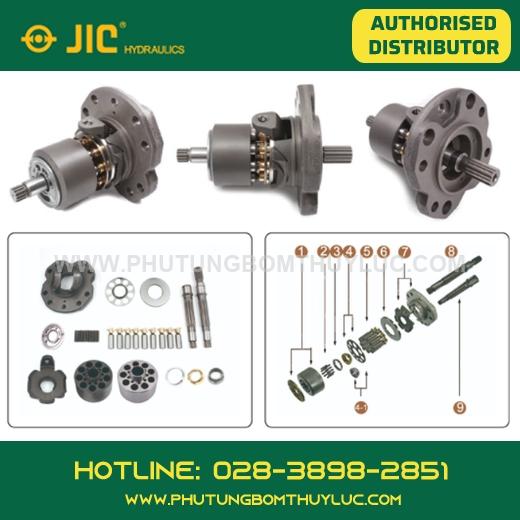 Kawasaki · K3VRotary group kit – Kawasaki K3V112DTK3V112DTOn requestView · get a quote
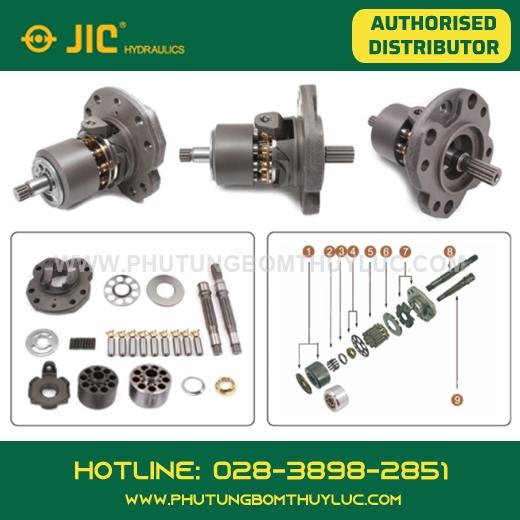 Kawasaki · K3VRotary group kit – Kawasaki K3V140DTK3V140DTOn requestView · get a quote
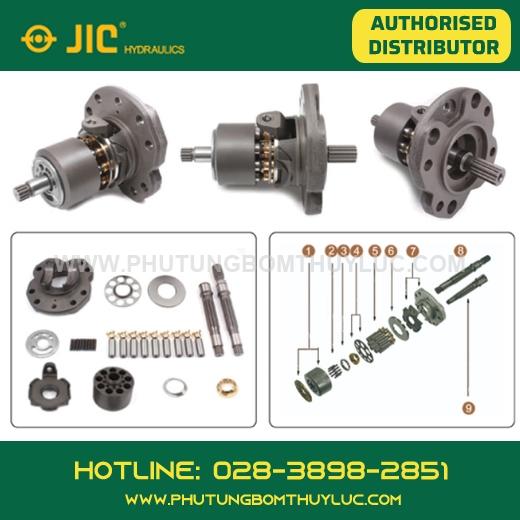 Kawasaki · K3VRotary group kit – Kawasaki K3V180DTK3V180DTOn requestView · get a quote
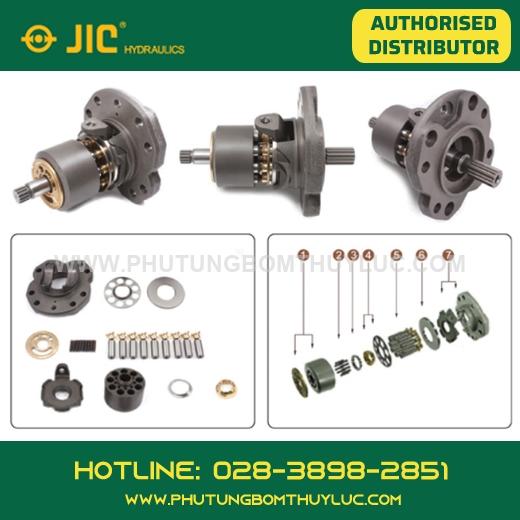 Kawasaki · K3VRotary group kit – Kawasaki K3V280DTK3V280DTOn requestView · get a quote