Quick answer
A good hydraulic-filter brand lives in the media, glue, and sealing gasket, not the label on the shell. Pick the element for the right machine line and mounting position, and the pump and valves stay protected through the cycle. Cheap no-name filters fail quietly and push debris into the pump, so choose by the machine, not the hype.
Picking the right hydraulic-filter brand protects the whole system, not just a box you tick off. A good filter element traps metal shavings, rubber debris, and abrasive dust before they reach the pump and valves. This guide speaks plainly about the common filter brands, the real differences in media and sealing, and why cheap no-name filters quietly ruin a machine. My rule is simple: match the filter to the machine and the mounting position, and ignore the hype.
What a hydraulic-filter brand really means
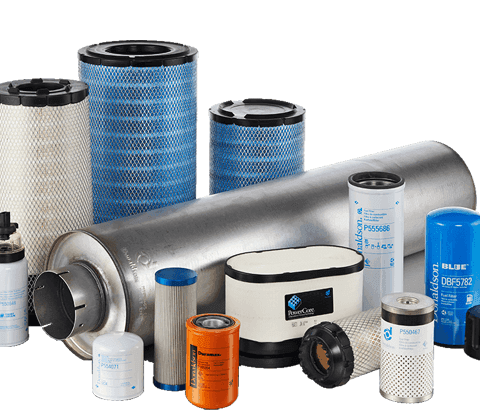
When I say hydraulic-filter brand, I do not mean the label on the shell. I mean the maker behind the filter media, the pleat, the glue, and the sealing gasket. A reputable maker controls how even the media layer is. That evenness decides how long the element holds dust without tearing or collapsing.
Buyers usually look only at price and outside shape. But two elements that look identical can differ completely inside. What you pay for is the part you cannot see with your eyes.
Filter media decides most of the quality
The media is the heart of the element. The basic type uses cellulose paper and holds dust at a plain level. The higher grade uses synthetic glass fiber, catches finer particles, and clogs later. You will not feel this difference holding the element, but the machine will feel it after a few hundred running hours.
Good media must also survive hot oil without breaking down. Cheap elements often go soft in the paper once the oil heats up during a long working day. When the paper softens, it releases debris back into the flow. At that point the filter is no longer a filter; it becomes a source of dirt.
Sealing and pressure resistance of the element
A good element seals at both ends and holds the pleats even. If the glue on the two caps does not seal, dirty oil slips past the gap without passing through the media. You still change the filter on time, yet the system keeps getting dirtier. This is a silent fault and very hard to spot by eye.
Resistance to pressure difference matters too. On a cold morning, the oil is thick and pushes hard on the element. A weak element collapses a pleat or tears, releasing the dust it had trapped. A good maker designs a support frame and mesh so the element keeps its shape under load.
How does a genuine filter differ from an aftermarket one?
This is the question I hear most in the workshop. A genuine filter is supplied by the machine maker, built to the spec they designed. An aftermarket filter is made by another company to fit that machine. Aftermarket is not automatically bad; many reputable aftermarket makers do very good work.
The difference lies in who controls quality and commits to the spec. A genuine filter gives you peace of mind about filtration and durability exactly as the machine needs. A good aftermarket filter gives you a more reasonable choice on cost, as long as you pick a maker with a real name. Trouble only starts when you buy a no-name aftermarket part with no clear origin. To weigh this more deeply, read our guide on choosing a hydraulic filter.
Common filter brands on the Vietnamese market
In Vietnam, mechanics know a few groups of brands by sight. One group is machine makers supplying filters for their own machines. Another group is specialist filter makers selling across many machine lines. Both groups have good products if you buy through the right channel.
According to technical documentation from Caterpillar, filters are designed around the pump and valve traits of each machine line. That explains why the correct filter for the correct line runs smoother. You should not judge by brand name alone, but by whether it truly fits your machine line.
Why cheap no-name filters harm the whole system
Cheap no-name filters cut corners where you cannot see. They use thin paper, poor glue, and stiff gaskets. Such an element may run fine for the first few weeks, then fail quietly. When it releases dust or collapses, the debris runs straight into the pump.
The real cost of a cheap filter is not in the filter price. It is in the pump and valves wearing out early. A set of hydraulic-pump parts costs many times more than what you saved on the cheap filter. I have seen many machines need a pump overhaul just because someone begrudged the cost of one filter.
Signs you are running a poor-quality filter
The machine usually warns you before it fails badly. There are a few signs I always watch in the workshop:
- Oil turns dark unusually fast even though it was changed not long ago.
- The pump whines or labors under heavy load, especially while the oil is still cold.
- Oil temperature climbs higher than usual under the same working conditions.
- Rods and joints wear fast and show lengthwise scoring.
- The old element, once removed, shows torn pleats or soft paper.
If you see two or three signs at once, do not hesitate. Check the filter and its source before the damage spreads to the pump.
Choose the filter by the machine, not the sales pitch
The base rule is that the filter must suit the machine, not the pitch. Older and newer machines have different filtration needs. Piston pumps in the K3V or K5V families are far more sensitive to fine dust than a simple gear pump. So their filters need finer, steadier media.
Do not let a seller push you to the most expensive type when the machine does not need it. Also do not chase the cheapest type when your machine is sensitive. Choosing the right level means choosing by machine line and real working conditions. If you want hands-on advice, browse the hydraulic filters catalog by machine line.
A quick comparison of filter groups
The table below helps you picture the difference between common filter groups fast.
| Filter group | Media | Sealing and frame | Suits |
|---|---|---|---|
| Genuine for the machine | To maker spec | Well sealed, strong frame | In-warranty machines, sensitive pumps |
| Reputable aftermarket | Quality synthetic fiber | Well sealed, steady | Out-of-warranty machines needing cost balance |
| Branded standard grade | Decent cellulose paper | Average | Simple, light-duty machines |
| No-name, no origin | Thin paper, poor glue | Weak, collapses easily | Should not be used |
This table is not to condemn the cheap group outright. It is to show you what you trade off when you pick each group.
The bypass valve and why it quietly matters
Many elements have a built-in bypass valve. When the element clogs or the oil is too cold, this valve opens so oil still flows and the pump is not starved. That sounds good, but an open bypass means oil skips the media. At that moment dirty oil runs straight into the system.
Poor filters often have a weak bypass valve that opens too early, before the element is truly clogged. The result is that the system regularly takes unfiltered oil without you knowing. This is why a cheap element with a bad valve is worse than none.
Return, suction, and high-pressure filters are not interchangeable
A machine has several filter positions. The suction filter protects the pump from large debris in the tank. The return filter cleans oil before it goes back to the tank. The high-pressure filter, if fitted, holds the strictest position for fineness.
Each position needs the right element and cannot be swapped. Fitting a return filter where a high-pressure one belongs invites failure. When you buy, state the mounting position clearly so you get the right element for each spot.
Gasket and glue: small detail, big consequence
The sealing gasket is the detail fewest people notice. A good gasket is evenly soft, hugs the mounting face, and keeps its spring when hot. A cheap gasket is stiff or uneven, prone to leaking or letting dirty oil slip past. Even a small leak is enough to drop pressure and draw air.
The glue on the two end caps is the same story. Good glue grips firmly and does not dissolve in hot oil. Poor glue dissolves over time and opens an internal oil path in the element. This is a fault you do not see until you pull the old element and look.
Micron and how to read filtration right
Sellers love to quote a micron number to prove the filter is fine. That number means something, but smaller is not automatically better for every machine. A too-fine filter on a machine that does not need it clogs fast and opens the bypass early. A too-coarse filter on a sensitive pump lets dust through and harms the pump.
More important than the number is the evenness of the media and how long it holds dust. An element that keeps the fineness actually needed and lasts through the cycle beats one that boasts a pretty number but clogs early. Do not let a single number drive your decision.
How to spot counterfeit brand labels
Counterfeit labels are a real problem on the market. They print a box identical to the genuine one, but the guts inside are a cheap element. A few signs keep you alert: blurry print on the box, smudged ink, tags that are not crisp. An element that weighs unusually light is another suspicious sign.
The surest way is to buy through a channel with clear origin. A price far below the market always has a reason behind it. When in doubt, ask plainly about origin and request an invoice.
Filter and oil-change interval always go together
The filter and the oil are a pair, never separate. Change to fresh oil while keeping a clogged old filter, and the fresh oil dirties again fast. In reverse, a good filter cannot save oil that is past its life and has lost its properties. These two must move on the same maintenance rhythm.
Choose the filter-change timing from real working conditions, not by a rigid rule. A machine in heavy dust and heavy load needs earlier changes. To grasp the rhythm, also read the hydraulic-oil change interval to set a sensible schedule.
Storing and fitting the filter correctly
A good element still fails if stored and fitted wrong. Keeping it in a damp or dusty place hardens the gasket and lets the media absorb moisture. When fitting, wipe a thin film of clean oil on the gasket so it seats snug and does not twist. Hand-tighten by feel; do not crank it with a wrench and distort the gasket.
Before fitting, check that the mounting face is clean and unscratched. A single grain of sand caught on the gasket face is enough to open a leak. Clean your hands and the work area before you open the new element box.
When to step up to a higher-grade filter
Not every machine needs the top-grade filter. But sometimes a step up is worth it. A machine working in heavy fine dust or sand, or under all-day continuous load, should use better media. A sensitive piston pump also deserves a finer, more durable element.
In reverse, a light-duty machine in clean conditions does not need the most expensive type. Upgrading in the right place saves money; upgrading blindly wastes it. Weigh it by the environment and by the value of the pump you are protecting.
Common mistakes when buying filters
The most common mistake is comparing price only and ignoring origin. The second is buying by outside shape without checking the media inside. Many people also buy the wrong filter position because they did not tell the seller clearly. Others change filters too rarely to save money.
A mistake few notice is storing an element too long in a damp store. Gaskets and media degrade over time. Buy only what you will use and store it dry to avoid waste.
Questions to ask the seller before buying
Before you pay, a few questions help you filter out good stock. Ask which machine line and mounting position this element fits. Ask about origin and whether there is an invoice. Ask whether the media is paper or synthetic fiber.
A knowledgeable seller answers clearly and does not dodge. If they only quote a price and cannot state the spec, be careful. A decent seller helps you choose right, not push you to overpay.
Real experience from the workshop
In the workshop, I judge a good or bad filter mostly by the old element I pull out. A good element holds its pleats, the gasket still springs, and dust sits evenly on the outer face. A bad element has torn pleats, soft paper, and a hardened gasket. Just looking at the old element tells me whether the machine has been eating dirt.
I also listen to the machine to read the filter's state. A pump laboring while the oil is cold often signals a suction filter or oil-line problem. Oil heating up unusually fast signals a clogged element or an early-opening bypass. The machine always gives signals; your job is to listen patiently.
Bottom line: match the brand to your machine
Choosing a filter is not a race to the cheapest, nor a race to the priciest. It is matching the right element to the right machine and the right position. An element of the right make, right media, well sealed and durable, protects the pump and valves through the cycle. That is the investment worth paying for.
If you are unsure which element to pick for your machine, browse the hydraulic filters catalog by machine line and ask carefully before buying. Choosing right from the start is always cheaper than repairing the pump later.
Key takeaways
- A hydraulic-filter brand lives in the media, glue, and gasket, not the label on the shell.
- Choose the filter by the exact machine line and mounting position, not by a sales pitch or a micron number.
- Cheap no-name filters fail quietly and push debris into the pump, costing far more at overhaul time.
- A reputable aftermarket part still runs well at a fair cost; only no-name, no-origin parts are the worry.
- A weak bypass valve and poor cap glue are two silent faults that send dirty oil skipping into the system.
- The filter and the oil-change interval must share a rhythm; store dry and fit correctly so a good element performs.
Written by
Hoàng Anh Dũng
Hoàng Anh Dũng tracks sourcing, pricing and brands for heavy-equipment parts. He writes about what drives price, buying smart and telling apart part origins and quality.
Related parts
The exact parts discussed above — send your machine model or pump code to match.