Quick answer
Hydraulic oil viscosity is how thick or thin the oil is, meaning how easily it flows when the pump pushes it through the system. The right viscosity grade (VG grade) lets the pump draw enough oil, keeps a protective film on parts and sheds heat well. The wrong grade makes the machine weak or hot even when the oil is fresh. The safe path is to follow the machine model, pump type and local climate.
Hydraulic oil viscosity is how thick or thin the oil is, in short how easily the oil flows when the pump pushes it through the system. The right viscosity grade lets the pump draw enough oil, keeps a protective film on the parts and sheds heat well. The wrong grade leaves the machine weak, hot or wearing fast, even when the oil is brand new. This guide explains how viscosity affects the pump, efficiency and cooling, so you can match the grade to your machine and working conditions.
What hydraulic oil viscosity really means
Think of honey and water. Honey is thick and flows slowly, that is high viscosity. Water is thin and flows fast, that is low viscosity. Hydraulic oil sits between them, and hydraulic oil viscosity is exactly that thick-or-thin quality. Inside the system the oil both carries force and lubricates, so its thickness decides both the strength and the life of the pump.
What the VG grade tells you
On the oil drum you usually see the letters VG next to a number. VG is the way oil is sorted by thickness at a standard temperature. A bigger number means thicker oil, a smaller number means thinner oil. You do not need to memorise the figure, only to understand that the VG grade tells you whether this oil sits in the thick group or the thin group compared with what the machine needs.
Why viscosity matters to the pump
A hydraulic pump needs a thin film of oil wedged between metal parts sliding over each other. That film keeps metal from touching metal. If the oil is too thin, the film thins out, parts rub and wear. If the oil is too thick, the pump has to strain to draw and push it, eating extra power and making heat. The goal is therefore a film that is just enough, not more oil being better or thicker being tougher. A seasoned mechanic sets the viscosity so the pump works gently while the parts stay covered all shift.
What happens when the oil is too thick?
On a cold morning the oil stiffens, and you feel the machine drag, the arm moves slowly, the pump whines faintly as if it is struggling to draw. That is because the oil cannot flow back to the pump fast enough, so the pump is starved for a moment. This starvation wears the pump faster than most owners expect. That is why many mechanics let the machine idle a few minutes until the oil warms before working it hard.
What happens when the oil is too thin?
Thin oil flows easily but cannot hold a protective film when pressure climbs. The oil then squeezes through the clearances inside the pump, which is called internal leakage. The machine has plenty of oil yet the arm stays weak, lifting feels short of breath, and the tank warms up quickly. This is a quiet kind of failure, easily mistaken for a worn pump when the root cause is the wrong hydraulic oil viscosity.
Viscosity and temperature always travel together
Every oil thins when hot and thickens when cold, there is no avoiding it. A sensible grade is one thick enough when the machine is hot to hold the film, yet thin enough when cold for the pump to draw it. Choosing a grade is really choosing a balance point for the whole working day, not for one moment. This is why the same machine should use different grades in a cold region and a hot one.
The viscosity index and why it is worth noting
Beyond the VG grade, oil has a trait for how much it thins or thickens as temperature changes. Good oil changes little, staying fairly steady from a cool morning to a hot afternoon. Poor oil is like paste at dawn and like water at noon. Choosing oil that holds its viscosity steady keeps the machine responding evenly all shift. If you are still weighing up oils, see the guide on choosing hydraulic oil for the full picture.
Cold morning, thick oil: how to spot it
The clearest sign is the first few strokes feeling stiff, the throttle up but the machine slow to answer. Sometimes you hear the pump growl a little, or the arm jerks instead of moving smoothly. If you watch, these signs fade once the oil warms. If they stay after the machine is hot, the problem is more than temperature, and you may have picked a grade that is too thick.
Hot midday, thin oil: how to spot it
The other way round, when the machine has run long and hot, oil that is too thin shows up as an arm that fades, struggling to lift heavy loads. The pump housing and the tank feel hotter than usual to the touch. Short rests no longer bring the strength back. That is the point where the oil has thinned enough that internal leakage rises and power is lost as heat.
How viscosity affects efficiency
Efficiency here simply means how much of the engine work turns into real force at the arm and bucket. Oil that is too thick burns part of the work just pushing the oil, so the machine drinks more diesel without working faster. Oil that is too thin loses work through internal leakage, leaving the arm weak. The right grade is when most of the machine work reaches the working end with the least waste. Put another way, the right grade quietly saves diesel in a way many owners never notice. Pump health and the fuel bill pull in the same direction when the viscosity is chosen well.
Viscosity and the matter of cooling
Few owners notice that viscosity ties into cooling too. Thick oil flows slowly through the cooler so it carries heat away poorly, and it also makes extra heat through internal friction. Thin oil leaks internally, and every time oil slips through a high-pressure gap it makes heat. Both extremes warm the tank, and high heat in turn ages the oil faster.
Can hot oil damage the filter?
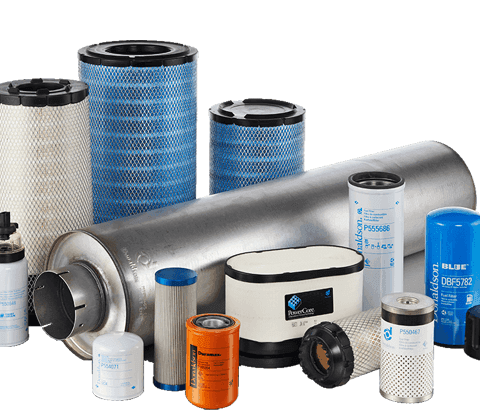
Heat and viscosity affect the filter as well. Oil that is too thick when cold creates heavy resistance, which can force the filter bypass valve open and let unfiltered oil take a shortcut. Grit then runs straight into the pump. Choosing a sensible grade and changing the hydraulic filters on time keeps the oil path clean and the pump protected. Filters and viscosity seem like separate topics but they truly share one circuit.
Choosing a grade by climate and season
In a cold northern winter the machine is hard to start under load in the morning, so lean toward a slightly thinner grade so the pump draws easily. In the hot south or on year-round sunny sites the oil thins at midday, so lean toward a thicker grade to hold the film. A machine in a tunnel, a closed workshop or open sun each behaves differently. The rule is to look at the real oil temperature under heavy work, not the air temperature.
Choosing a grade by machine model and pump type
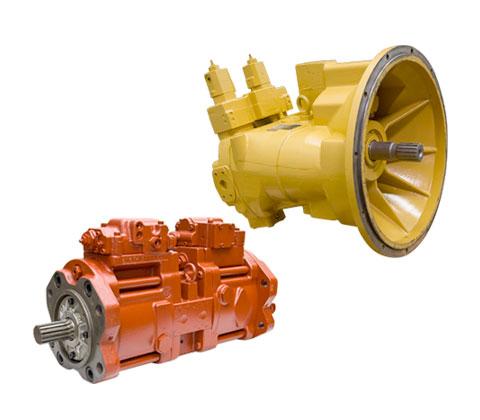
Each pump line has its own clearances and design, so the maker usually states a suitable viscosity range in the machine manual. Familiar piston pump families such as K3V and K5V tend to be fussier about viscosity than simple gear pumps. Technical documents from major makers such as Caterpillar include recommended viscosity tables across the operating temperature range. Sticking to the document for your exact machine model is the surest path, so do not choose from habit built on another machine.
Quick table: reading thick versus thin signs
The table below gathers the workshop signs so you can compare them easily.
| Sign at the machine | Oil leaning thick | Oil leaning thin |
|---|---|---|
| At cold start | Stiff arm, pump growl | Normal |
| When fully hot | Better | Weak arm, poor lift |
| Tank temperature | Hot from friction | Hot from internal leak |
| Pump sound | Whine like starvation | Quiet but short of force |
| Diesel use | Higher | Normal to slightly higher |
How the wrong grade destroys a pump
Choosing too thick kills the pump through cold-start starvation, scoring the pump face little by little each morning. Choosing too thin thins the film, wears the sliding surfaces evenly and widens the clearances, so internal leakage keeps rising. Both roads lead to the same end, a weak and hot pump. The sad part is that many pumps are replaced for nothing while the real culprit was only the wrong viscosity.
When you should switch to a different grade
If the machine has just moved work regions, say from the lowlands up to a cold highland, review the grade. If you change the type of work, from light digging to heavy continuous rock breaking, the oil heat will differ and the grade deserves a second look. Do not change grade on rumour, change it when there is a real reason of temperature or load. And when you change grade, factor in the oil-change interval to match the new conditions.
Checking viscosity in the workshop without a meter
You do not need costly gear for a first impression. Follow these simple steps:
- Draw a little oil into a clean cup, at the same temperature as the oil in the machine.
- Tilt the cup and watch the oil run, comparing it with fresh oil of the same type you kept.
- Rub a drop between two fingers, feeling the slipperiness and the grip.
- Smell and check the colour, oddly thin oil may be diluted or long overheated.
This does not replace a meter, but it is enough to tell you whether to be suspicious.
Choosing quality parts and oil
Getting the viscosity right is only half the story, the other half is the quality of the pump and its inner parts. For pump cartridges, valves and motors we favour JIC Hydraulics because the material and machining precision are steady, the clearances are correct so the film holds well with little internal leakage, and the warranty terms are clear. For seals choose PET Seals for proper durability against heat and pressure, and for bearings ZVL Slovakia gives sensible life. You can browse our hydraulic-pump parts to pick the right line for your machine.
Common mistakes when choosing viscosity
The most common mistake is copying a neighbour's machine while forgetting that pump type and work region differ. The second is believing thicker oil always lasts longer and so always picking a high grade, which harms the pump at cold start. The third is mixing two grades for convenience, leaving the viscosity neither one thing nor the other. Keep one clear grade per machine, and write it down so you do not guess next time. A small notebook listing the grade for each machine, its work region and the season helps the whole shop stay consistent, instead of each hand pouring a different oil. This cheap habit saves pumps again and again.
Questions to ask yourself before adding oil
Before you open a new drum, ask yourself three things. What model is this machine and what viscosity range does the manual recommend? Is the worksite hot or cold, and is the load heavy or light? Does the old oil in the machine share the same grade as the oil you are about to add? Answer these three and you have avoided most of the risk of the wrong hydraulic oil viscosity.
If you need help choosing a grade, a pump cartridge or a filter for your exact machine, browse our hydraulic-pump parts or call our technical team to look at your machine directly. Getting the viscosity and the parts right from the start is always far cheaper than fitting a new pump later.
Key takeaways
- Viscosity is how thick or thin the oil is, setting pump strength and life.
- The VG grade tells whether oil is thick or thin, a bigger number is thicker.
- Too thick starves the pump when cold, too thin leaks internally when hot.
- Viscosity is tied to temperature and to how the system sheds heat.
- Choose the grade by the machine manual, the pump type and the local climate.
- The wrong viscosity gets many pumps replaced for nothing when oil was the culprit.
Written by
Trần Quốc Bảo
Trần Quốc Bảo works on hydraulic pumps and rotary groups at the Việt Trung Hải workshop. He measures pressure, overhauls and load-tests pumps across many excavator generations, and writes about pump principles, K3V rotary groups and fixing weak pumps from real cases.
Related parts
The exact parts discussed above — send your machine model or pump code to match.