Quick answer
Warranty on hydraulic parts is the seller commitment that a part is free of material and workmanship defects for a set period. It protects you when the part fails on its own, not when the machine fails from dirty oil, wrong installation, or overload. To keep the coverage, hold on to your invoice, install correctly, and understand the conditions before you pay.
Warranty on parts is the seller commitment that the item you buy is free of material and workmanship defects for a set period. It is not a promise that your machine will run forever. With hydraulic parts like a rotary group or seals, the line between what is covered and what is not is easy to argue over. This guide speaks plainly about what a warranty really covers, the conditions that keep it valid, what voids it, and the questions to ask a seller before you open your wallet.
What does a hydraulic parts warranty cover?
A warranty usually covers two things: material defects and workmanship defects. That means if a rotary group cracks from a casting flaw, or a seal leaks from badly mixed rubber, the seller is responsible. If you install it right and use it right and the part still fails early, that is a warranty case. What falls outside the warranty is natural wear and damage caused by how you run the machine.
A warranty is not a promise the machine runs forever
Many owners mistake a warranty for full insurance. It is not. A piston that wears after many hard hours is wear, not a defect. A warranty only starts to matter when a part fails the way a good product should never fail. Getting this straight saves you from wasting time on arguments you cannot win. It also lets you put your energy where it belongs, into checking oil, filters, and operation, instead of blaming the part.
Telling a maker defect from an operating fault
This is the heart of every warranty case. A maker defect leaves its own marks: a crack inside the material, an off-center machined surface, rubber blistering even with clean oil. An operating fault also leaves marks: long scoring from metal particles, dark burning from overheating, deformation from overload. An experienced technician reads the failed surface and can guess the cause, and an honest seller reads it the same way. For that reason, do not clean or polish a failed surface before bringing it in, since you may wipe away the most important evidence.
How rotary group warranty differs from seal warranty
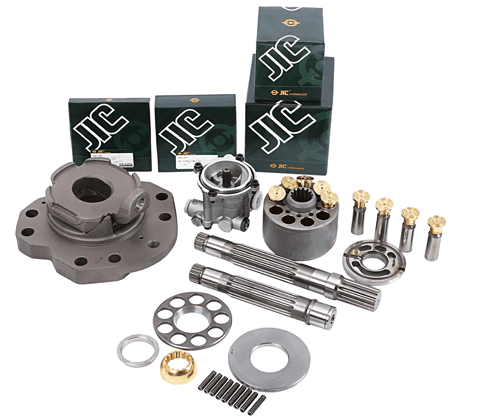
A rotary group is a high-value assembly of many parts working in mesh. When you buy hydraulic rotary groups, the warranty is usually tied to clean oil and filters, because a little dirt is enough to score the mirror surfaces. Seals are far cheaper but are the part most often blamed wrongly. A leaking seal can be the seal itself, or a scored shaft, or a pinch during fitting. So the warranty terms for these two are not the same, and you should ask about each separately.
Conditions that keep a warranty valid
A warranty only lives if you keep a few basics. First is proof of purchase, meaning an invoice or receipt with a date and the right item. Second is evidence that the part was installed and used correctly. Third is the item still carrying the seller identifying mark or seal. Miss one of the three and you have put yourself in a weak spot when a dispute comes.
What usually voids a warranty
A few causes come up again and again when owners lose their coverage. Worth memorizing:
- Dirty hydraulic oil or water in the oil, scoring and corroding surfaces.
- An overdue or wrongly fitted filter, letting particles run straight into the pump.
- Wrong installation force, wrong order, or tools that damage the seal during fitting.
- Prolonged overload or letting the machine overheat.
- Stripping the assembly to fix it yourself before reporting, destroying the original evidence.
Each point leaves physical proof an inspector will see.
Why dirty oil is the number one enemy
In the hydraulic world, cleanliness is survival. The working surfaces inside a pump are very fine, and one small hard particle is enough to plow a groove. Once a groove appears, pressure leaks through it, the pump weakens, then it heats up. That is why nearly every warranty policy excludes damage from contamination. Keeping oil clean protects both the warranty and the pump itself. An oil sample taken properly when trouble hits says a great deal, and sometimes it is the evidence that defends you rather than condemns you.
Bad installation and what it does to a warranty
Plenty of seals die during fitting and no one notices. A sharp edge on the shaft, an off-center drive, or the wrong grease can kill a seal in its first hour. Then the leak is not a product fault, it is a workmanship fault. A seller who knows how to read pinch and twist marks on a seal will decline the claim, rightly. Careful fitting is the cheapest way to avoid paying twice.
Genuine versus aftermarket: how the warranty differs
Genuine parts usually come with a clear policy and a steady term, but a higher price. Good aftermarket parts still carry a warranty; the terms and length simply vary by source and by seller. What matters is not the label, but whether the person behind the promise is real. If you want to understand this difference more deeply, read the guide on genuine vs aftermarket parts before you decide.
When does the warranty period start?
This is an easy place to get confused. Some count from the sale date, some from the day it goes on the machine, some by machine hours. These give very different results if you buy a part and leave it in storage for a while. Ask about the start point at the moment of purchase, and write it down, so you never have to guess later. One short question at purchase avoids a long argument afterward.
Invoice, seal, and records to keep
Records are your strongest weapon when you need a warranty. Keep the original invoice, and photograph the seal and identifying number on the item before fitting. If you can, note the install date and the machine hours at that point. When everything is written down, the seller can hardly dodge, and you can prove you used it right.
The return process when a fault appears
When you suspect a faulty part, do not rush to tear it apart and fix it yourself. Stop the machine, keep things as they are, and tell the seller early. The seller usually wants to see the part and an oil sample to guess the cause. If you strip it all down and lose the evidence, you have erased the proof that would help you. Staying calm and doing things in the right order makes the claim move faster. Photographing the state of things, noting the time, and describing the symptoms before you remove anything is a good habit too.
Questions to ask the seller before buying
Before you pay, ask these straight: how long is the warranty and from what start point; what is covered and what is excluded; if the part is faulty, is it replaced or repaired; who pays for removal, refitting, and shipping. An honest seller answers briefly and does not dodge. If you are still unsure where to buy, see the guide on where to buy excavator parts to learn how to pick a place with trustworthy coverage.
A quick comparison of warranty terms
The table below sums up what to look at when comparing:
| Factor | What to check | Why it matters |
|---|---|---|
| Scope | Material and workmanship defects | Defines what gets covered |
| Exclusions | Contamination, overload, bad fitting | Where most disputes happen |
| Start point | From sale or from install | Directly affects your rights |
| Remedy | Replace or repair | Decides machine downtime |
| Extra cost | Who pays labor to remove and refit | Can exceed the part price |
Read all five rows and nothing will surprise you.
Signs a rotary group is failing
A hydraulic pump rarely dies suddenly; it warns you first. You may hear an odd high whine when you rev up, feel the machine go weak under heavy load, or see the oil heat up faster than usual. Sometimes the boom lifts slower even with enough throttle. When these signs show up together, check early so you do not drag the whole pump assembly down with it.
Signs a seal is wearing out
A failing seal usually shows through an oil trace around the rod or the shaft. You may see a thin film left after each stroke, or a damp patch under the machine after a night. When the boom settles slightly while standing still, the seal inside is likely weak. Replacing hydraulic seals at the right time is far cheaper than letting a leak ruin other parts.
Storage and installation to protect the warranty
Hydraulic parts need to stay clean and dry until they go on. Do not open a seal package too early, and do not let dust settle on the pump mouth. When fitting, use the right tools and clean every mating surface. Careful storage and installation both extend the life of the part and keep your warranty intact.
When to choose the assembly over single parts
Sometimes replacing the whole assembly makes more sense than patching one piece. If the pump has run many hours and several parts are worn together, single swaps only push the problem to next week. A new assembly usually comes with full coverage and is easier to claim on when trouble hits. If you are weighing options for a whole fleet, look at the heavy-equipment parts range to compare before you commit.
The role of manufacturer technical documents
When arguing over a cause of failure, the maker technical documents are an objective anchor. Service intervals, fitting steps, and operating limits are all written there. For example, the Kobelco guidance spells out clear requirements for oil cleanliness and filter change cycles. Leaning on the source document helps you and the seller speak the same language when judging a claim.
Should warranty be the only factor when buying?
Warranty matters, but it cannot replace the real quality of the part. A long warranty on paper means nothing if the seller vanishes when you need them. Weigh all three: the quality of the part, the reliability of the seller, and the warranty terms. When these three legs are solid, you can sit easy. Miss one leg and you will always pay the difference in time, money, or worry whenever the machine acts up.
Common mistakes when claiming a warranty
The most common mistake is reporting the fault too late, after the machine has run on and worsened the damage. The second is stripping and fixing it yourself before calling. The third is failing to keep the invoice or losing the seal. Avoid these three and you are already ahead of most warranty disputes.
Next steps for your machine
If you are about to replace a rotary group or a seal set, review the warranty terms for the exact part you need first. Choose a place that states the scope, the start point, and how faults are handled. You can start from the hydraulic rotary groups page to see the options and ask carefully about the warranty before ordering. Choosing right from the start is always cheaper than fixing it later.
Key takeaways
- Warranty covers material and workmanship defects, not wear or operating faults.
- Dirty oil is the most common reason owners lose hydraulic parts coverage.
- Keep the invoice, seal, and identifying number before fitting to protect your rights.
- Ask about the start point, scope, and remedy before you pay.
- Do not strip and fix the part before reporting, or you erase helpful evidence.
- Weigh all three: part quality, seller reliability, and warranty terms.
Written by
Hoàng Anh Dũng
Hoàng Anh Dũng tracks sourcing, pricing and brands for heavy-equipment parts. He writes about what drives price, buying smart and telling apart part origins and quality.
Related parts
The exact parts discussed above — send your machine model or pump code to match.
Related products
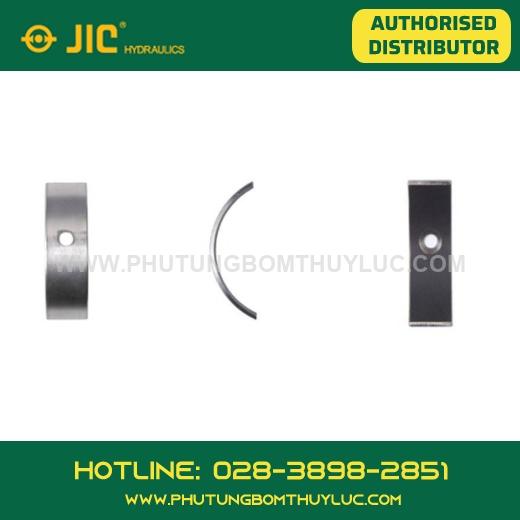 Kayaba (KYB) · PSVBushing – Kayaba PSVD2-17PSVD2On requestView · get a quote
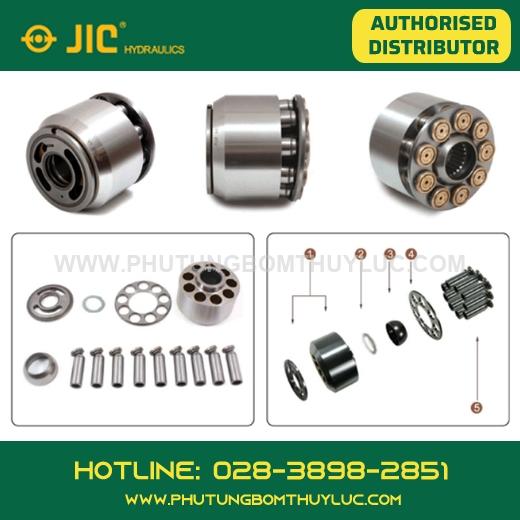 Kayaba (KYB) · PSVRotary group – Kayaba PSV2-55TPSV2On requestView · get a quote
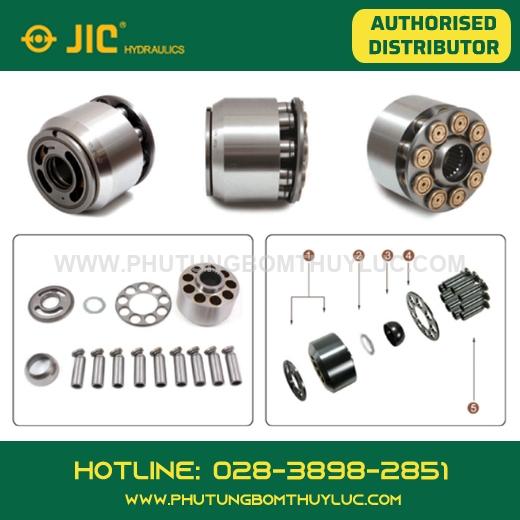 Kayaba (KYB) · PSVRotary group – Kayaba PSV2-60TPSV2On requestView · get a quote
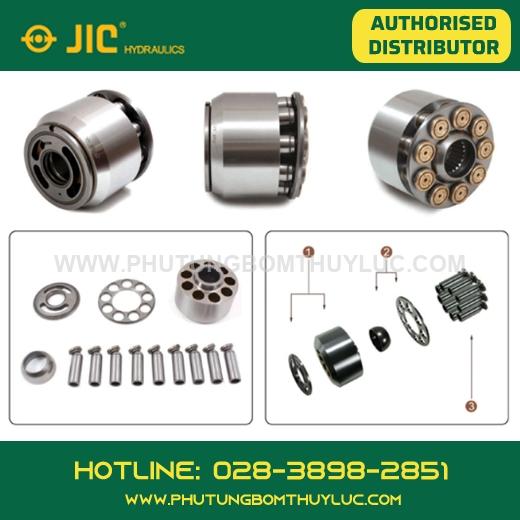 Kayaba (KYB) · PSVRotary group – Kayaba PSV2-63TPSV2On requestView · get a quote